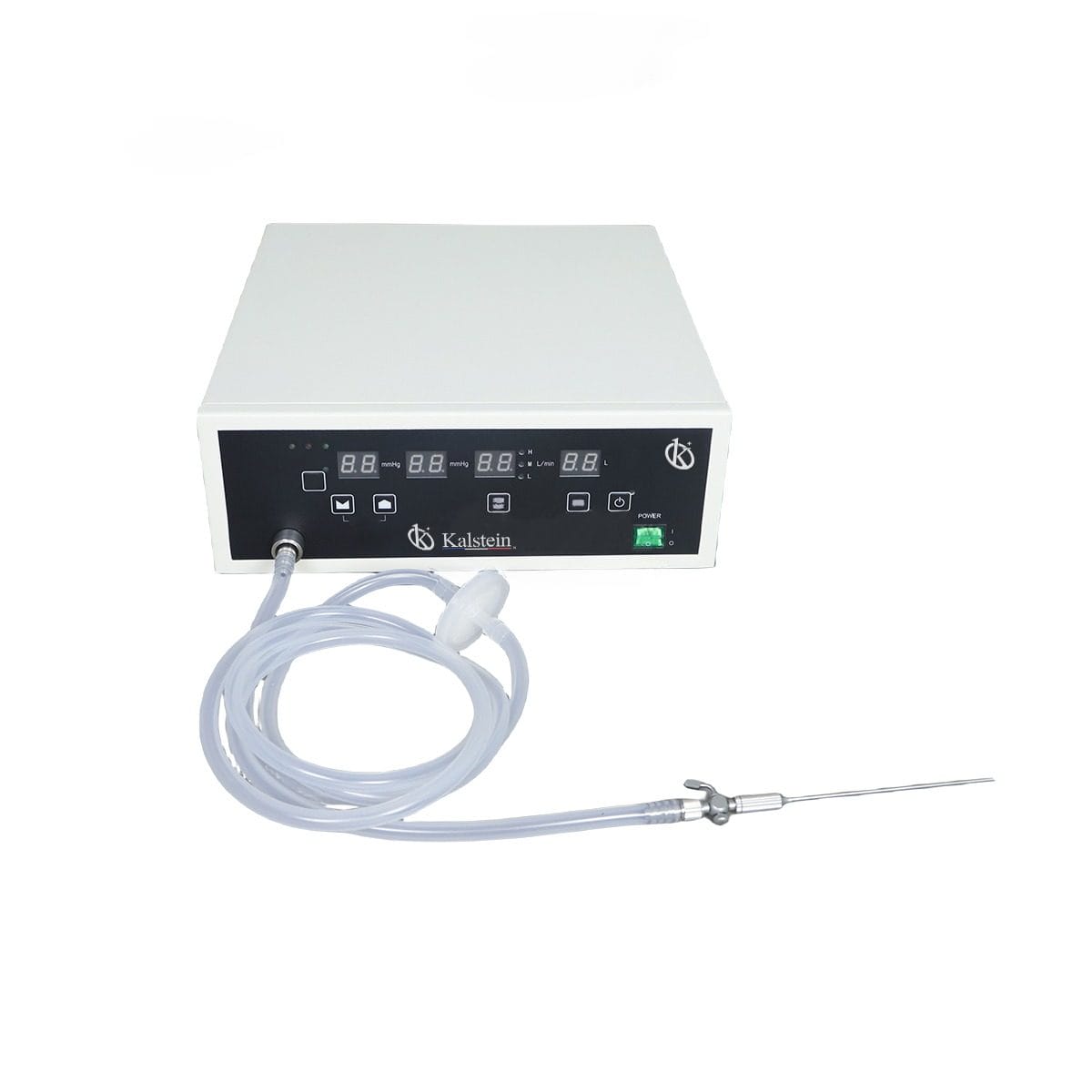
Veterinary Laparoscopy System: Best Techniques and Protocols 2026
The Veterinary Laparoscopy System offers innovative solutions for minimally invasive surgical procedures in animals. In 2026, the application of this technology is crucial for veterinary professionals aiming to enhance surgical outcomes while minimizing recovery time. This article delves into its uses, historical context, step-by-step usage, techniques, applications, and model comparisons.
What is it used for in 2026
In 2026, Veterinary Laparoscopy Systems are predominantly used for performing minimally invasive surgeries on animals. These systems help in diagnosis and treatment of various conditions, including:
- Abdominal surgeries such as spays and neuters.
- Exploratory surgeries to investigate abdominal pain or trauma.
- Biopsies to ascertain potential diseases.
- Other applications in soft tissue and orthopedic surgeries.
By utilizing laparoscopic techniques, veterinarians can reduce the trauma associated with traditional surgical approaches, leading to quicker recovery times and less postoperative pain.
History and evolution of the technology
The concept of laparoscopy dates back to the late 19th century, but its application in veterinary medicine gained momentum in the late 20th century. Initially, these procedures were rudimentary, focusing on exploratory surgery. However, advancements in technology have led to the development of sophisticated systems that provide high-definition imaging, enhanced lighting, and advanced insufflation capabilities.
The integration of digital technology and miniaturized instruments has transformed the field, enabling precise operations and improved safety for patients. The introduction of various models like the Veterinary CO2 Insufflator YR06157 and YR06158, along with the Mobile High-Definition Endoscopic Imaging System YR06156, reflects this evolution.
How to use it step by step
Using a Veterinary Laparoscopy System involves several key steps:
- Preparation: Ensure the animal is properly anesthetized and positioned. Prepare the surgical site by cleaning and draping.
- Insufflation: Use the CO2 insufflator to introduce gas into the abdominal cavity. Set the flow rate according to the procedure requirements.
- Insertion of instruments: Insert the laparoscope through a small incision. Use other instruments through additional ports as necessary.
- Visualization: Utilize the endoscopic imaging system to visualize the internal structures. Adjust lighting and camera angles as required.
- Procedure Execution: Perform the necessary surgical tasks, such as biopsies or organ manipulations.
- Completion: Carefully remove instruments and deflate the abdomen before closing the incisions.
Best techniques and protocols
To achieve the best outcomes when using Veterinary Laparoscopy Systems, follow these protocols:
- Ensure optimal CO2 levels to maintain visibility and working space.
- Utilize high-definition imaging systems for enhanced clarity and detail.
- Follow sterile techniques to prevent infections.
- Regularly check equipment functionality and calibration before surgeries.
These practices contribute to improved safety and efficiency in surgical procedures.
Practical applications by laboratory type
Veterinary Laparoscopy Systems are applied across various types of veterinary practices:
- Animal Hospitals: For routine surgeries and emergency procedures.
- Research Facilities: In studies involving surgical methods and outcomes.
- Specialty Clinics: Focusing on advanced surgical techniques and rehabilitation.
The versatility of these systems enhances their adoption in diverse veterinary fields.
Regulations, standards and certifications
Compliance with regulations and standards is essential for operating Veterinary Laparoscopy Systems. Key aspects include:
- Adherence to the American Veterinary Medical Association (AVMA) guidelines.
- Certification of equipment from recognized bodies to ensure safety and efficacy.
- Regular training for veterinary professionals to keep abreast of technological advancements and techniques.
Comparison with alternative technologies
While traditional surgical methods remain in use, Veterinary Laparoscopy Systems offer several advantages:
- Less invasive procedures result in reduced recovery times.
- Minimized scarring as smaller incisions are used.
- Improved visualization of internal structures compared to open surgery.
In summary, the benefits of laparoscopic techniques often outweigh those of conventional methods, making them a preferred choice in modern veterinary medicine.
Comparison of available models
| Model | Best for | Key specs | Recommended use case |
|---|---|---|---|
| YR06157 | Insufflation for small animals | Flow rate: 4L/min, 6L/min, 10L/min; Pressure: 0.67kPa~3.30kPa | Routine laparoscopic surgeries in small pets |
| YR06156 | High-definition imaging | Illumination: ≥700.000Lux; Resolution: 1920*1080 | Performing detailed surgery visualization |
| YR06158 | High-flow insufflation | Flow rate: 2L/min-40L/min; Long lifespan | Complex laparoscopic procedures requiring high gas flow |
Common mistakes and how to avoid them
Some common mistakes include:
- Incorrect insufflation settings leading to inadequate visibility. Always double-check flow rates before surgery.
- Failure to maintain sterilization protocols, which can lead to infections. Strict adherence to sterile techniques is essential.
- Poor positioning of instruments resulting in complications. Ensure proper training when using laparoscopic tools.
Awareness and training can significantly reduce these errors, leading to safer surgeries.
Maintenance, calibration and good practices 2026
Regular maintenance of Veterinary Laparoscopy Systems is crucial for optimal performance:
- Calibrate insufflators and imaging systems periodically to ensure accuracy.
- Conduct routine checks for wear and tear on instruments and replace as necessary.
- Keep software updated for high-definition systems to benefit from the latest features.
These practices guarantee reliable functionality and longevity of the equipment.
Cost-benefit analysis 2026
Investing in Veterinary Laparoscopy Systems yields significant benefits:
- Reduced recovery time translates to lower hospitalization costs.
- Increased surgical precision leads to better patient outcomes and fewer complications.
- Enhanced efficiency may allow for more surgeries within the same timeframe, increasing revenue.
The long-term advantages often outweigh initial costs, making these systems a smart investment for veterinary practices.
Frequently asked questions
What are the key considerations when choosing a Veterinary Laparoscopy System?
When selecting a system, consider factors such as the type of procedures performed, required imaging quality, and the specific needs of the patient population. Assess compatibility with existing equipment and ensure the model meets your practice's operational demands.
How can I ensure the safety of my patients during laparoscopic procedures?
Utilize proper anesthesia protocols, maintain a sterile environment, and carefully monitor the patient throughout the procedure. Training and adherence to best practices are also critical in ensuring patient safety.
What maintenance practices are recommended for laparoscopic equipment?
Regularly inspect and clean all instruments, calibrate insufflators and imaging systems, and ensure software updates are performed. Follow manufacturer guidelines for specific maintenance schedules.
Can I use the same equipment for different types of surgeries?
Yes, Veterinary Laparoscopy Systems are versatile and can be used for a variety of procedures, including soft tissue and orthopedic surgeries, as long as the appropriate settings and instruments are utilized for each specific surgery.
What advancements should I look for in the next generation of laparoscopic systems?
Future advancements may include improved imaging technologies, greater automation in insufflation, and enhanced connectivity features for better data management. Keeping abreast of industry trends is important for staying competitive.
How does the learning curve for laparoscopic surgery compare to traditional methods?
While the initial learning curve for laparoscopic techniques may be steeper, the advantages in terms of reduced recovery time and complications often justify this investment in training. Continued education and practice will enhance proficiency.
What is the typical lifespan of a Veterinary Laparoscopy System?
The lifespan can vary based on usage and maintenance, but with proper care, these systems can last several years. Regular servicing and careful handling can extend their operational life significantly.
If you are looking for a fusion of innovation and quality, you have come to the right place. At Kalstein, we offer you the luxury of exploring our exclusive catalog of laboratory equipment. We manufacture every device to the highest standards of excellence. Our intuitive and seamless online purchasing channels are designed for your convenience, securing the most competitive prices. Hesitate no longer — we bring science to life, it is time to become part of our community.