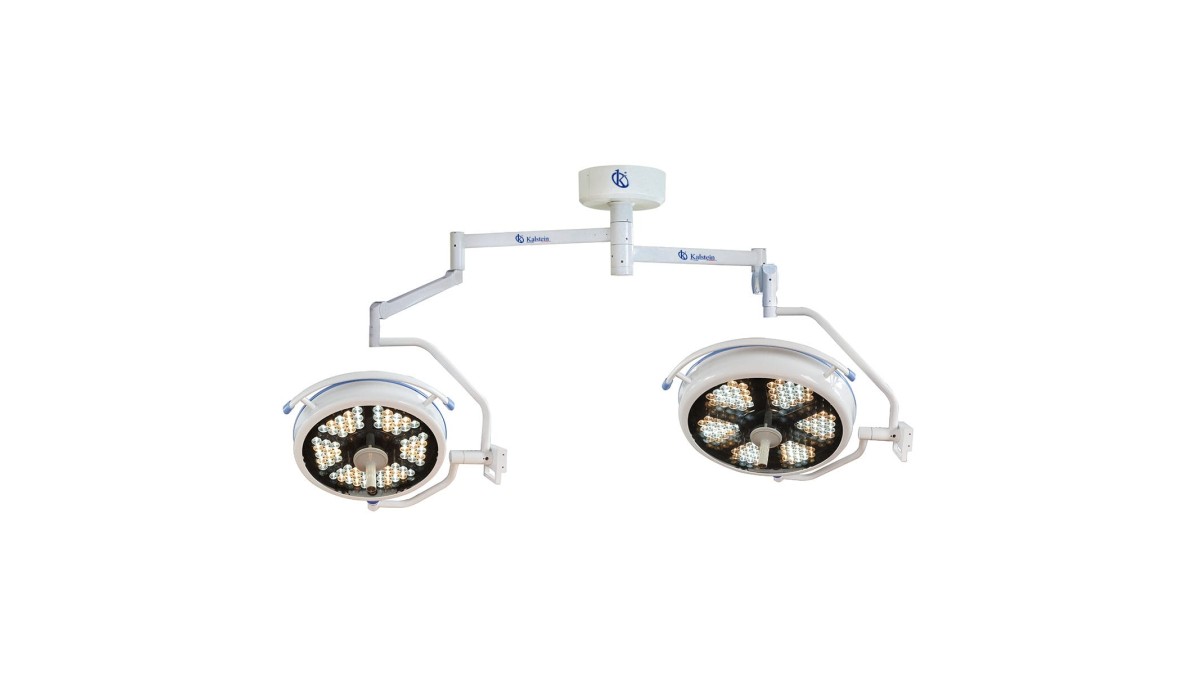
Veterinary Operating Lamps: Practical Guide for Use in 2026
Veterinary operating lamps are critical in ensuring optimal lighting during surgical procedures. As technology advances in 2026, understanding how to effectively utilize these lamps becomes paramount for veterinary professionals. This guide provides a comprehensive overview of their applications, best practices, and workflows.
What is it used for in 2026
In 2026, veterinary operating lamps serve a vital role in enhancing visibility during surgical procedures. These lamps provide shadow-free illumination, essential for complex surgeries, enabling veterinarians to perform intricate procedures with precision. They are designed to meet the specific lighting needs of surgical environments, reducing eye strain and ensuring accurate color rendition.
History and evolution of the technology
The evolution of surgical lighting has undergone significant transformations since its inception. Early surgical lamps relied on incandescent bulbs, which generated excessive heat and shadows, leading to suboptimal working conditions. The introduction of LED technology revolutionized this field, providing cooler, more efficient lighting with greater longevity. Over the years, advancements in optical design have also improved light distribution, enhancing the surgical experience for both the veterinarian and the patient.
How to use it step by step
To ensure optimal use of veterinary operating lamps, follow these steps:
- Assessment of the Surgery Area: Before the procedure, evaluate the surgical area to determine the best lamp positioning for maximum illumination without obstructing the veterinary team's movement.
- Setup: Install the lamp according to manufacturer guidelines, ensuring stability and accessibility. Adjust the height and angle to meet the surgical team's requirements.
- Power Up: Turn on the lamp and adjust brightness settings according to the surgical needs, taking care to provide adequate illumination without causing glare.
- Monitor Light Quality: Throughout the procedure, periodically assess the light quality, making adjustments as needed to maintain optimal visibility.
- Post-Procedure Care: After the surgery, turn off the lamp and perform any required maintenance as per the manufacturer's instructions.
Best techniques and protocols
Utilizing veterinary operating lamps effectively requires adherence to best techniques and protocols:
- Position lamps to minimize shadows and maximize light coverage.
- Utilize adjustable features to tailor light intensity and color to specific surgical needs.
- Regularly clean the lamp's surfaces to prevent dust accumulation, ensuring consistent light quality.
- Conduct routine checks on the lamp's functionality as part of preventive maintenance.
Practical applications by laboratory type
Veterinary operating lamps find applications across various laboratory environments, including:
- Surgeries: Essential for various surgical procedures, providing necessary illumination in sterile environments.
- Research: Used in laboratories for research involving animal models, allowing for detailed observation and intervention.
- Diagnostics: Aid in procedures requiring precision lighting, such as biopsies or dermatological examinations.
Regulations, standards and certifications
Veterinary operating lamps must comply with various regulations and standards to ensure safety and effectiveness. Key certifications include:
- ISO 13485 for medical devices.
- IEC 60601-1 for electrical safety.
- CE marking for compliance with European health, safety, and environmental protection standards.
Comparison with alternative technologies
When compared with alternative technologies like halogen lamps, LED veterinary operating lamps offer several advantages:
- Energy Efficiency: LED lamps consume significantly less power than halogen counterparts.
- Longevity: LEDs have a longer lifespan, reducing replacement frequency and overall costs.
- Heat Emission: LEDs produce less heat, promoting a cooler working environment.
Comparison of available models
| Model | Best for | Key specs | Recommended use case |
|---|---|---|---|
| YR06115 | Complex surgeries | ≥160,000Lux, Depth ≥1300mm | Ideal for neurosurgery and thoracic surgery |
| YR06116 | General surgical procedures | 160,000Lux, 60,000 hours lifespan | Perfect for routine surgeries |
| YR06117 | Ceiling-mounted operations | 40,000~160,000Lux, Adjustable 3000~6700K | Best for space-efficient surgical rooms |
| YR06118 | Wall-mounted surgical settings | 40,000~160,000Lux, Adjustable 3000~6700K | Efficient use of wall space in surgical theaters |
| YR06119 | Minor procedures | ≥100,000Lux, Depth ≥600mm | Perfect for examinations and minor surgeries |
| YR06120 | Basic surgical needs | ≥50,000Lux, 30,000 hours lifespan | Ideal for low-budget clinics |
Common mistakes and how to avoid them
Veterinary professionals often encounter several common mistakes when using operating lamps:
- Improper positioning leading to shadows: Ensure appropriate mounting to eliminate shadow interference.
- Ignoring maintenance: Regular cleaning and checks prevent performance issues.
- Neglecting brightness adjustment: Adjust brightness according to the surgical procedure.
Maintenance, calibration and good practices 2026
To ensure longevity and optimal performance:
- Schedule regular inspections and calibration as per the manufacturer's guidelines.
- Keep the lamp clean and free from dust and debris.
- Replace bulbs according to usage and manufacturer recommendations.
Cost-benefit analysis 2026
When evaluating the cost-effectiveness of veterinary operating lamps, consider the following benefits:
- Lower energy costs due to LED technology.
- Minimized replacement costs due to extended bulb life.
- Enhanced surgical outcomes leading to better patient care and clinic reputation.
Frequently asked questions
What should I consider when choosing a veterinary operating lamp?
Consider factors such as light intensity, color temperature, ease of adjustment, and the lamp's energy efficiency to ensure optimal performance during surgical procedures.
How do I maintain my veterinary operating lamp?
Regularly clean the lamp, check for any functional issues, and follow the manufacturer's guidelines for maintenance and calibration to ensure consistent performance.
Can I use an operating lamp for non-surgical procedures?
Yes, veterinary operating lamps can also be used for diagnostics and examinations where precise lighting is essential for accurate assessments.
How often should I replace the bulbs in my operating lamp?
Bulbs should be replaced according to the manufacturer's recommendations, which typically depends on usage frequency and the type of bulbs used.
What are the benefits of LED over traditional lighting?
LEDs offer longer lifespan, lower energy consumption, and produce less heat, making them a superior choice for veterinary operating lamps.
If you are looking for a fusion of innovation and quality, you have come to the right place. At Kalstein, we offer you the luxury of exploring our exclusive catalog of laboratory equipment. We manufacture every device to the highest standards of excellence. Our intuitive and seamless online purchasing channels are designed for your convenience, securing the most competitive prices. Hesitate no longer — we bring science to life, it is time to become part of our community.