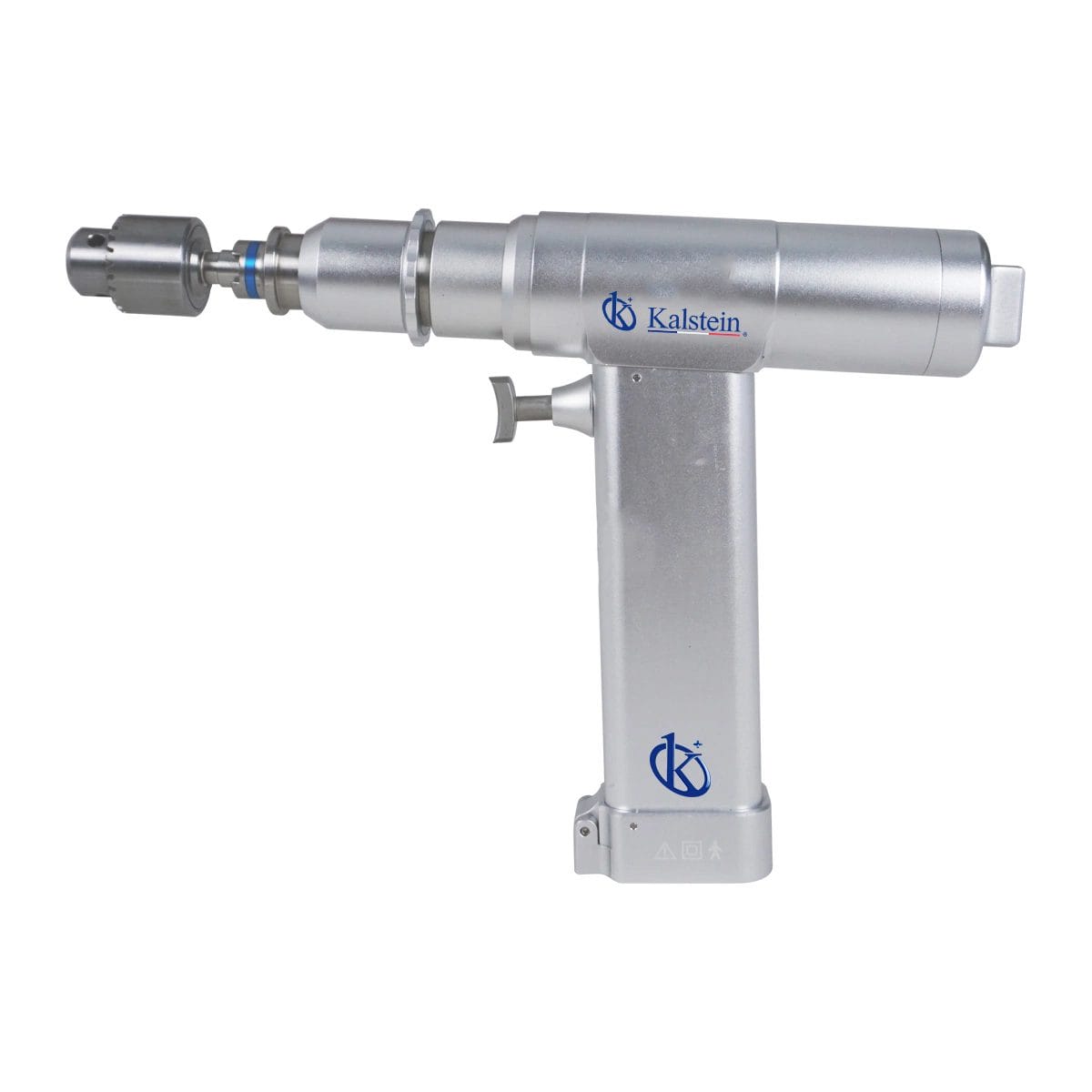
Veterinary Surgical Tools: Practical Applications and Techniques 2026
What is it used for in 2026
Veterinary surgical tools play a crucial role in various surgical procedures across clinical and hospital laboratories. These tools are designed to assist veterinarians in performing complex surgeries, ensuring precision, safety, and efficiency during operations. In 2026, veterinary surgical tools, including multifunctional devices, are utilized for a range of applications, including orthopedic surgeries, soft tissue surgeries, and emergency procedures. Their versatility allows for adaptation to different surgical needs, improving patient outcomes.
History and evolution of the technology
The history of veterinary surgical tools can be traced back centuries, with early instruments made from rudimentary materials. Over time, the evolution of surgical technology has led to the development of advanced tools designed for more specific applications. With the introduction of electric and multifunctional tools, veterinarians now have access to equipment that enhances their surgical capabilities, allowing for faster and more precise procedures. Today, these tools incorporate advanced materials and technologies, improving durability and performance for modern veterinary practices.
How to use it step by step
Using veterinary surgical tools effectively requires a structured approach. Here are steps to ensure proper usage:
- Preparation: Ensure all tools are sterile and ready for use. Review the surgical plan and gather all necessary equipment.
- Patient positioning: Secure the animal in the appropriate position for the procedure. Ensure that vital signs are monitored.
- Tool selection: Choose the appropriate surgical tool based on the procedure. For instance, use the Electric Multifunction Tool for complex orthopedic surgeries.
- Execution: Follow the surgical protocol. Use the tools as intended, ensuring to apply the correct technique.
- Postoperative care: After completing the surgery, ensure all tools are accounted for and assist in the recovery process of the patient.
Best techniques and protocols
Employing best practices during surgeries is essential for successful outcomes. Techniques such as proper suturing, effective use of hemostatic tools, and minimizing tissue trauma should be prioritized. Protocols should involve thorough planning, adherence to aseptic techniques, and continuous monitoring of the patient throughout the procedure. Regular training and updates on new surgical techniques are also recommended to keep the surgical team skilled and informed.
Practical applications by laboratory type
Different types of laboratories may utilize veterinary surgical tools based on their specific needs:
- Clinical Laboratories: Focused on routine surgeries such as spays and neuters, these labs benefit from tools that facilitate quick and efficient procedures.
- Emergency Veterinary Hospitals: Require multifunctional tools that can be used across various types of emergency surgeries like trauma cases, making tools like the Micro/Mini Multifunctional Veterinary Tool particularly useful.
- Specialty Clinics: Often engage in advanced surgical procedures such as TPLO surgeries, necessitating specific tools designed for those procedures, such as the Veterinary TPLO Saw.
Regulations, standards and certifications
Compliance with regulations and standards is paramount in the use of veterinary surgical tools. Tools must meet safety and efficacy standards set by relevant veterinary medical boards and organizations. Certifications may include ISO standards for manufacturing quality and safety protocols that ensure equipment is suitable for surgical use. Regular audits and inspections can help laboratories maintain compliance and uphold high standards in veterinary care.
Comparison with alternative technologies
Alternative technologies, such as traditional manual instruments, exist alongside modern surgical tools. While manual tools may offer lower initial costs, they often lack the precision and ease of use associated with electric or multifunctional devices. The choice between these technologies often depends on the complexity of the procedure, desired outcomes, and available budget. For example, electric tools like the Electric Multifunction Tool can provide significant advantages in speed and accuracy for intricate surgeries.
Comparison of available models
| Model | Best for | Key specs | Recommended use case |
|---|---|---|---|
| YR06126 | Complex orthopedic and neurosurgeries | Output Power: ≥130W, Operating Voltage: 14.4V | Used for joint surgeries, trauma, and cardiac procedures. |
| YR06127 | Small animal procedures | Output Power: ≥50W, Operating Voltage: 7.2V | Ideal for routine surgeries in small animals. |
| YR06128 | TPLO surgeries | Operating Voltage: 12V, Frequency: 0-16000 Hz | Specialized for stabilizing knee joints in dogs. |
Common mistakes and how to avoid them
Common mistakes made during the use of veterinary surgical tools include:
- Inadequate sterilization: Always ensure tools are properly sterilized to prevent infection.
- Poor selection of tools: Choose tools that are appropriate for the specific surgical procedure to enhance efficiency and reduce complications.
- Neglecting training: Regular training on the use of surgical tools is crucial. Keep up with the latest techniques and advancements.
Maintenance, calibration and good practices 2026
Proper maintenance and calibration of surgical tools are essential for ensuring their longevity and performance. Regularly inspect tools for wear and tear, and clean them after each use. Follow the manufacturer's guidelines for calibration to ensure accuracy and safety during procedures. Additionally, establish protocols for regular training sessions to keep the surgical team informed about best practices and advancements in surgical techniques.
Cost-benefit analysis 2026
Investing in veterinary surgical tools can yield significant benefits in terms of efficiency and surgical outcomes. While initial costs may be high, the improved accuracy and reduced procedure times can lead to better recovery rates and overall patient satisfaction. Analyzing costs versus benefits involves considering operational efficiency, patient outcomes, and long-term savings from reduced complications.
Frequently asked questions
What should I consider when choosing a veterinary surgical tool?
When selecting a veterinary surgical tool, consider the type of procedures you will perform, the size of the animals involved, and the specific functionalities required for your practice. Additionally, look for tools that offer ergonomic designs and ease of use.
How can I ensure the tools are sterile before use?
To ensure tools are sterile, utilize autoclaving methods and follow proper sterilization protocols. Always inspect tools for cleanliness and integrity before each surgical procedure.
What are the benefits of using multifunctional surgical tools?
Multifunctional surgical tools offer versatility and convenience, allowing veterinarians to perform various types of surgeries with one device. This reduces the need for multiple instruments and can lead to time savings during surgical procedures.
How often should I calibrate my surgical tools?
Calibration of surgical tools should be performed regularly, ideally after every use or on a scheduled basis as recommended by the manufacturer. Regular calibration ensures accuracy and reliability in surgical outcomes.
What is the importance of training in using surgical tools?
Training is essential to familiarize the surgical team with the tools, ensuring they understand their functionalities and applications. Proper training enhances surgical outcomes and minimizes the risk of complications.
Can I use the same tools for different types of surgeries?
While some tools can be versatile, it is crucial to select the appropriate tools for specific surgeries to ensure effectiveness and minimize risks. Always refer to the manufacturer's guidelines for best practices.
If you are looking for a fusion of innovation and quality, you have come to the right place. At Kalstein, we offer you the luxury of exploring our exclusive catalog of laboratory equipment. We manufacture every device to the highest standards of excellence. Our intuitive and seamless online purchasing channels are designed for your convenience, securing the most competitive prices. Hesitate no longer — we bring science to life, it is time to become part of our community.