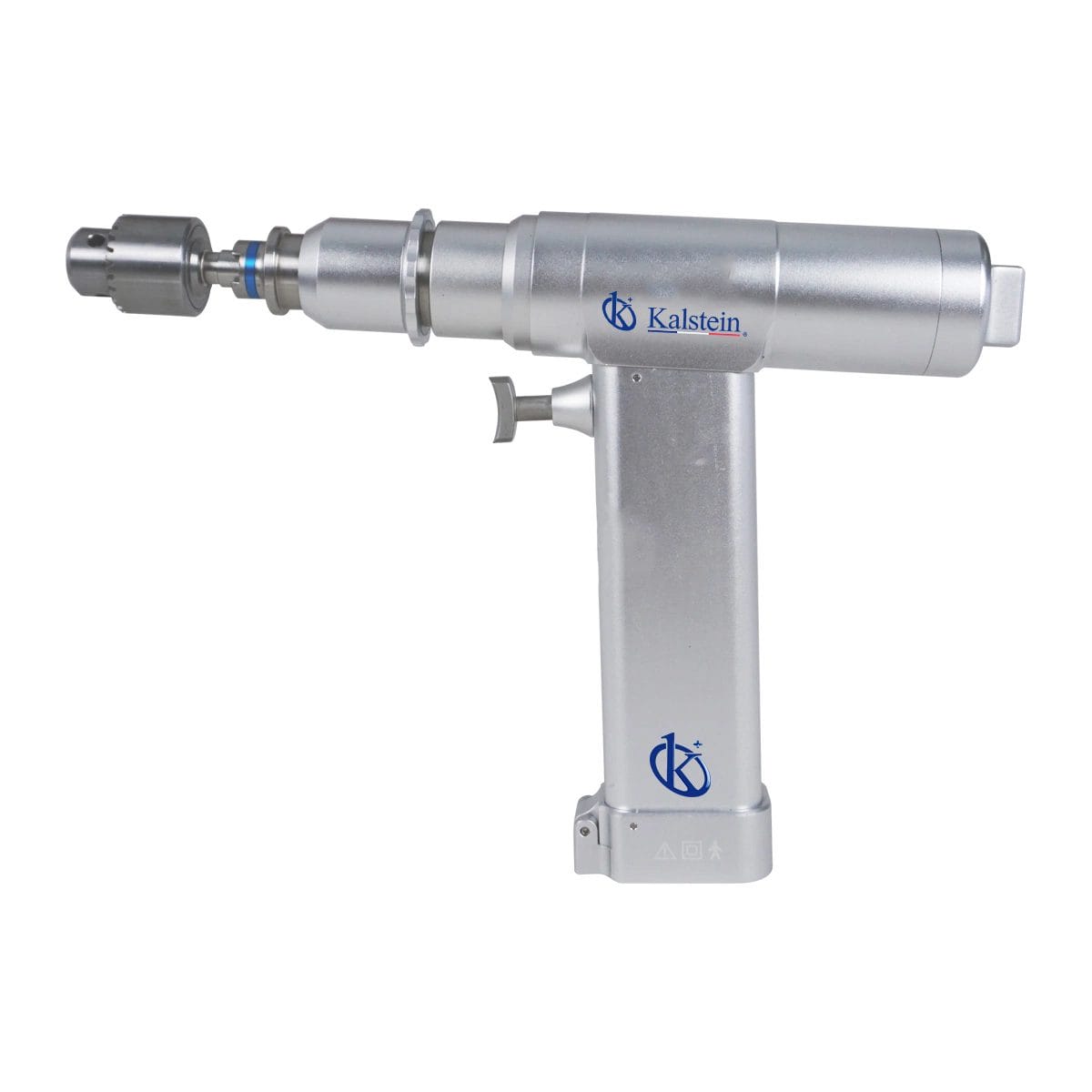
Veterinary Surgical Tools: Predictive Maintenance and Recommended Calibration 2026
In the realm of veterinary surgery, the efficiency and reliability of surgical tools are paramount. As veterinary surgical tools evolve, the emphasis on predictive maintenance and recommended calibration is increasingly critical. This article explores the importance of these practices in enhancing the performance and longevity of various surgical tools, including the Electric Multifunction Tool for Veterinary Surgery YR06126, the Micro/Mini Multifunctional Veterinary Tool for Small Animals YR06127, and the Veterinary TPLO Saw YR06128.
Importance of Predictive Maintenance in Veterinary Surgical Tools
Predictive maintenance refers to the proactive approach of monitoring equipment conditions to prevent unexpected failures. In veterinary surgical environments, unplanned downtime can lead to delays in procedures and potential harm to patients. By implementing predictive maintenance strategies, veterinary professionals can ensure that tools such as the YR06126 and YR06127 are functioning at optimal levels, preventing costly repairs and improving operational efficiency.
Recommended Calibration Practices for Surgical Tools
Calibration is vital for ensuring the accuracy and reliability of surgical tools. For instance, the YR06128, designed specifically for TPLO procedures, requires regular calibration to maintain its precision during surgeries. Establishing a regular calibration schedule not only adheres to industry standards but also ensures that the tools deliver consistent performance, which is especially crucial during intricate surgical procedures.
Factors Influencing Maintenance and Calibration Intervals
The frequency of maintenance and calibration can be influenced by various factors including usage intensity, environmental conditions, and specific manufacturer recommendations. For example, the YR06126, with its multiple functions, may require more frequent checks due to its extensive use across various surgical applications, compared to the YR06127, which is tailored for specific small animal surgeries.
Integrating Technology into Maintenance Practices
Modern veterinary practices are increasingly implementing technology to streamline maintenance and calibration processes. Utilizing software solutions for tracking service records and scheduling maintenance can significantly reduce the likelihood of oversight. This is particularly important for models like the YR06128, which need precise calibration to ensure seamless integration during surgeries.
Common Calibration Standards in Veterinary Surgery
Adhering to common calibration standards such as ISO/IEC 17025 is essential for veterinary surgical tools. These standards ensure that tools are tested and calibrated under stringent conditions, ensuring their reliability. For practitioners using tools like the YR06126, knowing the applicable standards can enhance their operational protocols and bolster their compliance with veterinary regulations.
Comparison of Available Models
| Model | Output Power (W) | Battery Voltage (V) | Charging Time (Hours) | Price (USD) |
|---|---|---|---|---|
| YR06126 | ≥130W | 14.4V | 2 | 3100.00 |
| YR06127 | ≥50W | 7.2V | 2+ | 1300.00 |
| YR06128 | N/A | 9.6V~14.4V | 2 | 1200.00 |
Common Mistakes and How to Avoid Them
Avoiding common pitfalls can significantly enhance the effectiveness of maintenance and calibration practices. One common mistake is neglecting to follow the manufacturer's recommendations for maintenance schedules. For instance, failing to regularly check the calibration of the YR06127 can lead to inaccurate surgical performance. Additionally, not documenting maintenance activities can result in missed opportunities for predictive maintenance, leading to unexpected failures.
Frequently Asked Questions
How often should the YR06126 be calibrated for optimal performance in 2026?
The YR06126 should ideally be calibrated every six months to ensure optimal performance. Regular calibration helps maintain its output power of ≥130W, promoting accuracy during surgeries.
What are the benefits of predictive maintenance for the YR06127 in veterinary surgeries?
Implementing predictive maintenance for the YR06127 can enhance its reliability and prevent unexpected failures, ensuring that it operates efficiently during surgeries, especially for small animals.
What calibration standards apply to the Veterinary TPLO Saw YR06128?
The YR06128 must comply with ISO/IEC 17025 standards for calibration, ensuring its measurements during TPLO surgeries remain accurate and reliable, crucial for surgical success.
How does the battery life of the YR06127 affect its use in surgeries?
The YR06127's battery life, typically over two hours per charge, affects its usability in surgeries by ensuring that it can handle multiple procedures without the need for constant recharging, enhancing operational efficiency.
What factors influence the maintenance frequency of the Electric Multifunction Tool YR06126?
Factors such as usage frequency, the complexity of surgeries, and environmental conditions dictate the maintenance frequency of the YR06126, necessitating regular checks to prevent malfunctions.
Why is documentation important in the maintenance of veterinary surgical tools?
Documentation of maintenance activities for tools like the YR06128 helps track performance issues, ensuring timely calibration and repairs, thus extending the tool's lifespan and efficiency.
What role does technology play in the calibration of surgical instruments?
Technology aids in monitoring and scheduling calibration for surgical instruments, such as the YR06127, leading to reduced downtime and ensuring accurate performance during critical surgeries.
How does predictive maintenance support compliance with veterinary regulations?
Predictive maintenance supports compliance by ensuring that tools like the YR06126 meet operational standards, thus preventing non-compliance penalties and enhancing overall surgical quality.
For those interested in optimizing their veterinary surgical tools through predictive maintenance and recommended calibration, requesting a quote on Kalstein Plus is a great starting point.
If you are looking for a fusion of innovation and quality, you have come to the right place. At Kalstein, we offer you the luxury of exploring our exclusive catalog of laboratory equipment. We manufacture every device to the highest standards of excellence. Our intuitive and seamless online purchasing channels are designed for your convenience, securing the most competitive prices. Hesitate no longer — we bring science to life, it is time to become part of our community.