Water Baths: Practical Applications and Techniques 2026
What is it used for in 2026
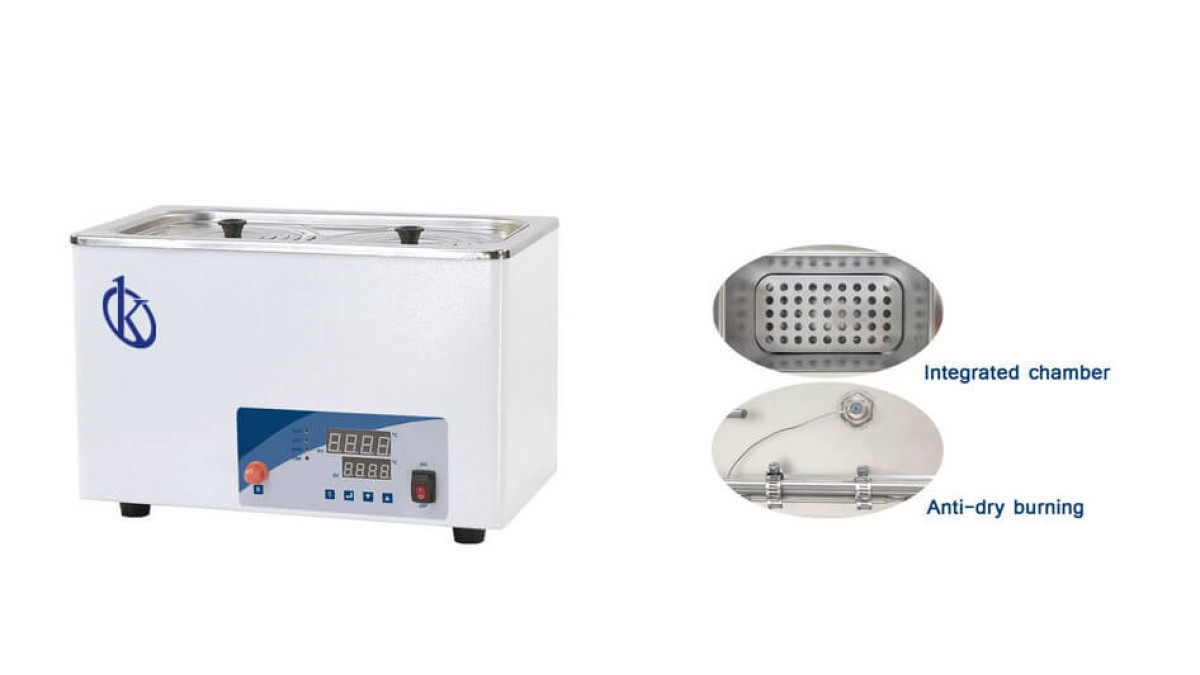
In 2026, water baths are crucial in laboratory environments, providing controlled temperature settings for various applications. They are widely utilized in clinical and hospital laboratories for heating, thawing, and incubating samples and reagents. Water baths ensure uniform temperature distribution, which is essential for biochemical reactions, microbial cultures, and controlled experiments. Laboratory professionals rely on these devices to maintain precise conditions that support accurate results in various fields including biochemistry, microbiology, and molecular biology.
History and evolution of the technology
The water bath has evolved significantly since its inception. Initially, simple containers of heated water were used to maintain temperature for various experiments. Over the decades, as laboratory needs became more sophisticated, so did the design and functionalities of water baths. Modern water baths now feature advanced controls, digital displays, and safety features such as over-temperature alarms and PID control systems. These technological advancements increase precision and reliability, making them indispensable in contemporary laboratories.
How to use it step by step
Using a water bath involves the following steps:
- Preparation: Ensure the water bath is clean and free from contaminants. Fill the bath with distilled water to the recommended level.
- Temperature Setting: Turn on the water bath and set the desired temperature using the digital controller. Allow the bath to reach the set point before placing any samples inside.
- Sample Placement: Use racks or containers to place samples in the water bath, ensuring they are fully submerged for uniform heating.
- Monitoring: Monitor the temperature regularly during the process, adjusting if necessary to maintain the set conditions.
- Completion: Once the desired temperature and time have been achieved, remove samples carefully and turn off the water bath.
- Cleaning: After use, clean the water bath to prevent contamination for future experiments.
Best techniques and protocols
For effective use of water baths, it is essential to follow best practices and protocols:
- Calibration: Regularly calibrate the temperature control to ensure accuracy.
- Use of Thermometers: Employ high-quality thermometers to verify the water bath's temperature independently.
- Sample Management: Label samples clearly to avoid mix-ups and ensure proper handling during incubations.
- Safety Precautions: Always use protective gear such as gloves when handling hot samples or equipment.
Practical applications by laboratory type
Water baths serve various applications across different types of laboratories:
- Clinical Laboratories: Used for sample thawing, enzyme reactions, and maintaining incubation temperatures for cultures.
- Research Laboratories: Serve as controlled environments for conducting experiments in biochemistry and molecular biology.
- Educational Institutions: Used in teaching labs for demonstrating concepts involving temperature effects on reactions.
Regulations, standards and certifications
Laboratories must adhere to specific regulations and standards when using water baths. Compliance with ISO standards, as well as local health and safety regulations, is essential. Calibration and maintenance logs should be kept to ensure operational integrity and compliance with Good Laboratory Practices (GLP).
Comparison with alternative technologies
Water baths are often compared to alternative technologies like dry baths and incubators. While dry baths are portable and compact, they may not provide the same level of temperature uniformity for larger volumes as water baths. Incubators, on the other hand, offer additional control over humidity but can be more costly and require more maintenance. Water baths remain a versatile, cost-effective option for many laboratory applications.
Comparison of available models
| Model | Best for | Key specs | Recommended use case |
|---|---|---|---|
| YR05073 | General laboratory heating | PID control, 0-100°C, 300W | Heating samples in various laboratory settings |
| YR05074 | General laboratory heating | PID control, 0-100°C, 300W | Heating and thawing biological samples |
| YR030L | Biological sample agitation | RT-100°C, 0.1°C resolution | Agitating cultures in microbiological studies |
| YR05001 | Chemical reactor cooling | -35-200°C, cooling and heating capabilities | Maintaining temperature in chemical reactions |
| YR05002 | Chemical reactor cooling | -35-200°C, dual system setup | Efficient temperature control for larger reactors |
| YR05003 | Chemical reactor cooling | -35-200°C, advanced safety features | Ideal for sensitive chemical processes requiring precise temperature control |
Common mistakes and how to avoid them
Several common mistakes can undermine the efficacy of water baths:
- Overfilling: Avoid overfilling the water bath, as it can lead to spills and inaccurate temperature readings.
- Underestimating Temperature Fluctuations: Regularly check and adjust the temperature settings rather than assuming stability.
- Poor Sample Management: Clearly label all samples and avoid overcrowding to ensure even heating.
Maintenance, calibration and good practices 2026
To ensure longevity and accuracy, adhere to the following maintenance practices:
- Regular Cleaning: Clean the water bath after each use to prevent contamination.
- Calibration Schedule: Set a regular schedule for calibration to maintain temperature accuracy.
- Monitor Water Levels: Regularly check and refill water levels to ensure optimal performance.
Cost-benefit analysis 2026
While the initial investment in a water bath may seem substantial, the operational efficiency and accuracy it brings can lead to significant cost savings in the long term. The versatility of water baths allows them to fulfill multiple laboratory functions, reducing the need for multiple specialized equipment. This makes them a cost-effective solution for various laboratory needs.
Frequently asked questions
What is the best temperature range for using water baths?
The best temperature range for water baths typically varies based on the application; however, many models operate effectively between 0 to 100°C. It is crucial to check the specifications of the specific model you are using.
How often should I calibrate my water bath?
It is advisable to calibrate your water bath every 6 to 12 months, or more frequently if it is used intensively or if there are noticeable temperature discrepancies.
Can I use a water bath for samples that require precise temperature control?
Yes, water baths are suitable for samples requiring precise temperature control, especially models with PID controllers that offer accurate temperature maintenance.
What should I do if the water bath is not heating properly?
If the water bath is not heating properly, first check the power supply and ensure the settings are configured correctly. If issues persist, consider consulting the manual or a technician.
Is it safe to leave the water bath unattended?
It is generally not advisable to leave the water bath unattended for prolonged periods, especially at high temperatures, as it may pose a safety risk. Always monitor the device during operation.
How do I clean and maintain my water bath?
To clean your water bath, empty it, wipe down the surfaces with non-abrasive cleaners, and refill it with distilled water. Regular maintenance checks should also include inspecting cords and controls.
Where can I find high-quality water baths for my laboratory?
You can explore high-quality water baths from reputable manufacturers. Request a quote on Kalstein Plus to find the most suitable options for your laboratory.
If you are looking for a fusion of innovation and quality, you have come to the right place. At Kalstein, we offer you the luxury of exploring our exclusive catalog of laboratory equipment. We manufacture every device to the highest standards of excellence. Our intuitive and seamless online purchasing channels are designed for your convenience, securing the most competitive prices. Hesitate no longer — we bring science to life, it is time to become part of our community.