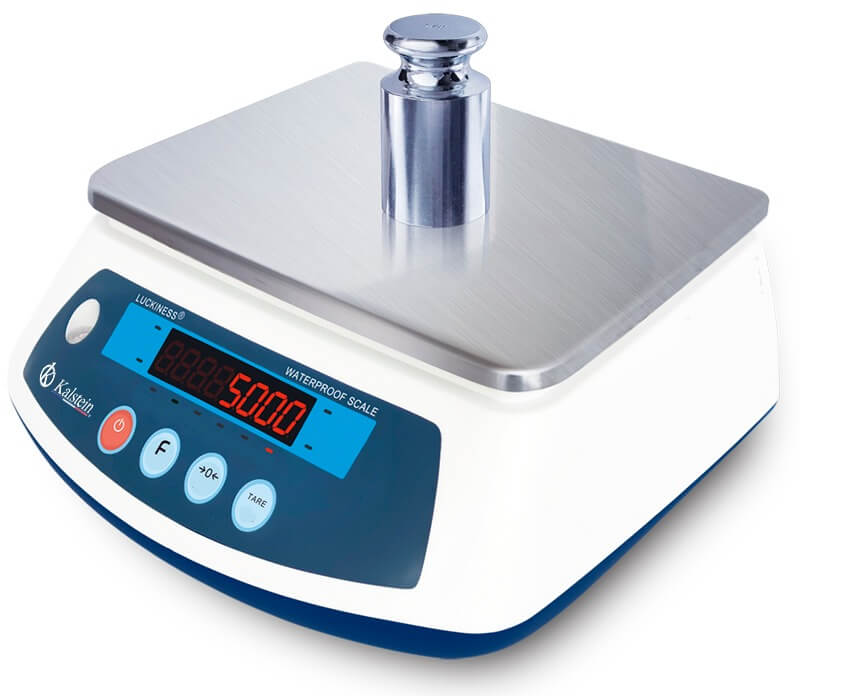
Waterproof Balances: Common Mistakes and How to Avoid Them in Daily Operations 2026
Waterproof balances are vital tools in many laboratory environments, known for their durability and precision, particularly in wet or hazardous settings. In this article, we will delve into the applications, techniques, and common pitfalls associated with the use of waterproof balances in 2026.
What is it used for in 2026
Waterproof balances are primarily used in laboratories that deal with wet samples, chemicals, or any environment where moisture can damage equipment. They are essential in sectors such as pharmaceuticals, food production, and biological research, where accurate weight measurements are crucial for compliance and quality control.
History and evolution of the technology
The evolution of waterproof balances began as laboratory environments became more demanding. Early weighing scales were susceptible to environmental factors. With advancements in technology, modern waterproof balances have been designed with enhanced durability and accuracy, incorporating features such as IP68 certification, which ensures resilience against water ingress.
How to use it step by step
Using waterproof balances effectively involves several steps:
- Preparation: Ensure that the balance is clean and dry before use.
- Power On: Turn on the device and allow it to warm up for a few minutes.
- Tare the Balance: Place an empty container on the balance and press the tare button to zero the scale.
- Add Sample: Carefully add your sample to the container without spilling.
- Read the Measurement: Record the weight displayed on the balance.
- Power Off: Switch off the balance after use and clean it if needed.
Best techniques and protocols
To ensure accurate measurements with waterproof balances, adhere to the following protocols:
- Maintain a stable environment, avoiding drafts and vibrations.
- Regularly calibrate the balance according to the manufacturer's specifications.
- Use appropriate containers that do not interfere with the measurement.
- Keep the balance surface clean and avoid cross-contamination of samples.
Practical applications by laboratory type
Waterproof balances find varied applications across different laboratory types:
- Pharmaceutical Laboratories: For weighing active ingredients in formulations.
- Food Safety Laboratories: Weighing ingredients and samples for quality control.
- Educational Institutions: Demonstrating fundamental principles of mass measurement in wet environments.
- Research Laboratories: Handling samples requiring high precision in a controlled environment.
Regulations, standards and certifications
Waterproof balances must comply with various regulations and certifications to ensure safety and accuracy. Key certifications include IP68 for water resistance, CE marking for safety standards, and RoHS for hazardous materials compliance. Regular audits and calibration checks are required to meet laboratory standards.
Comparison with alternative technologies
Comparing waterproof balances with other technologies, such as traditional balances and analytical balances, highlights their advantages:
- Traditional Balances: Less resistant to moisture and environmental factors.
- Analytical Balances: Offer higher precision but are not suitable for wet environments.
Comparison of available models
| Model | Best for | Key specs | Recommended use case |
|---|---|---|---|
| YR05623 | General laboratory use | 3 kg/0.1 g, IP68 | Ideal for weighing samples that may spill or wet substances. |
| YR05624 | Sample weighing | 3 kg/0.5 g, IP68 | Great for weighing heavier liquids in a laboratory setting. |
| YR05625 | Research applications | 6 kg/1 g, IP68 | Best for research in biological labs that handle wet samples. |
| YR05626 | Food industry | 7.5 kg/1 g, IP68 | Useful in food safety labs for weighing ingredients. |
| YR05627 | Pharmaceutical labs | 15 kg/5 g, IP68 | Recommended for active ingredient weighing in drug formulation. |
| YR05628 | General use | 30 kg/5 g, IP68 | Suitable for various laboratory contexts requiring high capacity. |
Common mistakes and how to avoid them
Common mistakes when using waterproof balances include:
- Not Calibrating Regularly: Ensure calibration is performed as per schedule to maintain accuracy.
- Ignoring Environmental Conditions: Avoid placing the balance in areas with drafts or temperature fluctuations.
- Improper Sample Handling: Always use clean containers and avoid cross-contamination.
Maintenance, calibration and good practices 2026
Regular maintenance is crucial for optimal performance. Good practices include:
- Performing daily checks for cleanliness and function.
- Calibrating the balance at least once a month or before critical measurements.
- Documenting all maintenance and calibration activities in a logbook.
Cost-benefit analysis 2026
Investing in waterproof balances can yield significant benefits, including:
- Increased accuracy leading to better quality control.
- Reduced downtime due to equipment failure.
- Enhanced safety in handling wet samples.
Frequently asked questions
What are the key factors to consider when choosing a waterproof balance?
When selecting a waterproof balance, consider the maximum weight capacity, readability, environmental conditions for use, and specific applications in your laboratory.
How often should I calibrate a waterproof balance?
Calibration should be performed at least once a month, or more frequently if the balance is used extensively or in a critical application.
Can I use normal containers with waterproof balances?
It is recommended to use containers specifically designed for weighing to ensure accuracy and avoid cross-contamination.
What is the best way to maintain a waterproof balance?
Regular cleaning, proper storage, and routine calibration are essential for maintaining the functionality and accuracy of the balance.
Are waterproof balances suitable for pharmaceutical applications?
Yes, waterproof balances are ideal for pharmaceutical applications where moisture is present, ensuring accurate measurements of active ingredients.
What should I do if my waterproof balance is not reading accurately?
If the balance is not providing accurate readings, check for calibration, ensure no debris is on the weighing pan, and consult the user manual for troubleshooting steps.
If you are looking for a fusion of innovation and quality, you have come to the right place. At Kalstein, we offer you the luxury of exploring our exclusive catalog of laboratory equipment. We manufacture every device to the highest standards of excellence. Our intuitive and seamless online purchasing channels are designed for your convenience, securing the most competitive prices. Hesitate no longer — we bring science to life, it is time to become part of our community.