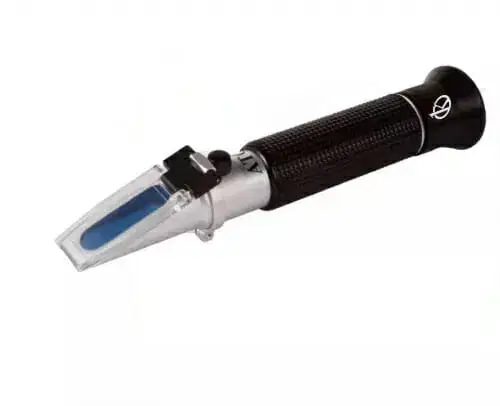
Wine Refractometers: Practical Applications and Techniques 2026
Wine refractometers are essential tools for laboratory professionals involved in the analysis of wine. These devices provide rapid and accurate measurements of sugar content and alcohol levels, making them invaluable in wine production, quality control, and research. As we move into 2026, understanding how to utilize these instruments effectively is crucial for optimal results.
What is it used for in 2026
In 2026, wine refractometers are primarily used for determining the sugar levels (Brix) and alcohol content in wine. They enable winemakers and laboratory professionals to monitor fermentation processes, assess grape ripeness, and maintain quality control during production. Their ability to provide instant readings makes them a favored choice for both small-scale producers and large wineries.
History and evolution of the technology
The refractometer has a rich history dating back to the early 19th century. Initially used in various scientific fields, it found its way into the wine industry as the need for precise measurements became apparent. Over the decades, advancements in optical technology and materials have led to the development of more accurate and user-friendly models. The introduction of automatic temperature compensation (ATC) has further enhanced their reliability, making them indispensable in modern laboratories.
How to use it step by step
Using a wine refractometer involves several straightforward steps:
- Preparation: Ensure the refractometer is clean and calibrated. Adjust it to the ambient temperature if necessary.
- Sample Collection: Obtain a small sample of the wine or grape juice you wish to analyze.
- Measurement: Place a few drops of the sample on the prism of the refractometer.
- Read the Results: Close the cover to spread the sample evenly and look through the eyepiece to read the Brix or alcohol level indicated on the scale.
- Record Data: Document the measurement for future reference and analysis.
Best techniques and protocols
To ensure accurate measurements, it is essential to follow best practices:
- Always calibrate the refractometer with distilled water before use.
- Use samples that are at the same temperature as the calibration standard.
- Clean the prism with a soft cloth after each use to avoid cross-contamination.
- Take multiple readings of the same sample for consistency and average them for accuracy.
Practical applications by laboratory type
Wine refractometers are utilized across various laboratory settings:
- Research Laboratories: Employed for studies involving fermentation processes and flavor profiling.
- Quality Control Labs: Used to monitor the consistency of wine batches and ensure compliance with standards.
- Educational Institutions: Serve as teaching tools for students learning about wine science and production.
Regulations, standards and certifications
In 2026, laboratories using wine refractometers must adhere to specific regulations and standards to ensure accuracy and reliability. This includes maintaining calibration records, following ISO standards for measurement equipment, and ensuring compliance with local health and safety regulations.
Comparison with alternative technologies
While wine refractometers are widely used, alternative technologies exist. These include:
- Hydrometers: Measure specific gravity but require more sample volume and time.
- Digital Density Meters: Provide fast and precise measurements but can be more expensive and complex.
Comparison of available models
| Model | Best for | Key specs | Recommended use case |
|---|---|---|---|
| YR05931 | Alcohol measurement up to 80% v/v | 0-80% v/v, ±1% v/v | Ideal for high alcohol wines, simple readings |
| YR05932 | Brix and alcohol measurement | 0-25% Vol, 0-40° Brix, ±0.2% | Best for winemakers needing detailed sugar content |
| YR05933 | General wine analysis | 0-25% Vol, 0-170° Oe, ±0.2% Vol | Suitable for various wine types and fermentation stages |
| YR05934 | Brix and Baume measurement | 0-20° Baume, 0-25% Vol, ±0.2% | Useful for precise control in winemaking |
| YR05935 | Sugar analysis | 0-25% Vol, 0-40° Brix, ±0.2% | Great for examining grape composition |
| YR05936 | Quick alcohol assessments | 0-80% v/v, ±1% v/v | Efficient for rapid testing in large volumes |
Common mistakes and how to avoid them
Laboratories can encounter several common pitfalls when using wine refractometers:
- Not calibrating: Always calibrate before use to ensure precision.
- Ignoring temperature: Be aware of the sample’s temperature and use ATC where available.
- Inadequate cleaning: Clean the prism thoroughly to prevent contamination and inaccurate readings.
Maintenance, calibration and good practices 2026
Routine maintenance is key to prolonging the life of a wine refractometer:
- Regularly calibrate using distilled water and known standards.
- Store in a protective case to avoid physical damage.
- Inspect seals and prisms for signs of wear.
Cost-benefit analysis 2026
Investing in a wine refractometer can yield significant returns in quality control and efficiency. While initial costs may vary, the benefits of rapid, accurate readings can enhance production processes, ultimately leading to improved product quality and customer satisfaction.
Frequently asked questions
How do I choose the right wine refractometer model?
Choosing the right model depends on your specific needs, such as the types of wine you produce, the necessary measurement ranges, and your budget. Models with ATC are generally preferable for accuracy across temperature variations.
Can I use a wine refractometer for other types of liquids?
While primarily designed for wine, refractometers can be used for other liquids with similar refractive indices. However, calibration may vary based on the liquid composition.
What maintenance is required for my wine refractometer?
Regular cleaning of the prism, calibration before use, and storing in a protective case are crucial maintenance practices to ensure longevity and accuracy.
How often should I calibrate my refractometer?
Calibration should be performed before each use, especially if there are significant temperature fluctuations or after cleaning.
What is the typical lifespan of a wine refractometer?
The lifespan can vary, but with proper care and maintenance, a high-quality wine refractometer can last several years.
Are digital refractometers better than optical ones?
Digital refractometers can offer more precise readings and are often easier to use, but they typically come at a higher cost. Optical refractometers are more affordable and still provide reliable results.
How can I effectively communicate my refractometer results?
Document readings clearly in a lab notebook or database and compare them with historical data to track trends and ensure consistency over time.
If you are looking for a fusion of innovation and quality, you have come to the right place. At Kalstein, we offer you the luxury of exploring our exclusive catalog of laboratory equipment. We manufacture every device to the highest standards of excellence. Our intuitive and seamless online purchasing channels are designed for your convenience, securing the most competitive prices. Hesitate no longer — we bring science to life, it is time to become part of our community.