Constant Temperature and Humidity Chambers: Best Practices and Techniques 2026
What is it used for in 2026
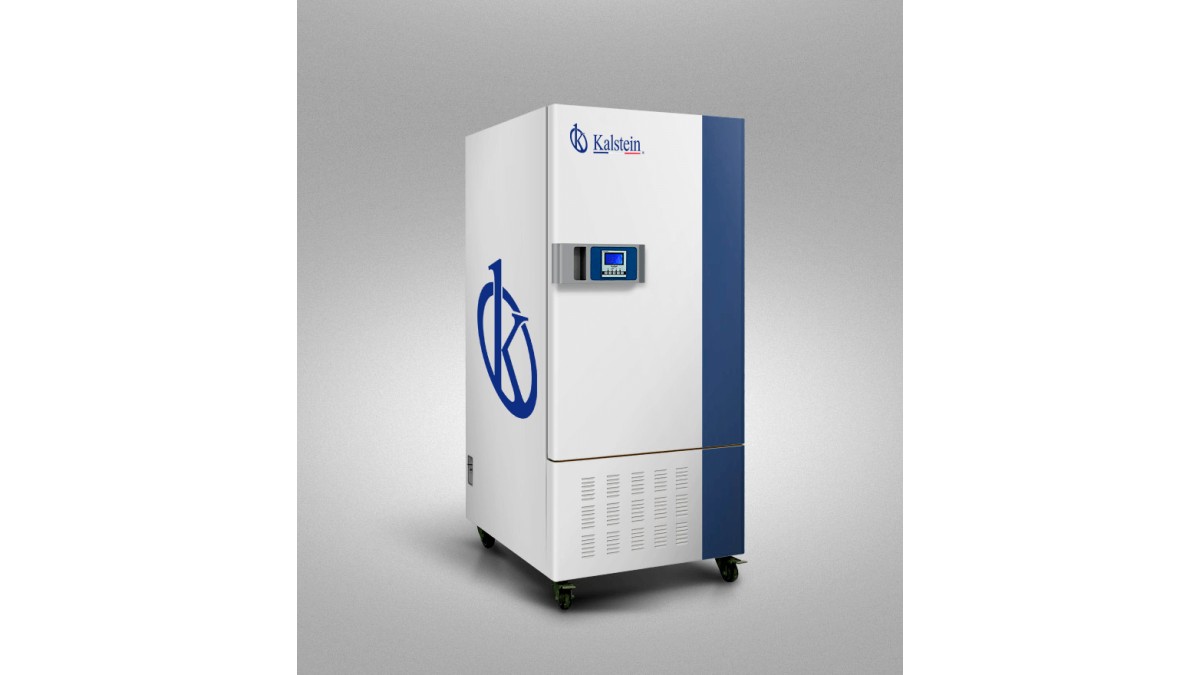
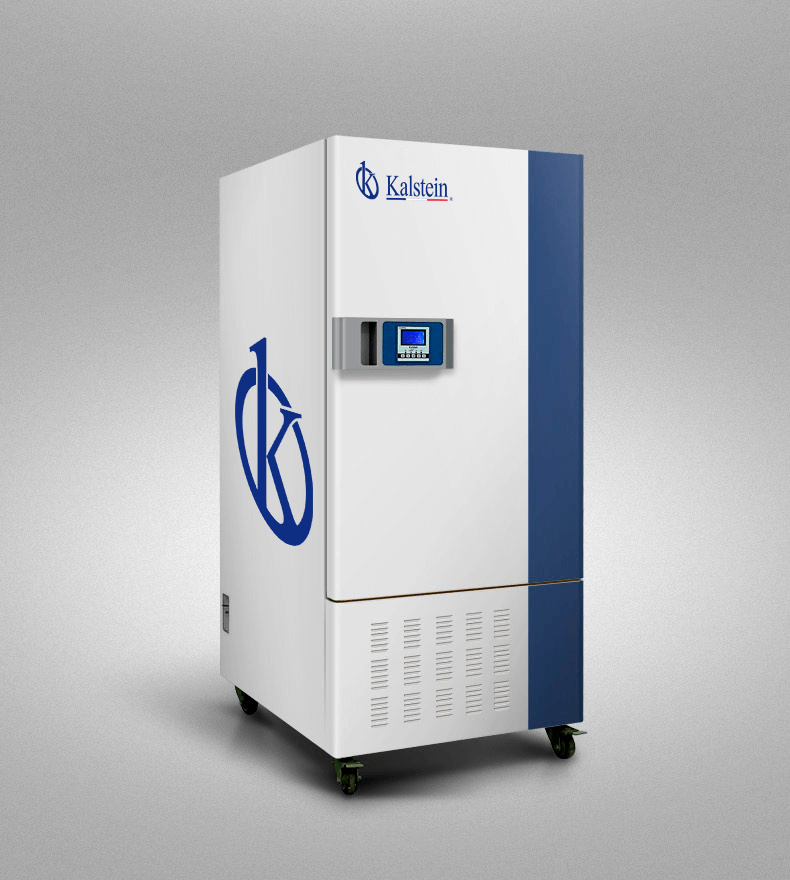
Constant temperature and humidity chambers are utilized across various laboratory settings to simulate environmental conditions necessary for a variety of experiments. In 2026, these chambers are crucial for conducting tests related to product stability, biological research, and material testing. They help ensure consistent conditions for samples, which is vital in sectors such as pharmaceuticals, agriculture, and manufacturing. Scientists use these chambers for long-term experiments, seed germination studies, and to mimic climate conditions for various biological processes.
History and evolution of the technology
The technology behind constant temperature and humidity chambers has evolved significantly since its inception. Initially developed for basic environmental testing, these chambers have evolved to incorporate advanced sensors and control systems that allow for precise temperature and humidity regulation. Over the years, the integration of digital displays and programmable control systems has made these chambers more user-friendly and efficient. The development of high-efficiency insulation and safety features has also contributed to their reliability in laboratory settings.
How to use it step by step
Using a constant temperature and humidity chamber involves several crucial steps, which include the following:
- Preparation: Ensure the chamber is clean and free from any contaminants. Place samples in suitable containers that can withstand the chamber's conditions.
- Setting Parameters: Program the desired temperature and humidity levels using the digital control panel. Set the duration of the experiment.
- Loading the Chamber: Carefully place the samples inside without overcrowding to ensure proper air circulation.
- Monitoring: Continuously monitor the chamber conditions via the digital display, ensuring they remain within the set parameters.
- Data Collection: After the designated time, collect data from the samples and document any significant changes or results.
Best techniques and protocols
To achieve optimal results with constant temperature and humidity chambers, laboratory professionals should follow the best techniques and protocols, including:
- Always calibrate the chamber before use to ensure accurate readings.
- Maintain a consistent loading pattern to promote even temperature distribution.
- Regularly clean and sanitize the chamber to prevent contamination.
- Use data logging systems to track changes over time for more accurate analysis.
Practical applications by laboratory type
Different types of laboratories utilize constant temperature and humidity chambers for specific applications:
- Pharmaceutical Laboratories: Stability testing of drugs under controlled environmental conditions.
- Agricultural Research Facilities: Studying the effects of climate on seed germination and plant growth.
- Material Testing Labs: Evaluating the performance and durability of materials under varying humidity and temperature.
Regulations, standards and certifications
In 2026, laboratories using constant temperature and humidity chambers must adhere to several regulations and standards. These include compliance with Good Laboratory Practices (GLP) and ISO standards relevant to environmental testing. CE certification is essential for ensuring that equipment meets safety and performance standards. Regular audits and inspections are mandated to maintain compliance and ensure the reliability of results generated from experiments conducted in these chambers.
Comparison with alternative technologies
Alternative technologies to constant temperature and humidity chambers include environmental test chambers and incubators. While environmental test chambers provide broader environmental simulations, they may not offer the same level of precision in temperature and humidity control as dedicated chambers. Incubators, on the other hand, are more suited for biological applications but may lack the capacity to maintain varied humidity levels in the same way as constant chambers. Consequently, constant temperature and humidity chambers remain the go-to solution for many laboratory applications requiring specific environmental conditions.
Comparison of available models
| Model | Best for | Key Specs | Recommended Use Case |
|---|---|---|---|
| YR05334 | Sample Testing, Shelf Life Testing | Temperature Range: 0~60℃, Humidity Range: 40~95%, Price: $1870.00 | Ideal for long-term experiments and plant cultivation. |
| YR05335 | Sample Testing, Biological Research | Temperature Range: 0~60℃, Humidity Range: 40~95%, Price: $2220.00 | Perfect for pharmaceutical trials and controlled studies. |
| YR05336 | Material Testing, Climate Simulation | Temperature Range: 0~60℃, Humidity Range: 40~95%, Price: $3140.00 | Best suited for durability testing in various conditions. |
| YR05337 | Plant Cultivation, Experimentation | Temperature Range: 0~60℃, Humidity Range: 40~95%, Price: $1900.00 | Recommended for agricultural research and seed studies. |
| YR05338 | Pharmaceutical Research, Sample Stability | Temperature Range: 0~60℃, Humidity Range: 40~95%, Price: $2250.00 | Optimal for drug stability assessments. |
| YR05339 | General Research, Environmental Testing | Temperature Range: 0~60℃, Humidity Range: 40~95%, Price: $3180.00 | Versatile for various laboratory applications. |
Common mistakes and how to avoid them
Laboratory professionals often encounter common pitfalls when using constant temperature and humidity chambers. To avoid these mistakes:
- Do not overload the chamber, as this can lead to uneven temperature distribution.
- Ensure that the samples are properly sealed to prevent moisture loss or contamination.
- Regularly verify and calibrate the equipment to maintain accuracy.
Maintenance, calibration and good practices 2026
Maintaining a constant temperature and humidity chamber involves regular cleaning, calibration, and monitoring of the equipment. Follow these best practices:
- Perform routine cleaning of the interior and exterior surfaces to prevent contamination.
- Calibrate temperature and humidity sensors every six months to ensure reliability.
- Document any maintenance activities for future reference.
Cost-benefit analysis 2026
Investing in a constant temperature and humidity chamber can yield significant benefits for laboratories. While the initial cost varies, the long-term benefits include improved accuracy in experiments, better product stability assessments, and reduced likelihood of contamination. Moreover, these chambers can support a wide range of laboratory applications, justifying the expense through enhanced efficiency and quality of results.
Frequently asked questions
How do I select the right constant temperature and humidity chamber for my lab?
Choosing the right chamber involves considering your specific application needs, such as temperature and humidity ranges, as well as the capacity required for your samples. Assess your budget and additional features you may need.
What are the most critical maintenance tasks for these chambers?
Regular cleaning, calibration of sensors, and monitoring of performance metrics are essential for maintaining optimal function. Consistent maintenance ensures accurate results over time.
Can I run multiple experiments simultaneously in one chamber?
Yes, but ensure that samples are arranged properly to avoid airflow obstruction, which can lead to uneven conditions. Monitor each sample closely for consistent results.
What safety precautions should I take when using these chambers?
Always follow the manufacturer's safety guidelines. Ensure that the chamber is placed away from direct sunlight and that emergency protocols are in place in case of equipment failure.
How can I improve the accuracy of my experiments using these chambers?
Calibrate the equipment regularly, avoid overloading, and maintain consistent environmental conditions outside the chamber to ensure accuracy in your experiments.
Is it possible to upgrade my existing chamber?
Yes, many constant temperature and humidity chambers can be retrofitted with newer technology for enhanced monitoring and control capabilities, improving their overall performance.
What is the typical lifespan of a constant temperature and humidity chamber?
With proper care and maintenance, these chambers can last anywhere from 10 to 15 years, depending on usage and technological advancements.
If you are looking for a fusion of innovation and quality, you have come to the right place. At Kalstein, we offer you the luxury of exploring our exclusive catalog of laboratory equipment. We manufacture every device to the highest standards of excellence. Our intuitive and seamless online purchasing channels are designed for your convenience, securing the most competitive prices. Hesitate no longer — we bring science to life, it is time to become part of our community.