Incubators
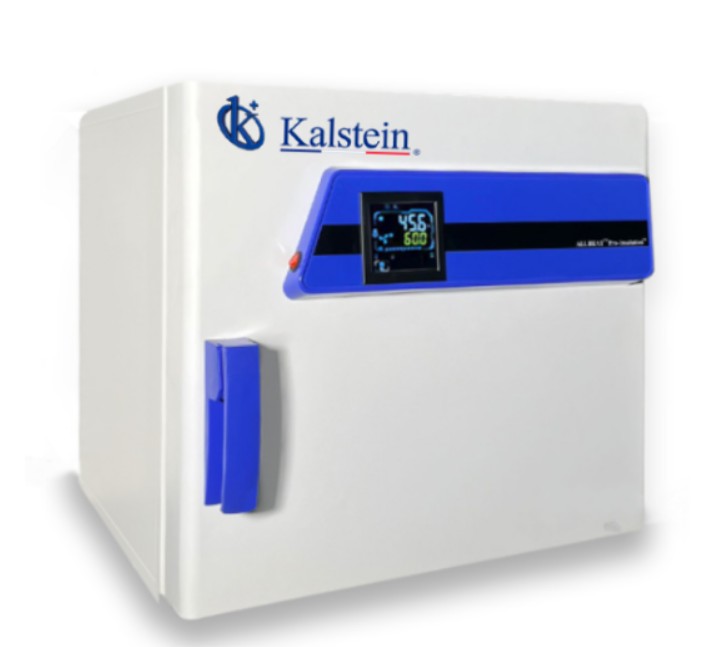
Laboratory incubators are crucial for creating controlled environments that facilitate biological and chemical processes. These devices are designed to maintain optimal temperature, humidity, and gas concentrations, which are essential for various applications, including microbial culture, cell growth, and biochemical experiments.
Choosing the right incubator depends on your specific laboratory needs, the types of experiments you conduct, and the materials being used. With various options available, selecting an incubator that meets your requirements is vital for successful outcomes in scientific research.
Types of incubators your laboratory may need
Biochemistry incubators
Biochemistry incubators are specialized devices designed to provide precise temperature and environmental control for biochemical samples. These incubators are essential for experiments involving enzymes, proteins, and other biochemical reactions that require stable conditions.
They often come equipped with advanced features such as programmable temperature settings and monitoring systems to ensure optimal experimental conditions.
CO2 incubator
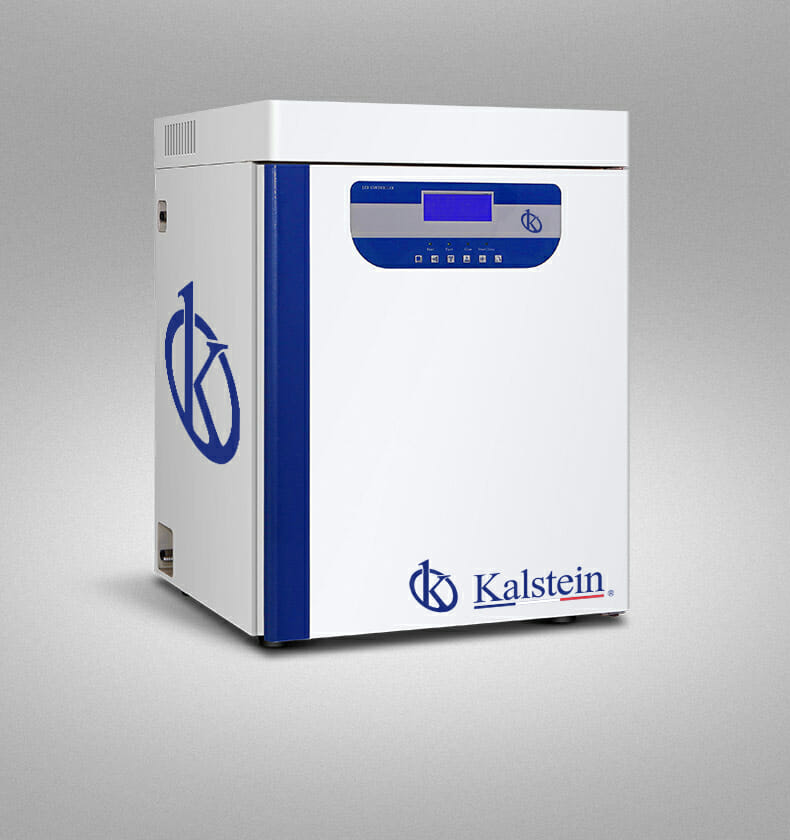
CO2 incubators are specifically designed to maintain a constant level of carbon dioxide, which is crucial for cell culture applications. These incubators create an optimal environment for the growth of cells, tissues, and other biological samples.
They feature advanced monitoring systems to regulate CO2 levels, temperature, and humidity, ensuring that the conditions mimic physiological environments.
Constant temperature and humidity incubator
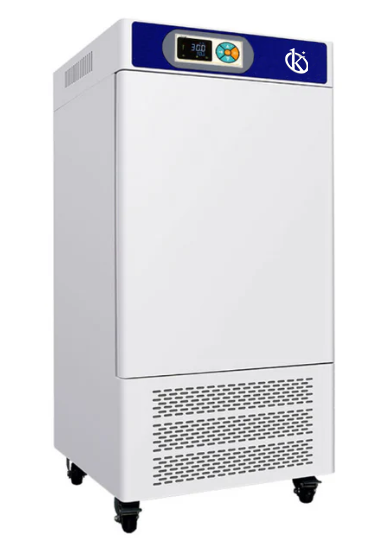
Constant temperature and humidity incubators provide stable and controlled environments, making them ideal for applications that require precise humidity levels alongside temperature control. These incubators are widely used in microbiology and tissue culture.
They are designed to accommodate various sample types, ensuring optimal conditions for growth and experimentation.
Constant temperature incubator
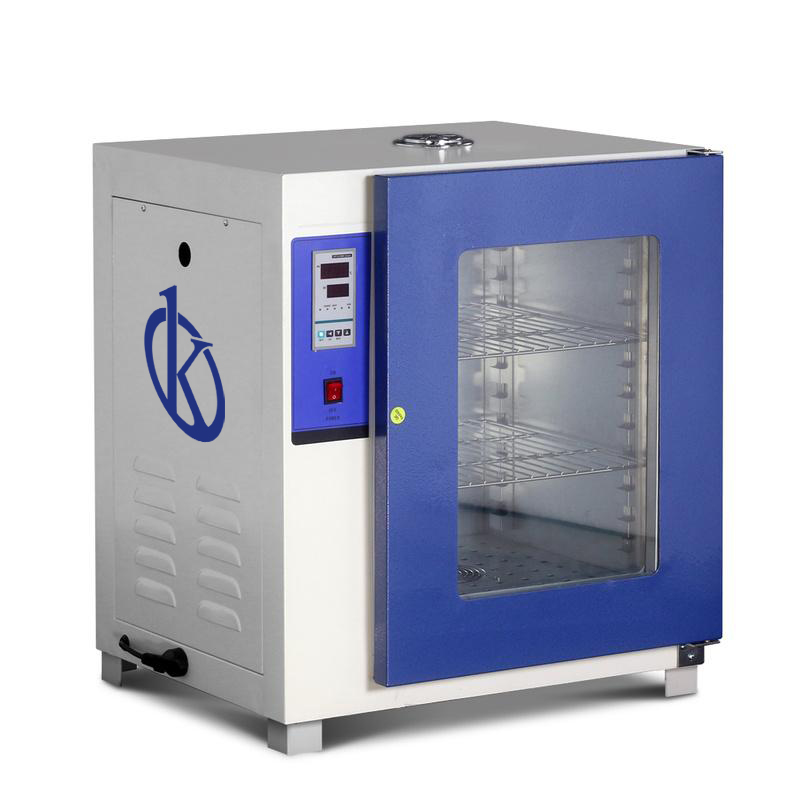
Constant temperature incubators maintain a stable temperature for a range of laboratory applications. These devices are essential for conducting experiments that require rigorous temperature control, such as microbial culture and enzyme activity studies.
They often feature digital controls for easy temperature adjustments and monitoring, enhancing their usability in various research settings.
Dry Bath Incubator
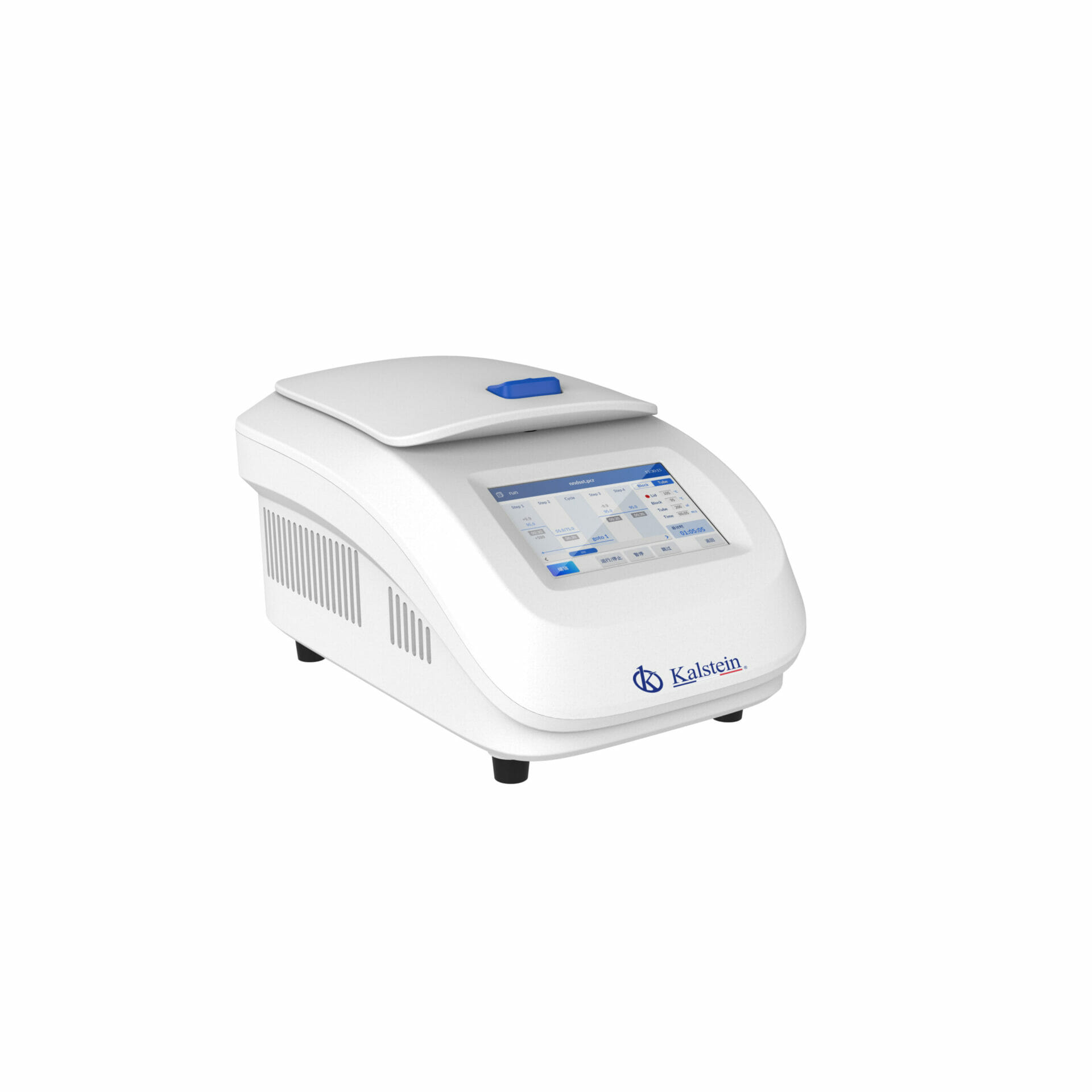
Dry bath incubators provide uniform heating in small volumes without the need for water. These are ideal for applications that require rapid heating and cooling cycles, such as PCR and enzyme reactions.
With adjustable temperature settings, dry bath incubators are versatile tools in molecular biology and biochemistry labs.
Microbiological Incubators
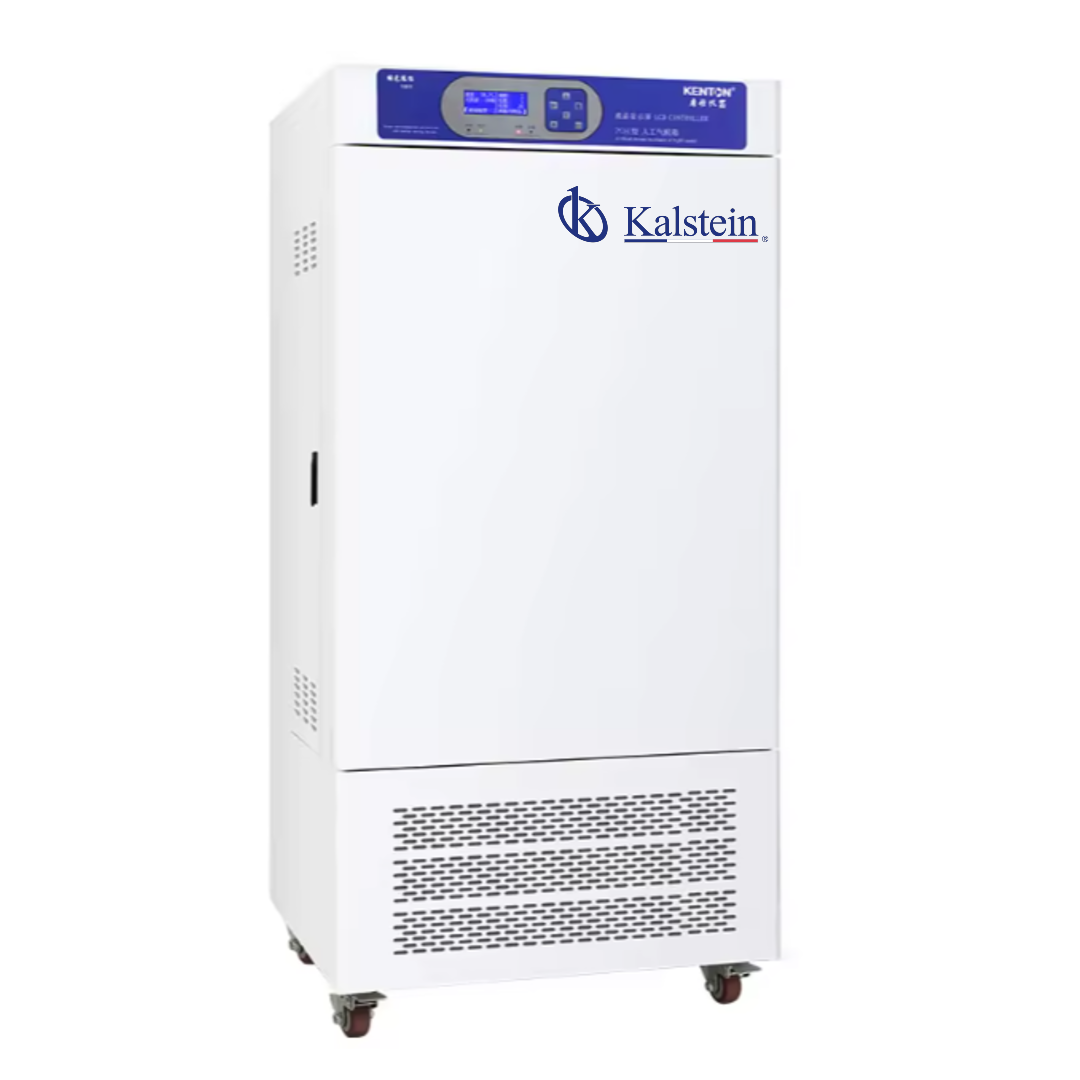
Microbiological incubators are designed to provide optimal conditions for the growth of microorganisms. They typically feature adjustable temperature and humidity controls to support various microbial assays and culture techniques.
These incubators ensure a sterile environment, preventing contamination and promoting accurate results in microbiological studies.
Mini Dry Bath Incubator
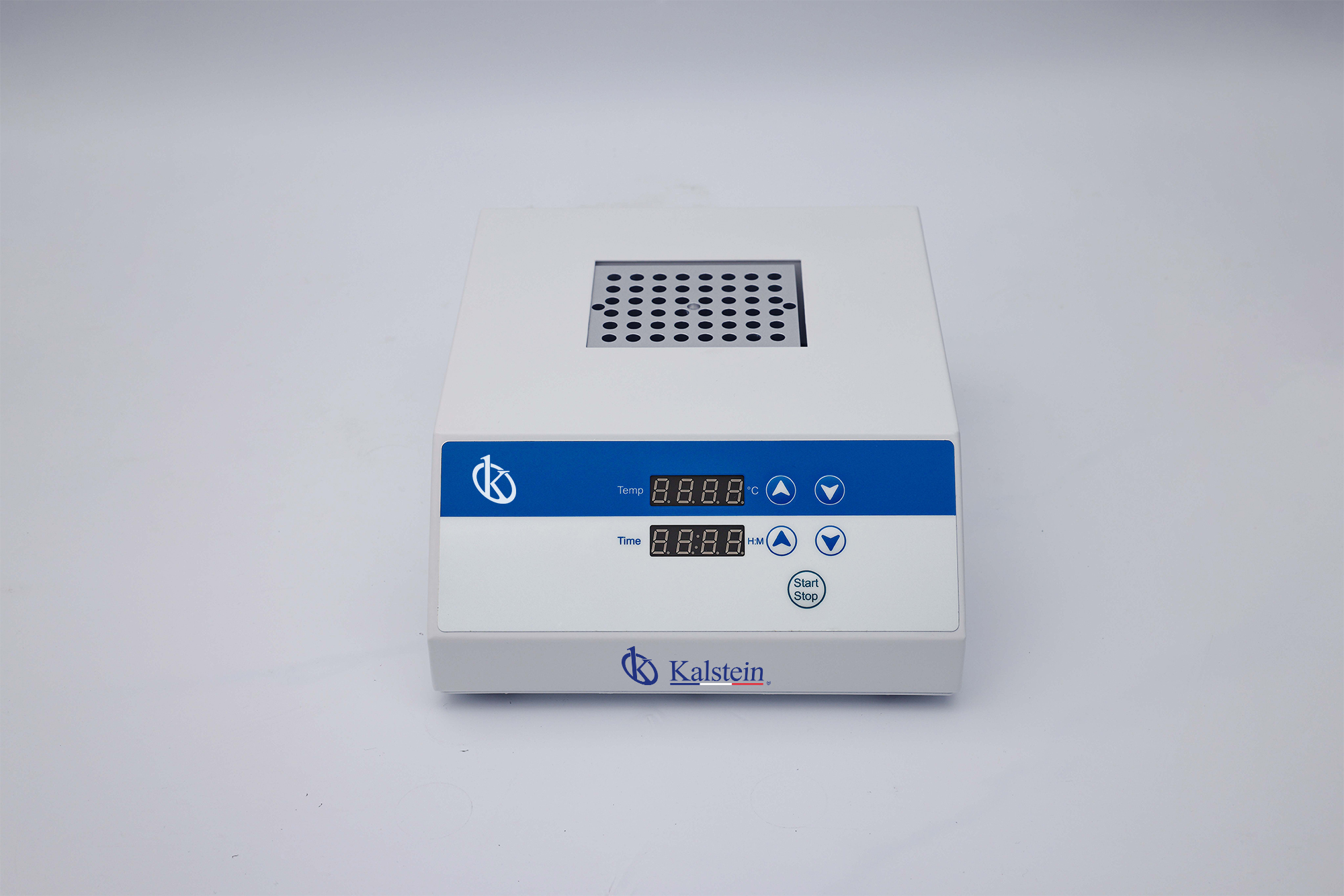
Mini dry bath incubators are compact and portable, making them suitable for fieldwork and labs with limited space. They provide consistent heating for small samples, making them ideal for applications such as DNA amplification and sample preparation.
Their user-friendly interface allows for quick temperature adjustments and monitoring.
Shaker Incubator
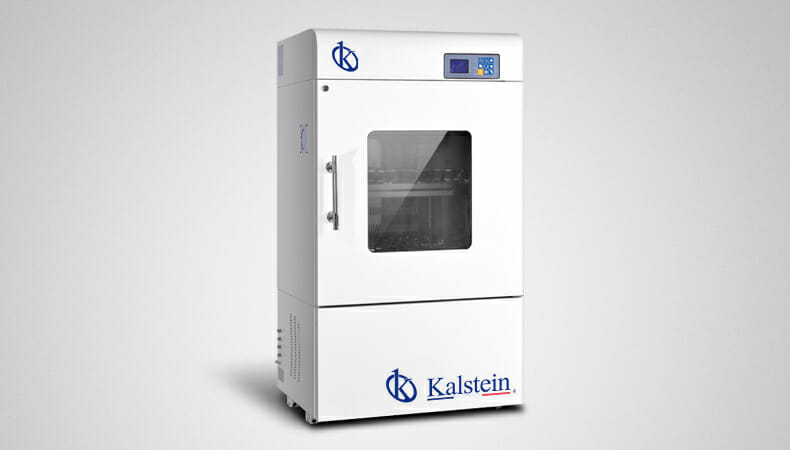
Shaker incubators combine gentle shaking and temperature control to promote optimal growth conditions for cell cultures and microbiological applications. The shaking motion facilitates aeration and mixing, which is crucial for the growth of aerobic organisms.
These incubators often feature programmable settings for speed and temperature, enhancing their versatility in various laboratory settings.
Thermostat Waterbath Incubator
Thermostat waterbath incubators provide precise temperature control using water as a heat transfer medium. These incubators are ideal for applications requiring consistent temperatures, such as sample thawing and biochemical reactions.
They offer easy temperature adjustments and are essential tools in biochemistry and molecular biology laboratories.
What you should know before selecting a incubators and making an investment
Key factors to consider
When selecting an incubator, consider factors such as temperature range, humidity control, and the type of samples you will be using. Assess your laboratory's specific requirements to ensure that the incubator provides an optimal environment for your work.
Also, evaluate the incubator's features, including ease of use, reliability, and maintenance requirements, to make a well-informed decision.
Market price range
Incubator prices can vary significantly based on their features, size, and capabilities. Basic models may start at a few hundred dollars, while advanced incubators with specialized functions can range into the thousands.
When budgeting, consider the long-term value and return on investment that a quality incubator can provide for your laboratory's research objectives.
Value for money
Investing in a high-quality incubator ensures that you receive reliable performance and longevity. Evaluate the features offered by different models to ensure they meet your laboratory needs while providing good value for the price.
Consider warranty and support options, as these can significantly impact your overall satisfaction and cost-effectiveness in the long run.
Expected lifespan based on use and maintenance
The lifespan of an incubator largely depends on its quality, frequency of use, and maintenance practices. Regular upkeep and adherence to manufacturer guidelines can extend the life of your equipment.
Investing in a durable incubator can lead to fewer replacements and lower operational costs over time, making it a wise choice for your laboratory.
INCUBATORS KALSTEIN
Discover incubators for your laboratory
Explore our range of incubators designed to meet the diverse needs of laboratory environments. Our products are engineered for reliability and performance, ensuring your experiments yield optimal results.
Programmable Thermostatic Bacteria Incubator YR06441//YR06443
Kalstein programmable thermostatic bacteria incubator YR06441//YR06443 is an essential tool for scientific research and precise microbial cultivation,
View productOur best-selling incubators
Programmable Thermostatic Bacteria Incubator YR06441//YR06443
Frequently Asked Questions
How is the temperature controlled in the incubator? The YR06441//YR06443 incubator is controlled via a programmable touch screen, which allows precise temperature setting with a minimum error margin of ±0.1 °C. Is it possible to program the incubator's operation? Yes, thanks to its intelligent control system and timer, the incubator can be programmed for up to 999 hours or 9999 minutes, allowing automation according to the specific needs of each experiment. What types of applications are suitable for this incubator? This incubator is ideal for applications in microbiology, agricultural research, sterility testing, and biological material testing.Advantages and Disadvantages
Advantages: High precision temperature control (+5~90°C), ideal for sensitive applications. Energy consumption reduction thanks to ALLHEAT technology. Easy programming and remote monitoring via touch screen and USB/RS485 connectivity. High-quality materials such as SUS304 stainless steel and Pro-Insulation insulation ensure durability and efficiency. Sterilization at 90°C to avoid cross-contamination. Disadvantages: Its price may be high compared to basic models without advanced control capabilities. Energy consumption in continuous operation modes, although energy efficiency is optimized.Product Use in the Field
In microbiology laboratories, the YR06441//YR06443 incubator is used to culture bacteria and other microorganisms under controlled conditions. Its ability to maintain stable temperatures is crucial for medical and agricultural research, where precision and sterilization are essential. Additionally, its capacity to adjust airflow speed is ideal for drying powder samples, making it a versatile tool for various scientific applications.Recommendations for Maximizing Incubator Use
To keep the incubator running at its maximum efficiency, it is recommended to: • Perform regular maintenance of the touch screen and heating components. • Ensure that the incubator cavity is not overloaded to maintain adequate airflow circulation. • Regularly check the sterilization system at 90°C to ensure that samples remain free from contaminants.Technical Specifications
| Model | YR06441 | YR06442 | YR06443 |
| Cavity szie (mm) (H*W*D) | 350*350*350 | 450*450*350 | 550*550*450 |
| Air Circulation Method | Forced convection + adjustable airflow speed | ||
| Control Method | PID touch-programmable intelligent temperature control screen with RS485 interface, "T" model features 4.3-inch touch screen with USB data storage function | ||
| Temp Range (°C) | RT+5~90 | ||
| Temp Resolution (°C) | 0.1 | ||
| Flutuation(℃) | ≤±0.5(RT+3~50℃) | ||
| Temp Uniformity(℃) | ±1(RT+3~50℃) | ||
| Heating Time/Rate | Reaches 60℃ within 20mins | ||
| Timer Range | 0~999Hours or 0~9999Mins, ptional | ||
| Safety Feature | Over-Temperature Alarm | ||
| Operating environment | Ambient temperature: 10~30°C, relative humidity below 70% | ||
| Insulation materials | Imported environmental sustainable material | ||
| Cavity Capacity (L) | 40 | 70 | 130 |
| Cavity Material | SUS304 stainless steel cavity | ||
| Tray | 2 | ||
| Power(W) | 550 | 650 | 800 |
| Power Supply (V) | AC220V/50Hz | ||
| Shelf Load Capacity | Each layer board has a maximum load of 20KG, and the maximum total load of the cavity is 40KG | ||
Detailed analysis of incubators for an effective and safe choice
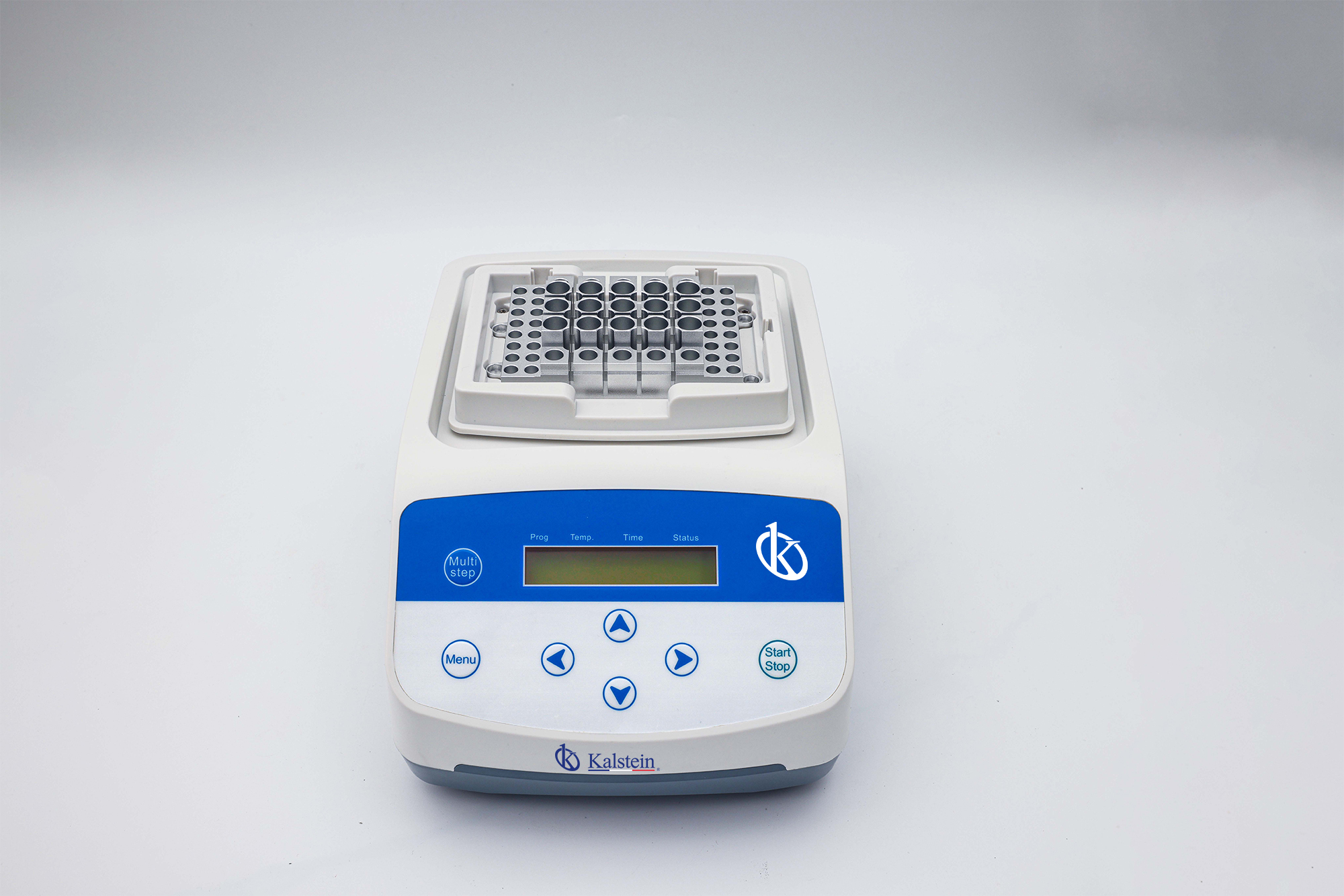
The Ultimate Guide to Mini Dry Bath Incubators: Innovation in a Compact Design
Mini Dry Bath Incubator, Brand Kalstein The Mini Dry Bath Incubator by Kalstein represents a groundbreaking approach to laboratory incubators, offering a compact yet highly efficient solution for all your sample heating needs. Known for their dedication to quality and innovation, Kalstein has developed a product that combines precision, efficiency, and ease of use, making it a favored choice for l
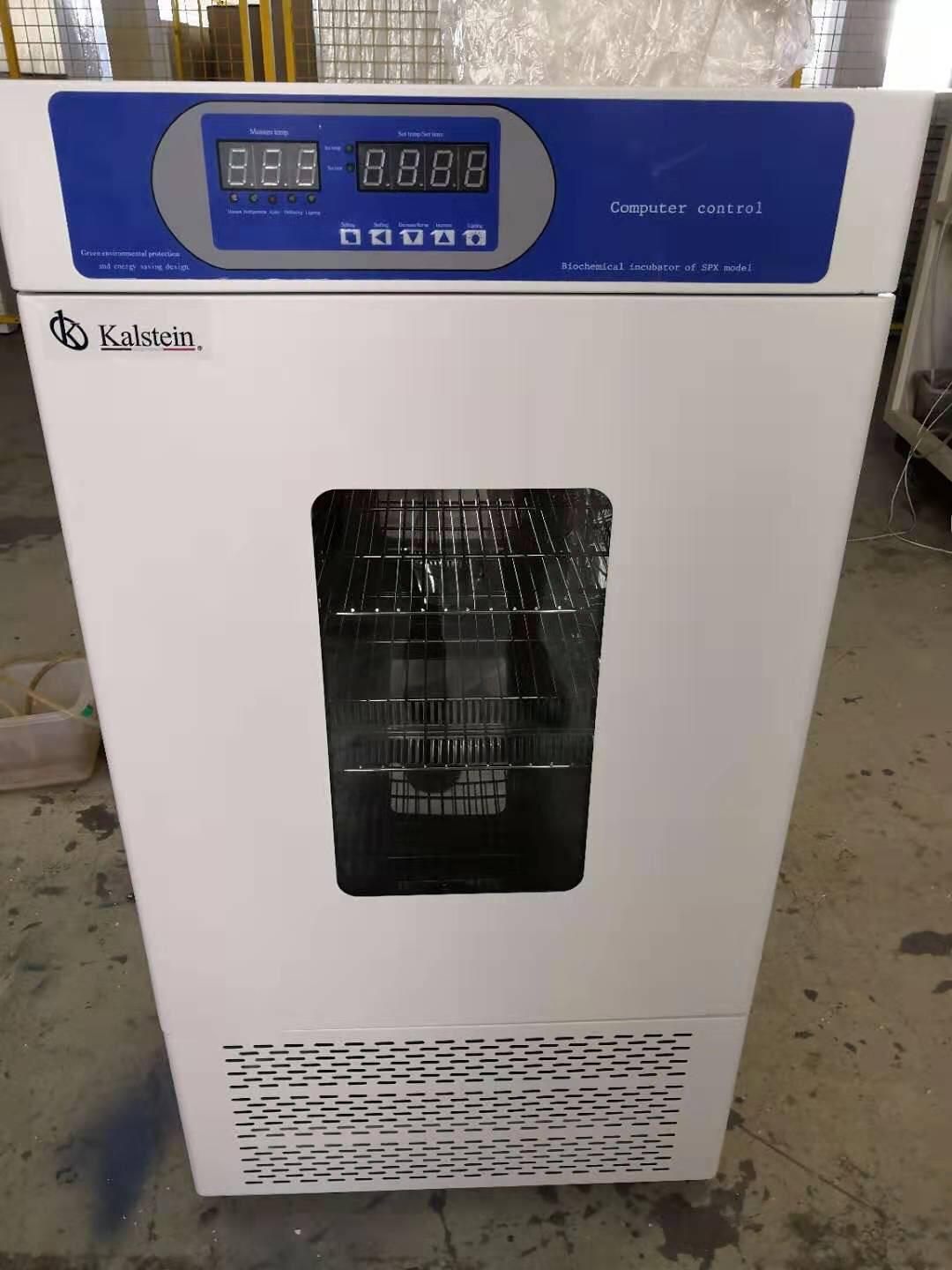
Innovations in Laboratory Incubators for Optimal Cell Culture
The field of scientific research has seen remarkable advances thanks to laboratory incubators, essential tools for optimal cell culture. These devices maintain controlled conditions of temperature, humidity, and gases, providing an ideal environment for the growth and development of cell cultures and microorganisms. The precision and stability they offer are crucial for obtaining reproducible and reliable results, facilitating the study of various biological processes and the development of new therapies.
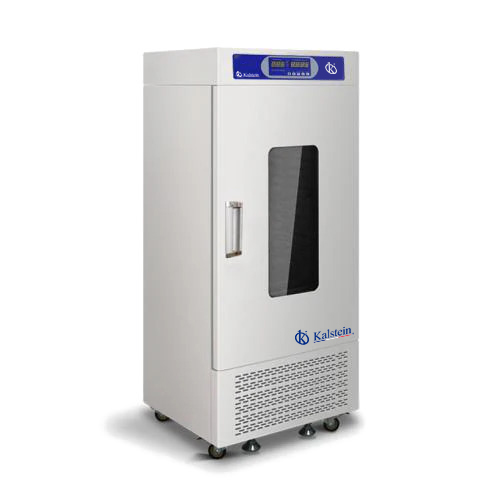
Incubators: Precise Thermal Control for Cell Cultures and Scientific Experimentation
In research laboratories, incubators play a crucial role in providing a controlled environment for cell culture growth, microorganism incubation, and temperature-sensitive scientific experiments. These devices ensure that key environmental factors such as temperature and humidity remain stable to guarantee reliable experimental results. In this article, we will explore the features and advantages of Kalstein’s laboratory incubators, a brand recognized for its excellence in manufacturing high-precision equipment.
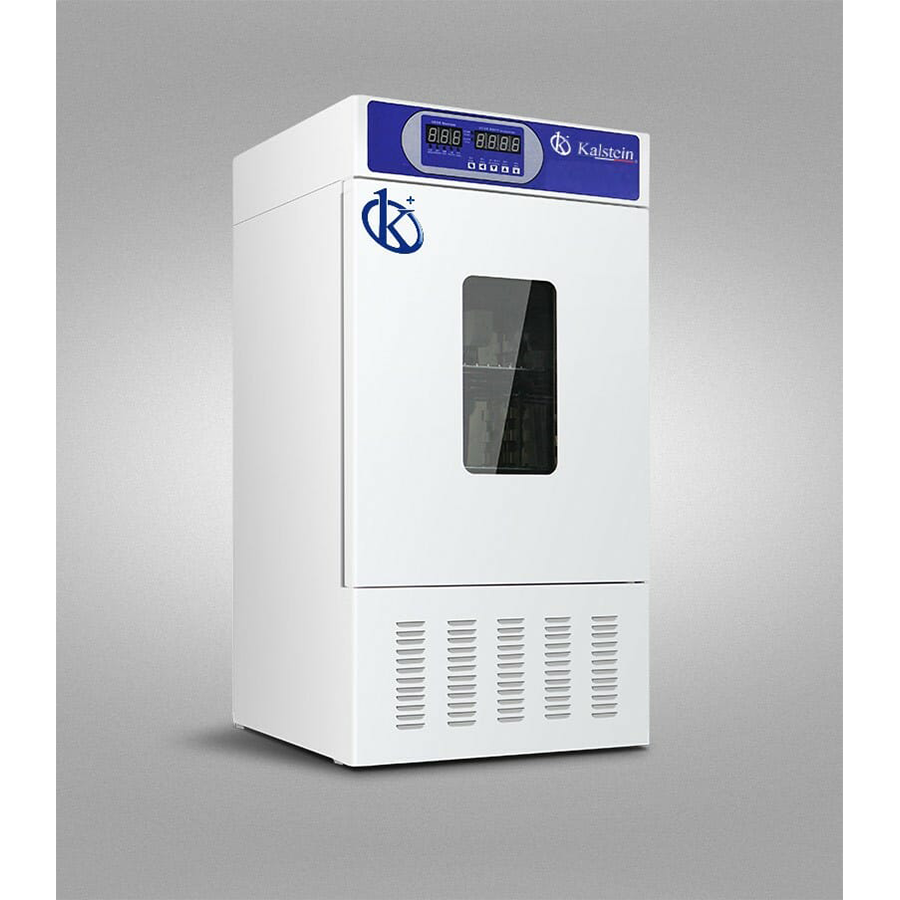
Incubators for use in cosmetic laboratories
In the realm of science and technology, laboratory equipment manufacturers have evolved to develop high-end instruments designed for the cosmetic industry, and one of the most prominent pieces of equipment are laboratory incubators. These devices stand out for their precision and reliability, providing notable value to the laboratories that employ them.
incubators offer catalog
Guides about incubators
Complete guides to choose incubators
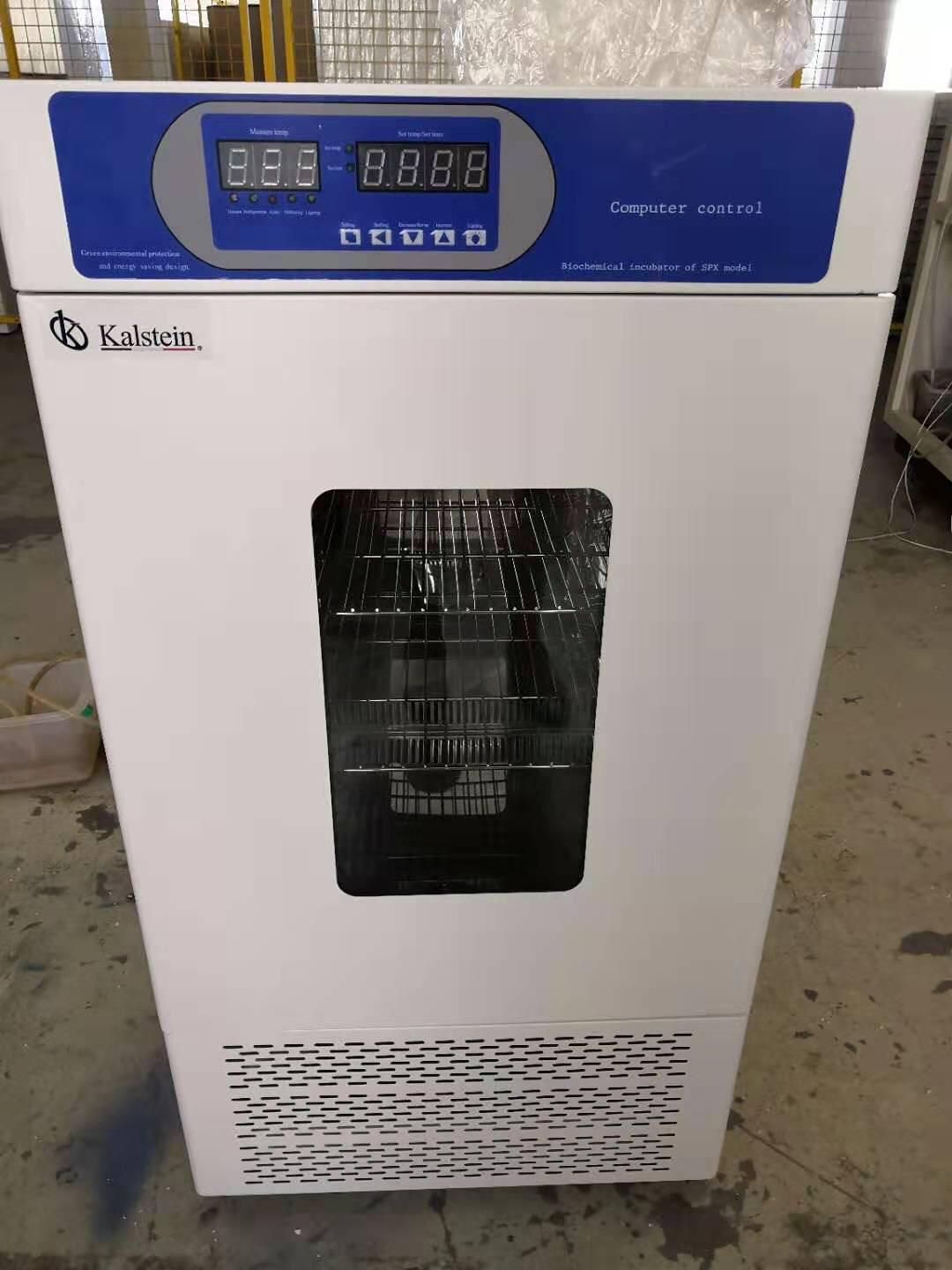
Laboratory Incubators: How Do They Work?
An incubator is a laboratory equipment that allows to carry out a large amount of experimental work, because with it microbiological and cell cultures can be maintained thanks to its ability to achieve the optimum temperature and humidity f
Leer más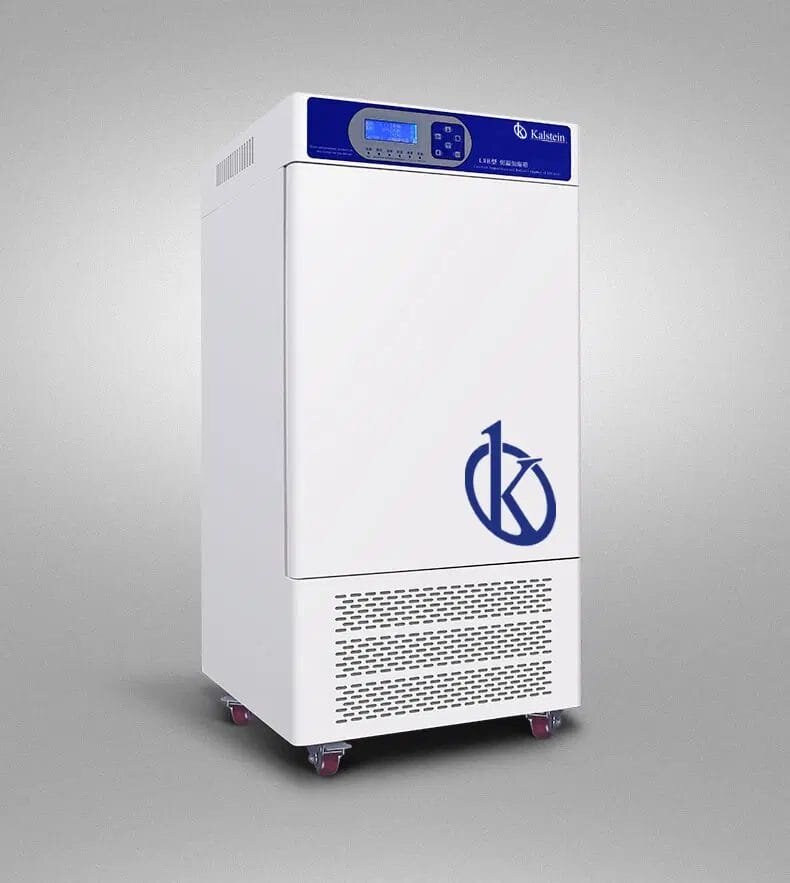
Boost Your Scientific Results with High-Quality Laboratory Incubators from Kalstein
The laboratory incubator is one of the most essential tools for multiple scientific studies. It provides a controlled growth environment for research, directly affecting the validity and relevance of the results obtained. As such, the choic
Leer más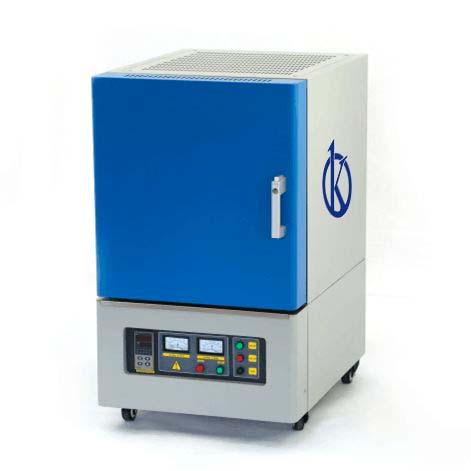
What are the differences between Drying Ovens, Muffle Ovens and Laboratory Incubators?
Within the laboratory and industrial sectors, there is a wide variety of furnaces of different types, which adapt to the applications they require, and their uses will depend on the maximum temperature at which they wish to work.
Leer más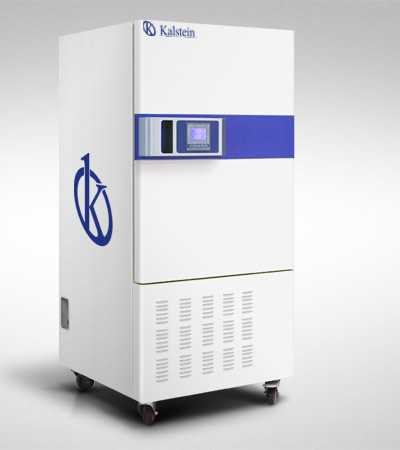
What types of experiments can be performed in a laboratory incubator?
An incubator is a device that creates optimal conditions for biological samples to grow and develop. In a laboratory setting, incubators are used to grow cells, bacteria, or other microorganisms as well as to grow tissue samples and store l
Leer másFrequently asked questions about Incubators
How to know the prices of Incubators?
To know the price of Incubators, please send us an email with your request through the contact form AQUI.
What are the delivery times for Incubators?
Delivery time depends on stock availability and freight type (air or sea). In stock: air 15-30 days, sea 45-60 days. Out of stock: air 30-60 days, sea 60-90 days.
How to make a purchase of Incubators?
You can buy by email ([email protected]), phone (+33 (0) 1 70 39 26 50) or through the official Kalstein website in your country.
How does the warranty work for Incubators?
All Kalstein equipment comes with a 1-year warranty against manufacturing defects. The warranty does not cover damage from improper installation or misuse. See our «terms and conditions» AQUI.
Can I request a quote online for Incubators?
Yes, you can request a quote for the Kalstein equipment you are interested in directly from our official website. Click AQUI.