
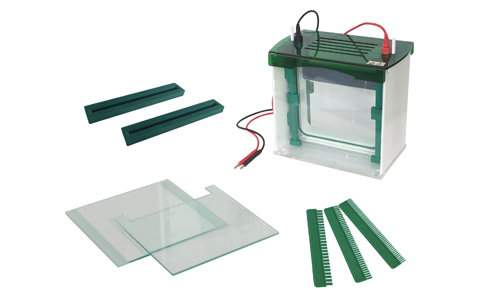
Electrophoresis: Brand Kalstein
In the realm of laboratory equipment, Kalstein stands as a beacon of quality and innovation, particularly when it comes to electrophoresis. Known for their advanced technology and reliable construction, Kalstein’s electrophoresis units have become indispensable tools for researchers. Whether you’re delving into DNA analysis or protein separation, the precision offered by Kalstein’s electrophoresis systems is unmatched. They provide not just a process, but a gateway for scientific discovery and innovation.
Kalstein’s electrophoresis equipment is deeply rooted in facilitating complex experimental procedures with ease and accuracy. Their products are designed to address the evolving needs of laboratories, ranging from educational institutions to industrial settings. With substantial customer feedback highlighting the consistency and durability of their products, Kalstein ensures that each electrophoresis unit is equipped to handle rigorous testing environments, thereby empowering scientists to achieve conclusive results effortlessly.
Characteristics of Electrophoresis
Electrophoresis is a method used to separate charged particles in a fluid using an electric field. Kalstein’s electrophoresis devices are built to conduct this process with unprecedented precision, offering a variety of features that enhance performance. A key characteristic is their robust design which ensures minimal maintenance and maximum longevity, an essential factor for laboratories with heavy usage.
Among the standout features of Kalstein’s electrophoresis machines is their user-friendly interface. This allows even novice researchers to navigate complex experiments with simplicity and confidence. Additionally, their systems come with adjustable settings that can be tailored to the specific needs of different experiments, such as varying the voltage to suit different sample types. This flexibility further complements the versatile nature of Kalstein’s electrophoresis units, making them an adaptable choice for any laboratory setup.
Different Types or Models of Electrophoresis
Kalstein offers various models of electrophoresis systems, each designed to cater to different laboratory needs. The diversity in their lineup ensures that there is a suitable option for both simple and complex experimental requirements. Their models include horizontal and vertical electrophoresis systems, each model offering distinct advantages depending on the application.
The vertical electrophoresis models are particularly favored for their ability to handle larger sample volumes and provide high-resolution results. On the other hand, horizontal systems are ideal for routine experiments, offering ease of use and quick setup. Kalstein ensures that regardless of the model, each electrophoresis unit is equipped with features that optimize the workflow in any laboratory, making it easier for researchers to achieve their desired outcomes.
Why Does Electrophoresis Have This Price?
The cost of electrophoresis systems from Kalstein is reflective of their commitment to quality and innovation. While some may view the premium pricing as a barrier, what you’re actually investing in is the assurance of reliability and accuracy. The development of these systems involves cutting-edge technology and rigorous testing to ensure they meet the highest standards of scientific research.
Moreover, Kalstein understands the financial constraints many laboratories face. Therefore, they strive to balance cost with value, offering equipment that not only fulfills its intended purpose but also outperforms expectations. The materials used in construction are of superior quality, ensuring longevity and reducing the need for frequent replacements. Thus, the price encompasses not just the initial purchase, but the long-term benefits and savings associated with durable and efficient equipment.
Comparing Electrophoresis with Similar Products
When comparing Kalstein’s electrophoresis systems to those of other manufacturers, such as Bio-Rad, Thermo Fisher, and GE Healthcare, one immediately notices a few key differentiators. Kalstein devices shine in their user-friendly design and robust customer support, areas where other competitors often fall short. While Bio-Rad offers a wide range of laboratory equipment, their electrophoresis systems can sometimes be complex to operate, particularly for those just entering the field.
In contrast, while Thermo Fisher provides high-quality systems, they often come with a higher price tag. Kalstein offers a more cost-effective solution without compromising on technology and support. Similarly, although GE Healthcare is renowned for its high-end technology, the accessibility and practical applicability of Kalstein’s equipment make it the preferred choice for many researchers aiming for efficiency over extravagance. This balance between quality, user experience, and cost-effectiveness sets Kalstein apart in the competitive landscape of laboratory electrophoresis.
Pros and Cons of Electrophoresis
| Pros | Cons |
|---|---|
| High precision and accuracy in results | Initial investment cost can be high |
| Durable and long-lasting equipment | Require regular learning for optimal use |
| Versatile applications across various experiments | May require calibration for specific tests |
| User-friendly interface | Occasional maintenance needed |
| Comprehensive customer support | Space-consuming in smaller labs |
| Customizable settings for diverse experiments | Can be complex for beginners |
| Constant updates and enhancements | |
| Cost-effective in the long run |
Benefits of Using These Electrophoresis Systems
From personal experience, the benefits of using Kalstein’s electrophoresis systems are manifold. One of the most noteworthy advantages is the improved efficiency in laboratory processes. By significantly reducing the margin of error, these systems ensure that the results are both reliable and replicable. This precision encourages confidence in researchers, allowing them to focus on the experimental objectives rather than wasting time on troubleshooting technical issues.
Moreover, the adaptability of Kalstein’s systems to different experimental requirements is a tremendous advantage. Whether dealing with nucleic acids, proteins, or other biomolecules, the versatility of these electrophoresis units simplifies the process greatly. This adaptability, combined with superior technology, makes it possible to accomplish more with less, fulfilling the needs of modern scientific explorations effectively.
Additional Advantages of Electrophoresis
Apart from the obvious technical advantages, there are other less tangible benefits associated with Kalstein’s electrophoresis systems. These machines are thoughtfully designed to be environmentally friendly, consuming less power than many traditional models, which is an important consideration for sustainability in modern laboratories.
Additionally, the seamless integration of these systems into existing laboratory infrastructure simplifies workflows. This integration is supported by Kalstein’s dedication to continuous learning and access to expansive resources, including extensive manuals and expert consultations. The sum of these parts results in an enhanced laboratory environment where scientific inquiry can flourish without technical hindrance.
User References for Electrophoresis
Feedback from users reinforces the positive impact of Kalstein’s electrophoresis systems on laboratory workflows. Many researchers highlight the time saved due to the system’s efficiency and accuracy. Positive testimonials often emphasize the exceptional customer support and the ease with which Kalstein systems can be operated, even by those new to electrophoresis techniques.
Seasoned lab technicians often express their preference for Kalstein over other brands due to the balanced blend of advanced features and affordability. Users frequently commend the durability of the equipment, often operating flawlessly for years, which speaks volumes about the meticulous craftsmanship that goes into each device. Such positive customer experiences solidify Kalstein’s reputation as a leader in laboratory instrumentation.
Frequently Asked Questions
What makes Kalstein’s electrophoresis systems stand out?
Kalstein’s systems are renowned for their precision, reliability, and user-friendly design, making them a preferred choice for detailed analysis.
Are Kalstein’s electrophoresis systems suitable for beginners?
Yes, they come with an intuitive interface and comprehensive support, perfect for those just starting in laboratory research.
How does Kalstein ensure the durability of its electrophoresis units?
By using high-quality materials and undergoing rigorous testing, Kalstein ensures their systems withstand extensive use over time.
Do Kalstein electrophoresis units require frequent maintenance?
While minimal maintenance is needed, users often find that routine care ensures optimal performance and longevity.
Are there customizable settings in Kalstein electrophoresis equipment?
Yes, their systems allow for adjustable settings, enabling users to tailor the process according to specific experimental needs.
How does Kalstein support environmental sustainability?
Kalstein designs its systems to be energy-efficient, promoting ecological responsibility within laboratory settings.
Final Recommendations on These Electrophoresis Systems
If you’re considering an investment in electrophoresis equipment, Kalstein offers an optimal balance between cost and quality. Their systems are engineered to perform at the highest standards without sacrificing ease of use or durability. Whether for educational purposes or high-end research, the versatility and reliability of Kalstein’s electrophoresis devices are unrivaled. With a commitment to customer satisfaction and continuous innovation, choosing Kalstein ensures that your laboratory is equipped with state-of-the-art technology conducive to successful outcomes. For more details, please visit https://kalstein.us/category-product/laboratory-line/electrophoresis/.