
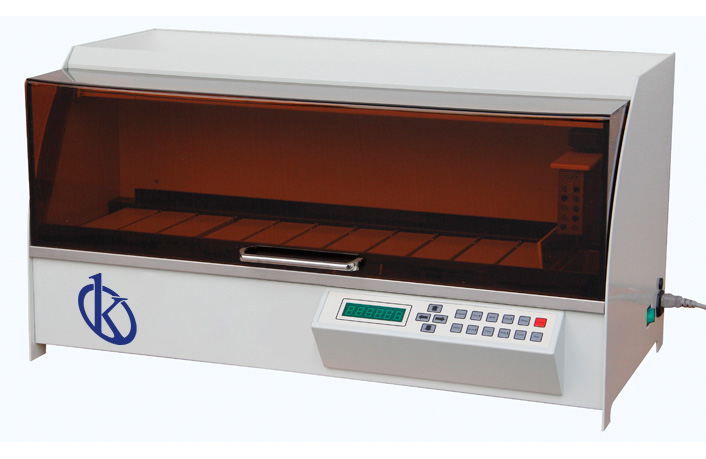
Tissue Processing, Brand Kalstein
Within the realm of pathological anatomy, tissue processing plays a pivotal role. Having explored various equipment in the market, Kalstein emerges as a leader in innovation, combining functionality with high standards. As someone who has witnessed the transformation and efficiency offered by Kalstein’s tissue processing devices, it’s clear why their reputation is stellar.
The manufacturing prowess embedded in the tissue processors by Kalstein ensures accuracy and reliability. With a history rooted in scientific excellence, every product from Kalstein reflects attention to detail and a commitment to enhancing laboratory procedures. These processors are not just tools but partners in ensuring that laboratories deliver optimal results.
Features of Tissue Processing
The tissue processors designed by Kalstein are equipped with advanced features that make them distinct. They are built to accommodate various types of tissues, providing versatility and adaptability in scientific research. The precision in temperature control and timer settings ensures that tissues are handled with the utmost care, preserving their quality throughout the process.
Additionally, the user interface is crafted for ease of use, allowing laboratory technicians to operate the equipment with minimal training. Intuitive controls and clear displays facilitate a seamless experience, enabling the focus to remain on the meticulousness required for quality samples. This combination of technology and user-friendly design is what sets Kalstein apart in the industry.
Different Types or Models of Tissue Processing
Kalstein offers a variety of tissue processors tailored to different laboratory needs. From compact models suited for smaller laboratories to more robust systems designed for high-throughput settings, there is a solution for every size and scale. These models differ in capacity, features, and technology, allowing laboratories to choose based on their specific requirements.
Among the popular models are those featuring automated systems that streamline the entire process, reducing human intervention and potential errors. This automation facilitates a more consistent and faster processing time, essential for laboratories handling numerous samples daily. The variety in models reflects Kalstein’s understanding of the diverse needs within pathological research.
Why Does Tissue Processing Have This Price?
The pricing of tissue processing equipment by Kalstein reflects the quality and technological advancement embedded in each machine. Investing in a tissue processor involves considering the durability, innovative features, and the reliability that the brand guarantees. While these processors might come at a premium, what they offer in efficiency and precision far outweighs the cost.
A significant factor influencing the price is the integration of cutting-edge technology that enhances accuracy and speed. Additionally, the materials used in construction are of the highest quality, ensuring longevity and consistent performance. These elements contribute to an overall value proposition that justifies the pricing strategy adopted by Kalstein.
Comparing Tissue Processing with Similar Products
When comparing Kalstein’s tissue processors to similar products from competitors like Leica Biosystems and Thermo Fisher Scientific, several distinctions arise. While all these companies offer high-quality solutions, the differentiation often lies in the balance between user interface, technological innovation, and cost.
Kalstein stands out for its advanced automation features that reduce manual handling, offering a significant advantage for labs aiming for high throughput. Where Leica Biosystems and Thermo Fisher Scientific provide reliable alternatives, Kalstein offers a blend of technology and user-centric design that often makes it a preferred choice among professional circles. The focus on customer support and tailored solutions adds another layer of appeal.
Pros and Cons of Tissue Processing
| Pros | Cons |
|---|---|
| Reliable operation with minimal maintenance. | Higher initial investment compared to basic alternatives. |
| Advanced automation features. | Requires proper training for new users. |
| Precision in temperature and timing control. | Automation may reduce flexibility in non-standard tasks. |
| User-friendly interface improves accessibility. | Availability may be limited in some regions. |
| Durable construction ensures longevity. | High demand can lead to waiting periods for procurement. |
| Excellent customer and technical support. | Some components might need specialized replacement parts. |
| Optimal for high-volume sample processing. | |
| Customizable to specific laboratory needs. |
Benefits of Using These Tissue Processing Devices
The benefits offered by Kalstein’s tissue processors are numerous, underscoring their reputation in the scientific field. The precision and efficiency of these devices lead to improved sample integrity which is crucial for accurate diagnostics and research. In addition, the time saved through automation translates to faster project completion and increased productivity in lab operations.
Moreover, the refined user experience ensures that laboratory staff can concentrate more on analysis and less on troubleshooting instrumentation. This becomes a critical advantage when managing high-stakes projects where time and accuracy are of the essence. Longevity and minimal maintenance requirements further enhance the value of investing in these machines.
Other Advantages of Tissue Processing
Beyond the tangible benefits, Kalstein’s tissue processing equipment also supports a more sustainable laboratory environment. The efficiency of these machines reduces energy consumption, echoing the growing demand for eco-friendly laboratory practices. Additionally, the longevity of the equipment means fewer replacements and disposals, contributing to reduced waste.
This sustainability aspect not only aligns with environmental responsibilities but also offers cost savings in the long term. The initial investment is offset by reduced operational costs, making it a financially sound choice for laboratories conscious of their ecological footprint.
User References on Tissue Processing Equipment
Feedback from users who have integrated Kalstein’s tissue processing solutions into their laboratories is overwhelmingly positive. Many appreciate the intuitive design that allows for easy integration into existing workflows. Testimonials often highlight the significant reduction in errors and the consistency in high-quality results.
Users also commend the customer service experience, noting that any technical inquiries are addressed promptly and efficiently. This level of support reassures labs that their investment is protected and any disruptions will be handled swiftly. Such endorsements reinforce the trust and reliability associated with Kalstein products.
Frequently Asked Questions
What makes Kalstein’s tissue processors stand out?
Kalstein’s tissue processors stand out for their advanced automation features, precise control, and user-friendly interfaces, allowing for reliable and efficient processing with minimal manual intervention.
Are Kalstein processors suitable for high-volume laboratories?
Yes, Kalstein processors are designed to cater to high-volume laboratories with models that support extensive throughput and efficient processing maintaining high standards.
How do these devices ensure the integrity of the samples?
The precision in temperature regulation and timing, combined with carefully crafted protocols, ensures sample integrity and consistency in results.
Is there customer support available for installation and troubleshooting?
Absolutely, Kalstein offers robust customer support, including assistance with installation, training, and ongoing troubleshooting to ensure seamless operation.
What type of maintenance do these tissue processors require?
The devices are designed for minimal maintenance, but regular cleaning and calibration are recommended to uphold performance and extend longevity.
Are these devices environmentally friendly?
Yes, Kalstein’s tissue processors are designed to be energy-efficient and have a long operational lifespan, which helps reduce the environmental impact and supports sustainable lab practices.
Final Recommendations on These Tissue Processors
In concluding, investing in tissue processing equipment from Kalstein is a choice that balances innovation with reliability. Whether for a small research lab or a large-scale clinical facility, the range of solutions offered by Kalstein caters to every need. The lasting quality, coupled with exceptional customer service, enhances its position as a leading choice for laboratories worldwide. For further details, visit https://kalstein.us/category-product/laboratory-line/pathological-anatomy/tissue-processing/.