
Centrifuges
Centrifuges are essential laboratory equipment that enable the separation of substances based on density through rapid spinning. They are widely used across clinical, research, and industrial applications to isolate cells, proteins, nucleic acids, and other components from complex mixtures. Their ability to provide rapid and efficient separation makes them indispensable in diagnostic laboratories and other scientific settings.
Within the centrifuges category, choosing between refrigerated and non-refrigerated models depends on the nature of the samples and the required results. Refrigerated centrifuges maintain precise temperature control to protect sensitive biological samples from heat damage during centrifugation, while non-refrigerated centrifuges are suitable for less temperature-sensitive processes. Both types offer various rotor options and speed capabilities tailored to different laboratory needs.

Types of Centrifuges Your Laboratory Might Need

Refrigerated Centrifuges
Refrigerated centrifuges are designed to maintain controlled low temperatures during operation, essential for preserving heat-sensitive samples such as blood, enzymes, and other biological materials. These units combine powerful centrifugal force with advanced cooling systems to ensure sample integrity throughout the separation process, making them ideal for clinical, research, and biotech laboratories.
These centrifuges feature precise temperature regulation and often include refrigerated rotors and programmable settings for customized protocols. They are essential when processing samples that require strict thermal control to prevent protein denaturation or cellular damage, thus guaranteeing consistent and reliable outcomes in critical applications.
Non-Refrigerated Centrifuges
Non-refrigerated centrifuges provide effective separation for samples that do not require temperature regulation during processing. They are typically more compact and cost-effective, offering versatility for routine laboratory tasks such as blood sample preparation, sedimentation, and phase separation in chemical assays.
These models offer a wide range of speeds and rotor configurations to accommodate diverse sample volumes and types. Their straightforward design and operational ease make them suitable for laboratories with limited space or budget, while still delivering reliable performance for standard centrifugation applications.

What You Need to Know Before Choosing Centrifuges and Making an Investment
Key Factors to Consider
When selecting a centrifuge, key factors include maximum speed (RPM), relative centrifugal force (RCF), rotor capacity, and sample volume compatibility. Additionally, noise level, ease of maintenance, and software interface can influence operational efficiency. Consider also the availability of safety features such as imbalance detection and lid locking mechanisms to protect users and samples.
For refrigerated centrifuges specifically, temperature stability and uniform cooling are critical to prevent sample degradation. The choice of rotor type, whether fixed-angle, swing-bucket, or microcentrifuge, impacts the separation efficiency and application scope. Power consumption and footprint size should also be evaluated against your laboratory’s infrastructure and workflow demands.

Price Range on the Market
The price range for centrifuges varies widely depending on type, capacity, and features. Non-refrigerated models generally start at a lower price point suitable for basic laboratory needs, while refrigerated centrifuges tend to be more expensive due to integrated cooling systems and more advanced technology. Additional costs may include specialized rotors and maintenance services.
Market prices span from entry-level units costing a few hundred dollars to high-end centrifuges that can exceed several thousand dollars. Investing in a reliable brand like Kalstein often translates to longer service life and better aftersales support, justifying a higher initial cost. Budget planning should include potential accessories and calibration tools needed for optimal operation.

Quality-Price Ratio
Evaluating the quality-price ratio involves assessing not only the initial purchase cost but also durability, energy efficiency, and operational performance. Kalstein centrifuges are known for their robust construction, user-friendly interfaces, and customizable options, delivering excellent value by minimizing downtime and maintenance expenses over the equipment’s lifespan.
Lower-priced centrifuges may suffice for occasional use but could require more frequent repairs or replacement. Investing in high-quality models ensures greater longevity and consistent performance, especially in high-throughput or critical applications. Proper maintenance, such as routine cleaning and timely servicing, significantly extends the centrifuge’s functional life.

Expected Lifespan Based on Usage and Maintenance
The expected lifespan of a Kalstein centrifuge depends on usage intensity and adherence to maintenance protocols. With regular calibration, rotor inspection, and preventive care, these units can operate efficiently for many years, providing dependable results. Kalstein offers customer support and training to help maximize your centrifuge’s operational longevity.
To preserve the lifespan of your centrifuge, always operate within manufacturer-recommended parameters and avoid overloading. Ensure the cooling system is functioning correctly in refrigerated models, and store the equipment in a clean, dust-free environment. Timely replacement of consumables and components is essential to maintain optimal performance.

KALSTEIN CENTRIFUGES
Among so many products, at Kalstein you can find the ideal centrifuge for your laboratory
If you don’t know what centrifuge to buy, we understand the importance of selecting the right model to suit your laboratory’s specific requirements, whether you need refrigeration capabilities, rotor capacity, or speed options to optimize your sample processing and ensure reliable results.

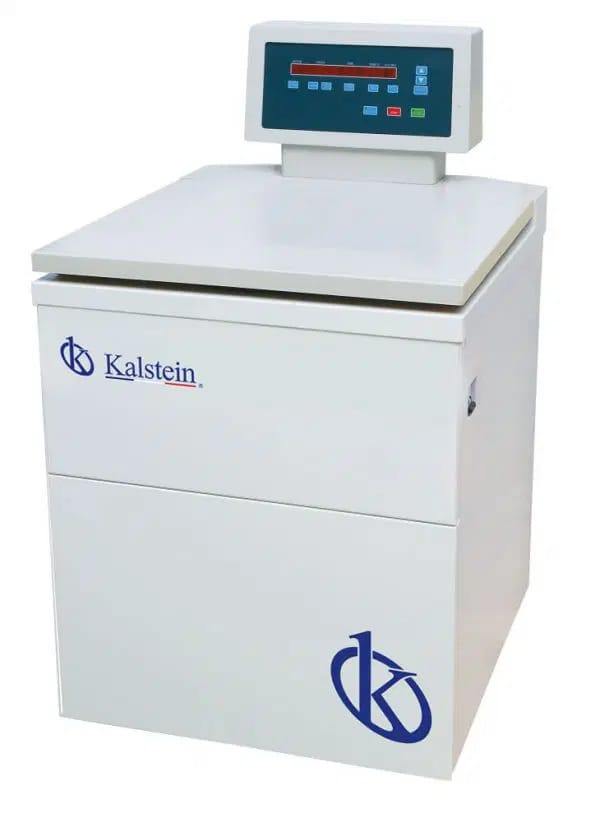
High-speed Centrifuge Table YR127
The YR127 High-Speed Benchtop Refrigerated Centrifuge is a vital instrument designed to satisfy the demanding needs of r…

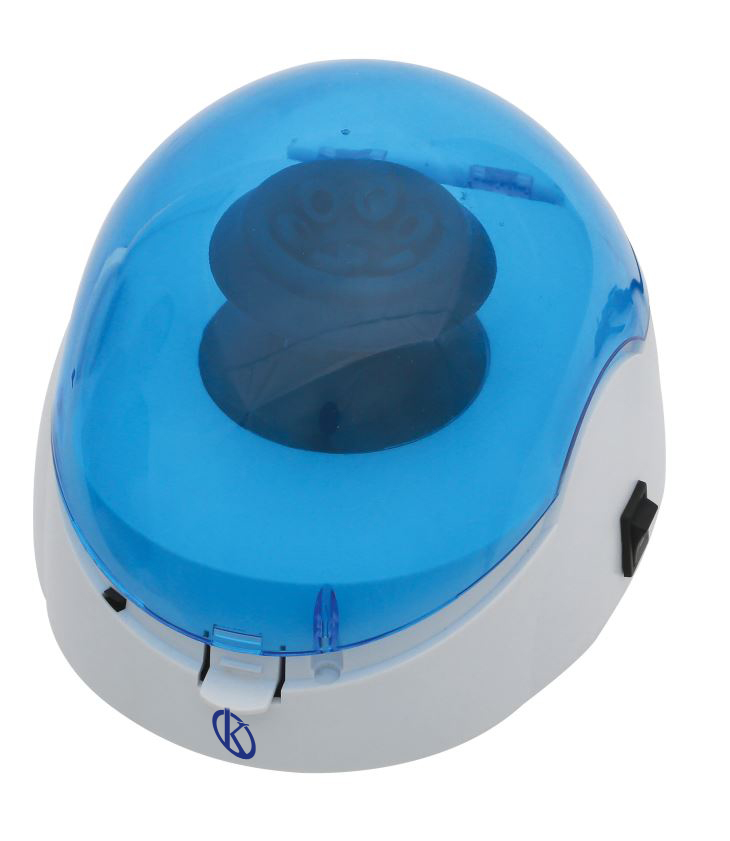
Mini centrifuge YR143
The YR143 Mini Centrifuge is a state-of-the-art piece of laboratory equipment, designed for efficiency and precision in…

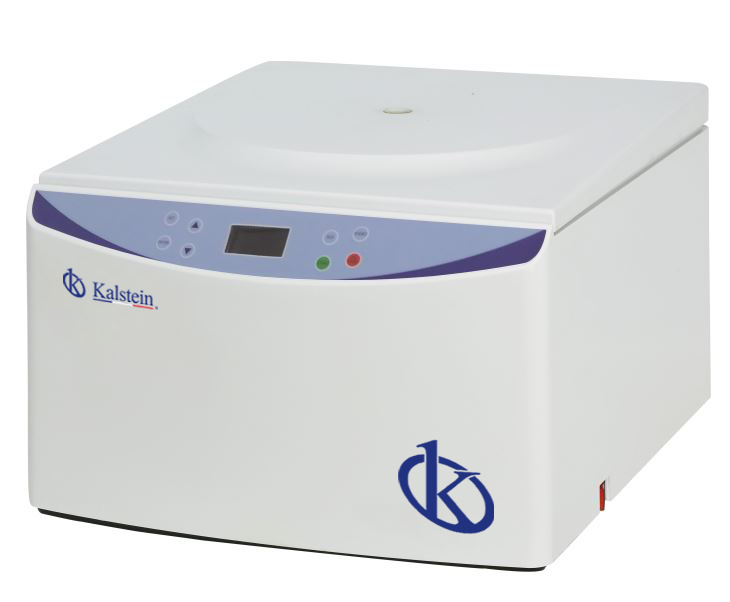
Low speed table centrifuge YR0140-1
The YR0140-1 Low-Speed Table Centrifuge is a highly versatile and reliable instrument essential for laboratories involve…

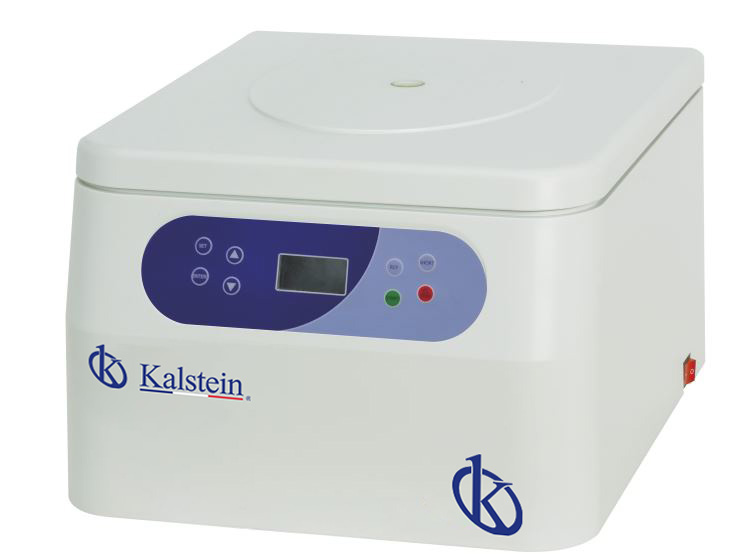
Speed table centrifuge YR0140
The YR0140 Low-Speed Benchtop Centrifuge is a precise, reliable tool for laboratories and clinics needing efficient samp…
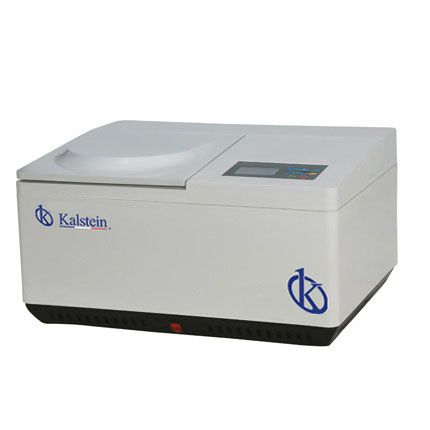
Our centrifuge most sold
The YR127 High-Speed Benchtop Refrigerated Centrifuge is a vital instrument designed to satisfy the demanding needs of research, biology, chemistry, and medical laboratories. It features an extraordinary capacity to handle up to 4 x 100 ml and dependable performance reaching speeds of 18,000 rpm, with an impressive relative centrifugal force (RCF) of 23,755 x g.
In the market, the price of high-speed refrigerated centrifuges varies, but for an instrument as refined as the YR127, you can expect a price range between $6250 to $7050 USD based on diverse configurations and supplier conditions. This investment is justified by the centrifuge’s superior precision, ensuring that laboratories maintain high-quality standards while staying budget-conscious.
| Model | YR127 |
| Max speed | 18000r/min |
| Max RCF | 23755xg |
| Max capacity | 4x100ml |
| Speed accuracy | ± 30r/min |
| Time setting | 1min~99h 59min |
| Temperature setting | -20 ℃ ~ +40 ℃ |
| Temperature accuracy | ±1 ℃ |
| Compressor unit | French Tecumseh Compressor Unit R134a |
| Noise | <65db(A) |
| Power supply | AC110V/AC220V, 50Hz-60Hz |
| Consumption | 1.2kw |
| Dimension(L×W×H) | 600mm×470mm×330mm |
| Packing size(L×W×H) | 720mm×640mm×430mm |
| Net weight (No rotor) | 50kg |

Comprehensive guide to choosing the best centrifuge quickly.

High-Speed Centrifuge Table YR0125 vs. High-Speed Micro Centrifuge 5427 R: A Comparative Analysis
The world of scientific research and laboratory testing relies heavily on precision instruments. Among these, centrifuges play a crucial role in separating subs…

Unveiling the Power of Centrifuges: A Comprehensive Guide to Kalstein Centrifuge Line
When it comes to laboratory equipment, the Kalstein brand stands out with its innovative centrifuges. With a strong reputation for reliability and quality, Kals…
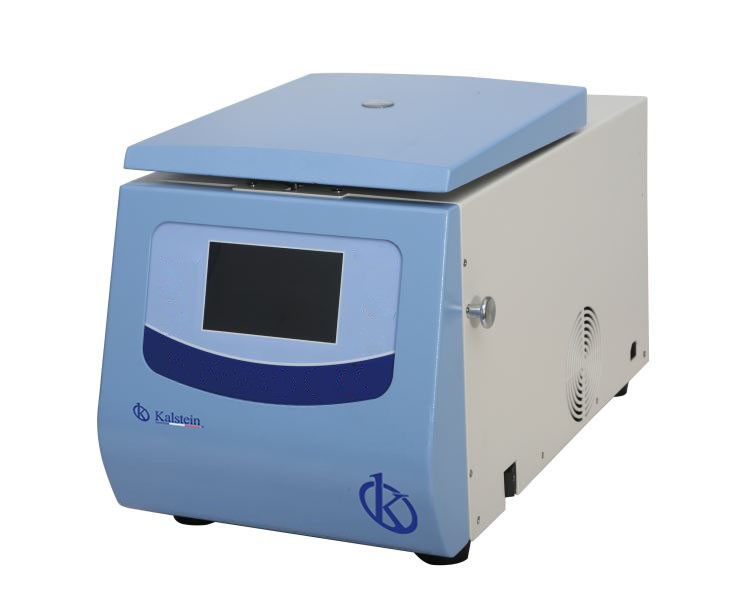
High-Speed Refrigerated Microcentrifuges: Kalstein YR111-5 vs. Hermle Z36HK
In the realm of laboratory equipment, the efficiency and accuracy of a high-speed refrigerated microcentrifuge can significantly influence the outcome of scient…
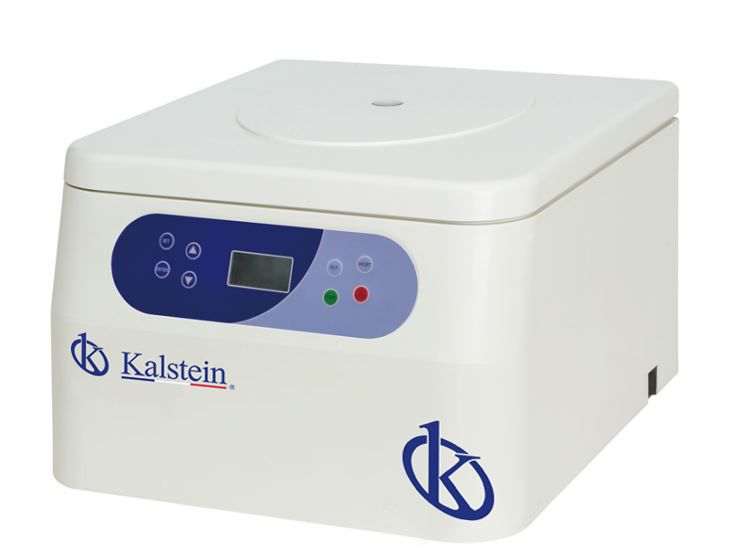
Comparing Centrifuge PRP YR469 from Kalstein and PRP Centrifuge ZENY: A Comprehensive Analysis
In the world of laboratory equipment, choosing the right product is crucial for ensuring accurate and reliable results. Two popular PRP centrifuges that are oft…
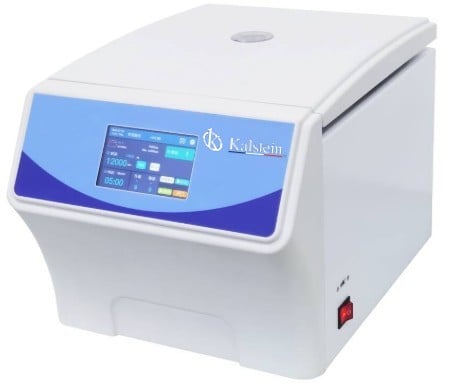
Centrifuges on sale

YR06919 High Speed Benchtop Centrifuge
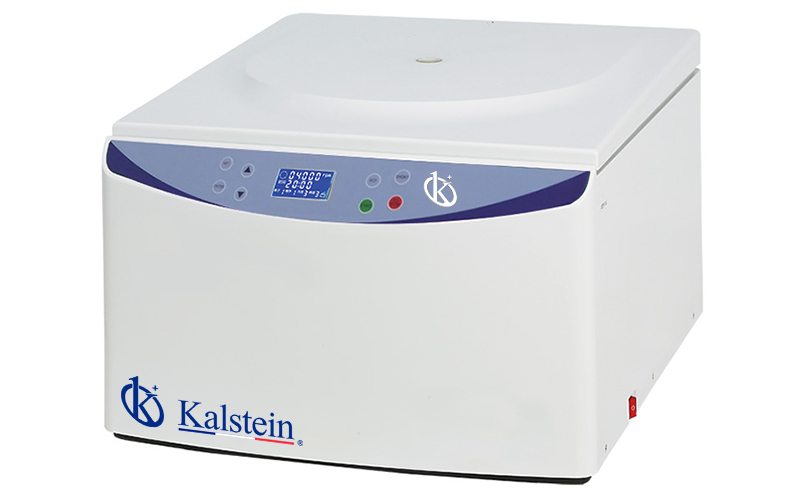
Gel Card Centrifuge YR142-3 – YR142-3-1
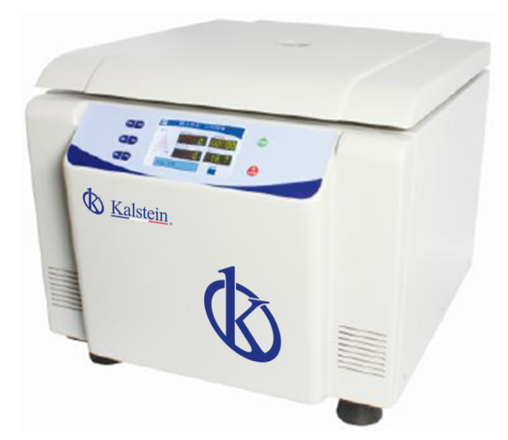
Tabletop High Speed Centrifuge YR0137-2 – YR0137-3
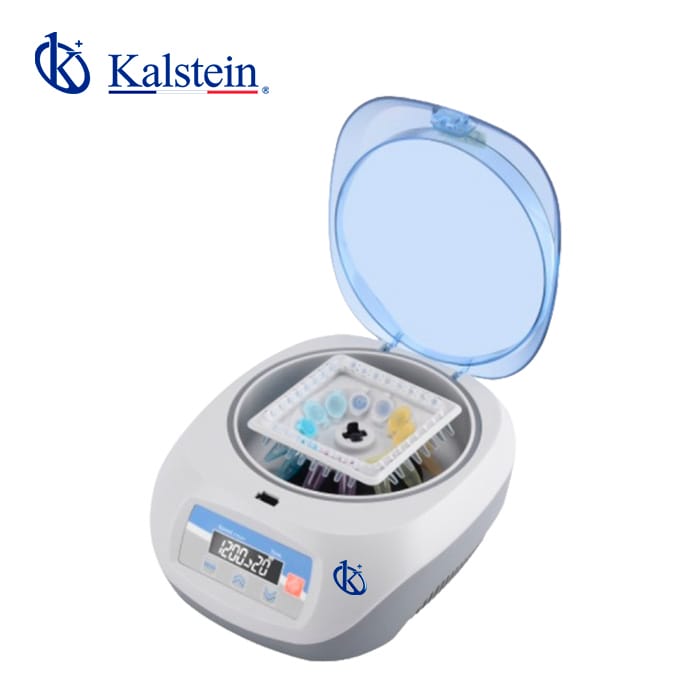
Mini Centrifuge With Large Capacity YR012G
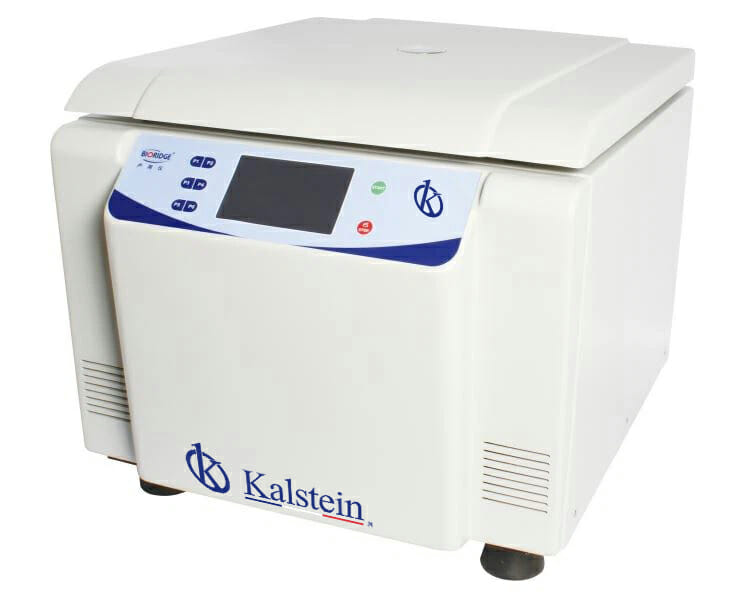
Tabletop High Speed Centrifuge YR019-TG
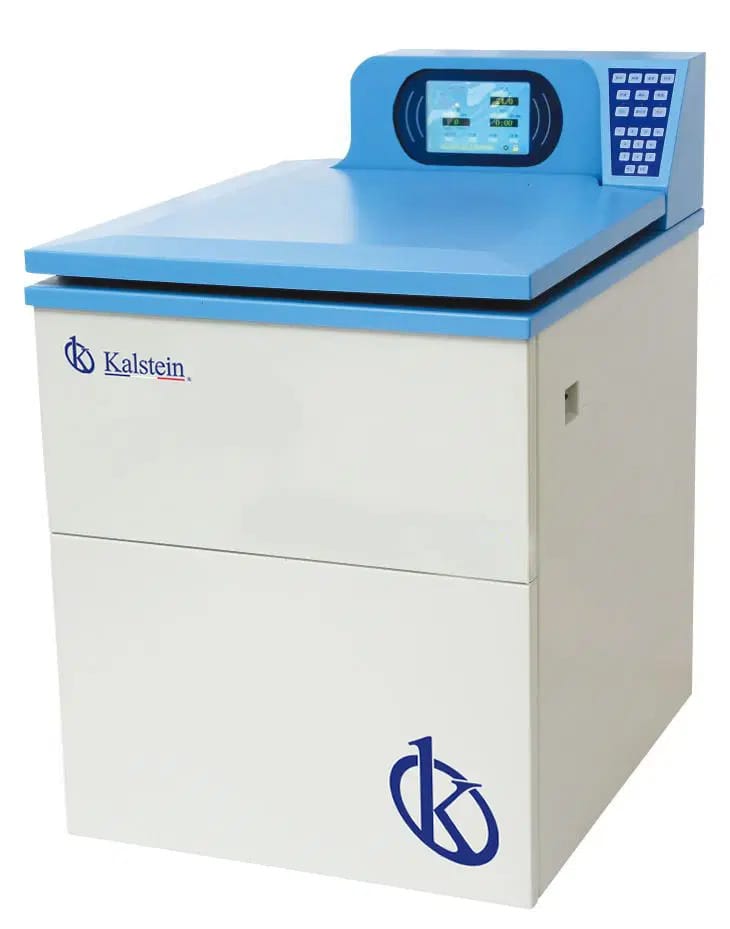
High-speed Refrigerated Centrifuge YR0111-1
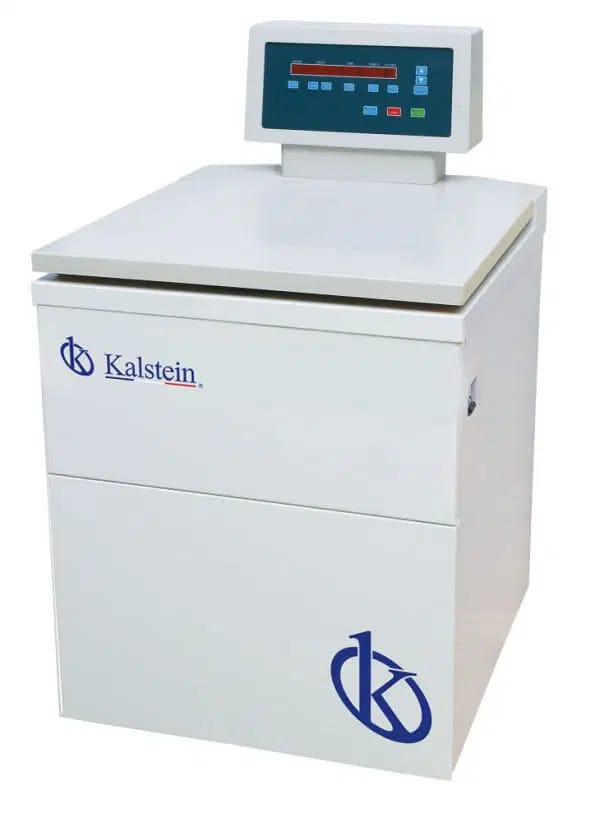
High-capacity Refrigerated Centrifuge YR120
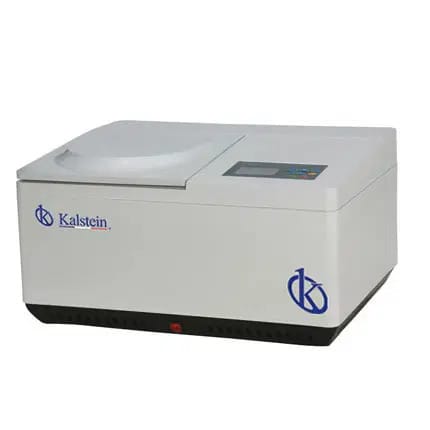
High-speed Refrigerated Centrifuge YR0126
Kalstein updated its centrifuge range with advanced features.
Explore detailed guides and expert insights on selecting optimal centrifuges.
Access our step-by-step guides and expert recommendations to confidently work with centrifuges like a true laboratory professional, ensuring optimal sample preparation and reliable results every time.
Comparative Analysis: Speed Table Centrifuge YR131 vs. Spin-X Centrifuge
The Speed Table Centrifuge YR131 by Kalstein stands out as a high-performance laboratory equipment known for its efficiency and reliability. Designed…
Unveiling the Laboratory Centrifuges: Precision and Innovation in Modern Labs
As an individual deeply familiar with the intricacies of lab equipment, I can confidently assert that the laboratory centrifuges from Kalstein stand a…
The Crucial Science Behind Modern Centrifuges
Centrifuges have become indispensable tools in various scientific and medical fields. These intricate devices facilitate the precise and effective sep…

The Rise of Centrifuges: Find Excellence at Kalstein
Centrifuges have paved the way for ground-breaking scientific discoveries and stellar research results, promoting efficiency and precision in laboratories around the world. As essential laboratory machinery, centrifuges play a pivotal role in the sep…

FAQs
The delivery time for your Kalstein product will depend on the following:
- Whether the equipment of your interest is in stock or if it needs to be manufactured.
- The type of freight chosen, which may be air or sea.
- Equipment in stock:
– Delivery Time (Air): 15-30 days.
– Delivery Time (Sea): 45-60 days.
- Equipment not in stock:
– Delivery Time (Air): 30-60 days.
– Delivery Time (Sea): 60-90 days.
You can place your order through:
- Email: [email protected]
- Phone: +33 (0) 1 70 39 26 50
- E-commerce: Through the official Kalstein website in your country.
At Kalstein, we provide our customers with induction and technical support through online methods. You can visit our induction videos, technical assistance, and guidance provided by the Kalstein team through our YouTube channel (Kalstein English). HERE.