
High Specificity Laboratory Equipment KALSTEIN Vs. SHIMADZU
KALSTEIN, as a notable manufacturer in the laboratory equipment sector, represents a safe choice for professionals who are looking to purchase high-performance scientific equipment. The KALSTEIN model YR01863/YR01864/YR01865 stands out in the market for its double-beam system (1200 lines/mm), which by itself is more efficient compared to other excellent models, such as the SHIMADZU UV-1780.
The Art of Choosing the Best Laboratory Equipment: Comparison between Kalstein and Tailin
In the world of laboratories, the equipment used can make the difference between a successful result and a not so satisfactory one. With such a broad and varied market, the task of selecting the most appropriate equipment can be overwhelming. For this reason, making comparisons between different teams becomes crucial for the purchase or sale of these indispensable laboratory instruments. This article will highlight the characteristics and technical specifications of the YR04947 and YR04948 models from Kalstein, compared to the HTY-DI1000D (ON LINE) from Tailin.
Kalstein Horizontal Laminar Flow Cabinets: A Golden Parameter in Modern Laboratories
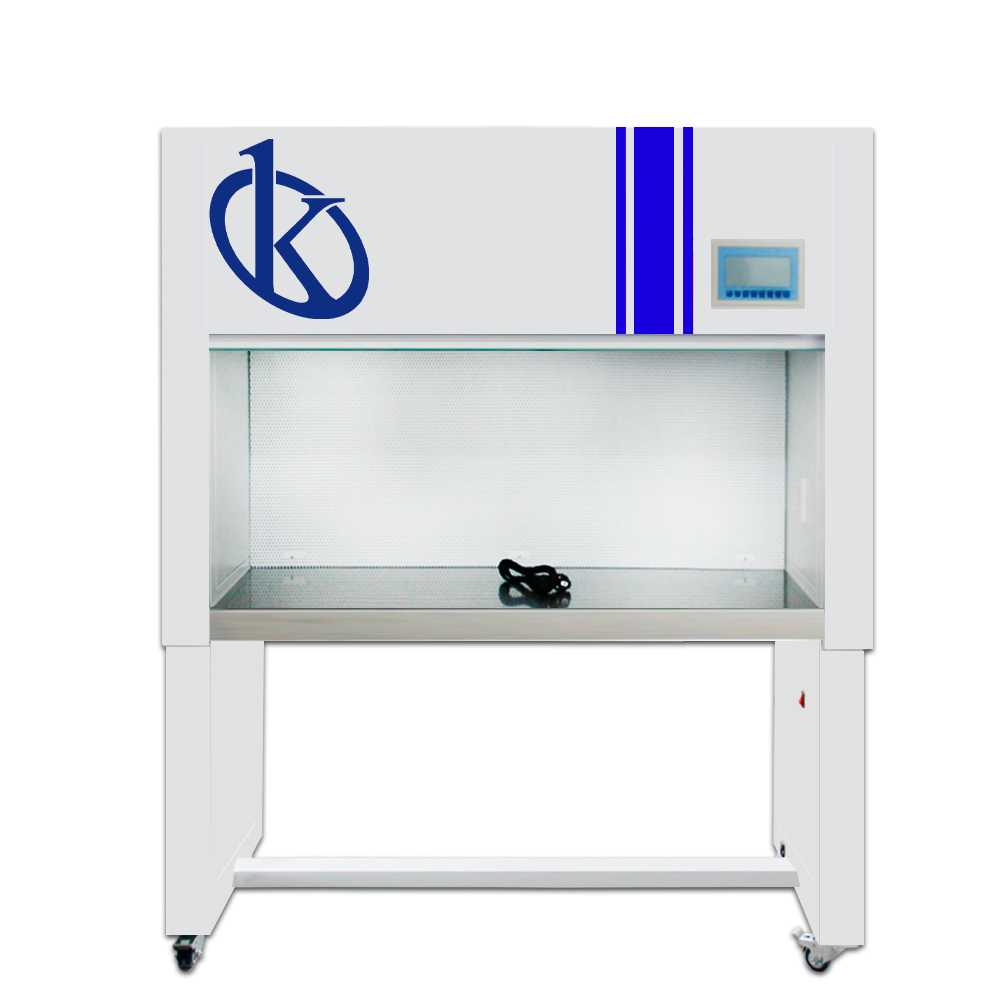
Laminar flow cabinets are vital to ensure the integrity of laboratory experiments. They dissipate air evenly through a HEPA (High Efficiency Particulate Air) filter, creating an immaculate, particle-free environment. In particular, the Kalstein brand horizontal laminar flow cabinet is a high-end resource that facilitates the safe and efficient use of cultures, samples and sensitive materials in laboratories.
Understanding the practical applications of the gel transilluminator
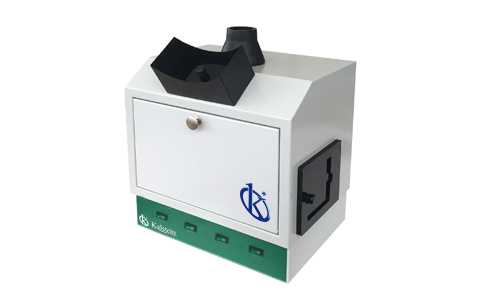
The gel transilluminator is a powerful tool that uses ultraviolet light to visualize nucleic acids and proteins stained on polyacrylamide or agarose gels. The device allows scientists to accurately detect the location and size of DNA or RNA fragments. This machine, which illuminates from below, brings up the signal invisible to the human eye and streamlines the process of analyzing genetic and protein information.
Improving your lab efficiency with the use of a gel transilluminator
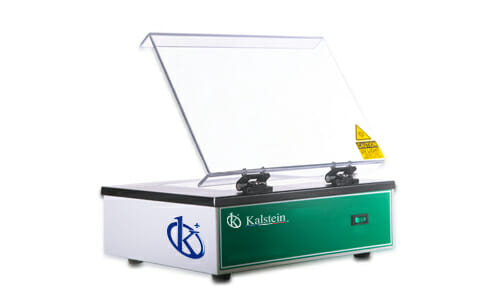
Transilluminators, also known as darkfield illuminators, are laboratory equipment that have the potential to significantly change the efficiency of your lab. They are often used in molecular biology experiments to visualize DNA and RNA fragments after performing techniques such as gel electrophoresis. But how exactly does a transilluminator work and how can it improve the operation in your lab?
Everything you need to know about transilluminator for gels
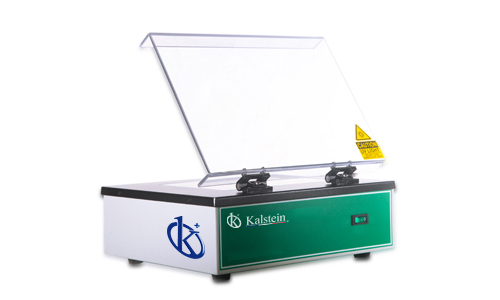
The transilluminator, also known as a backlighting device, is a machine implemented in various genetic and biochemical analyses to visualize compounds such as nucleic acids (DNA and RNA) and proteins previously separated by gel electrophoresis. This equipment works by emitting ultraviolet (UV) light or light of other wavelengths, depending on the type of stain used in the gel. This light passes through the gel, causing the labeled compounds to glow and become visible to the researcher.
How does a Transilluminator for Gels work?
The transilluminator is one of the most valuable devices in a molecular biology laboratory. This often underestimated device plays a crucial role in the visualization and documentation of agarose and polyacrylamide gels. But what exactly is a transilluminator and how does it work?
Improving Your Laboratory Efficiency with a Total Organic Carbon Analyzer
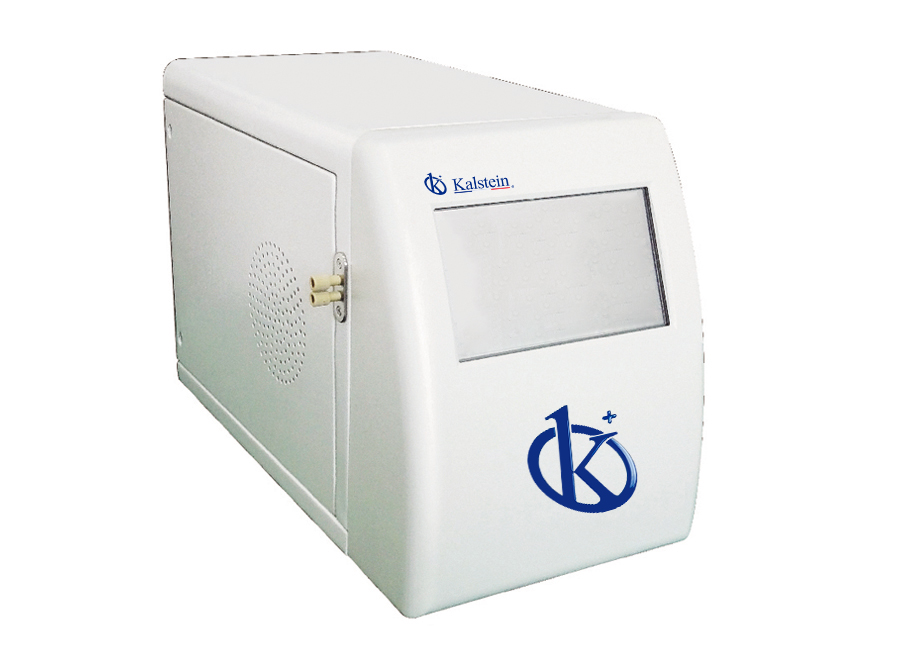
In modern science, a laboratory must be efficient, accurate and effective. To this end, the incorporation of cutting-edge technology such as the Total Organic Carbon (TOC) Analyzer contributes greatly. This device not only improves the quality of work, but also contributes significantly to laboratory efficiency.
Caring for Your Total Organic Carbon Analyzer: Effective Practices for Optimal Performance
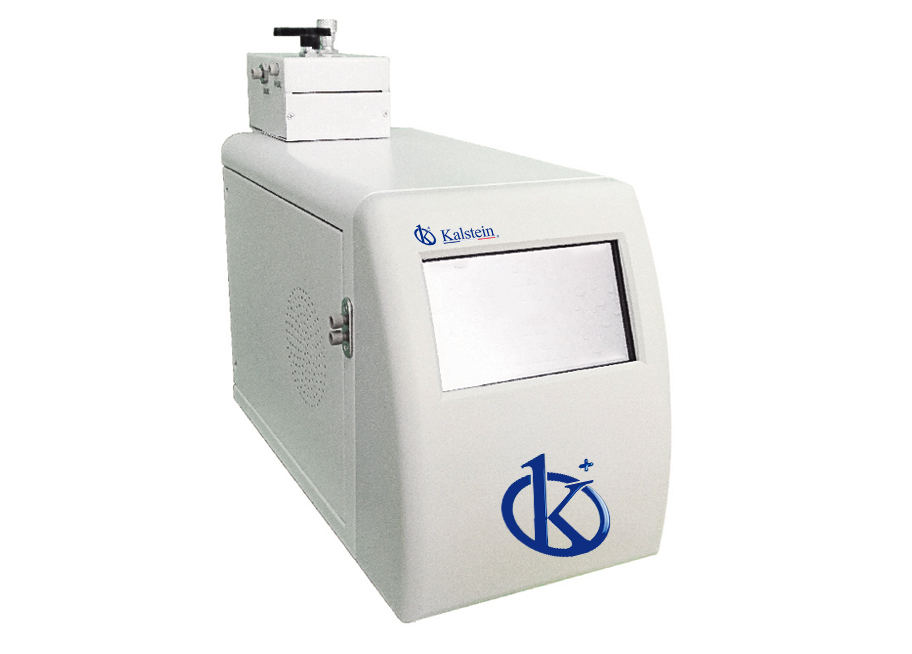
When analyzing water quality, one of the most crucial components to consider is total organic carbon (TOC). A Total Organic Carbon Analyzer is an exceptionally useful device for performing this task. Like any other sophisticated equipment, proper care and maintenance of these analyzers is essential to ensure the accuracy and efficiency of their operation.
Unraveling Total Organic Carbon Analyzer Performance in Laboratories
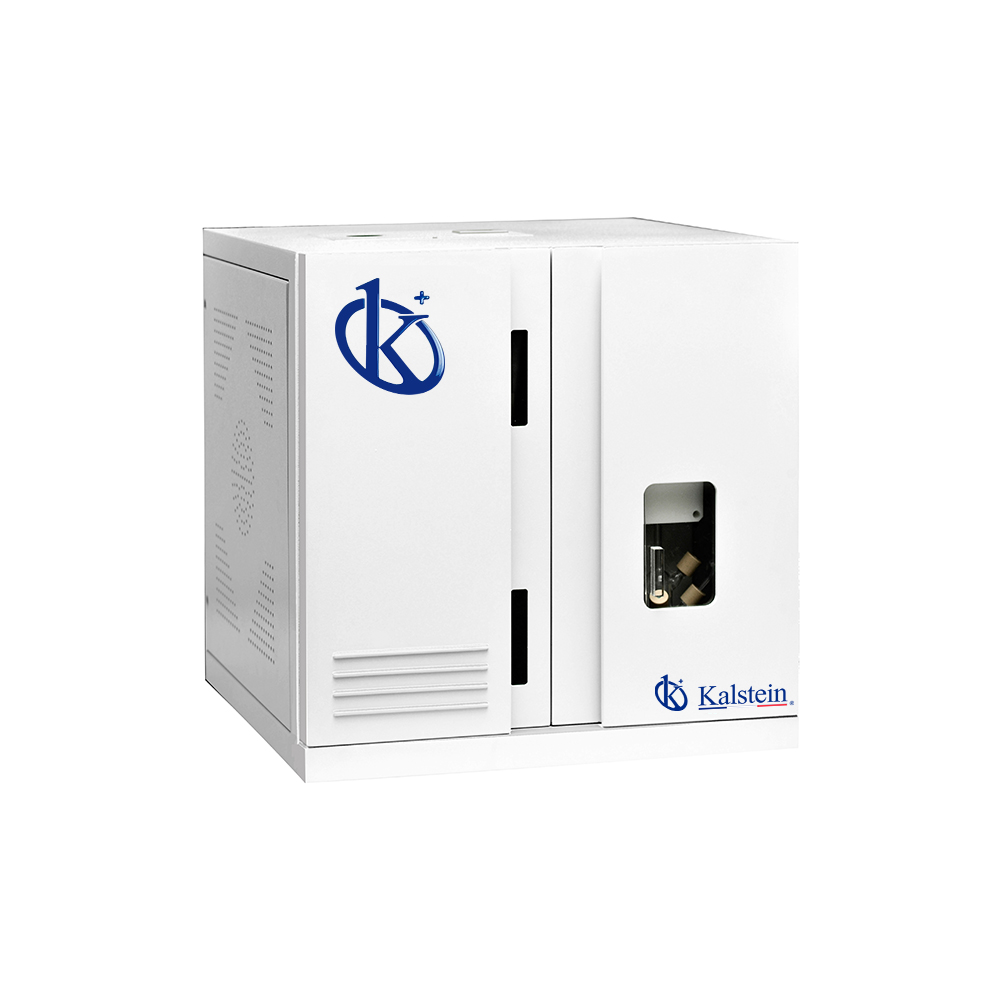
To monitor water quality and safety, industrial and research laboratories rely on an important instrument: the Total Organic Carbon Analyzer (TCOA). This equipment is a vital component of quality control procedures and sanitary supervision, as it helps to determine the amount of organic carbon present in a water sample.