
Benefits of Ultrasonic Cleaner for Dentistry

The ultrasonic cleaning system, is a mechanism used to sanitize parts regardless of size and complexity, causing effective solutions. Also, in the action of ultrasound, it operates by an effective chemical product, otherwise, it would only work at a small % of its possibilities, and depending on the dirt to be removed, an alkaline, acid or solvent product is used. Therefore, the cleaning products must be filtered, replaced or recovered when it is a solvent.
Why are ultrasonic cleaners used in the ophthalmic sector?
The ultrasonic cleaner is indispensable in ophthalmological practice, due to its proven efficacy in cleaning the instruments used in this discipline. The cleaning of instrumentation for ophthalmologic procedures should be a safe process, allowing the removal of all inorganic or organic residues, or any other contaminant, from the surface of the instruments prior to sterilization. Ophthalmic surgical instruments that are improperly sanitized can cause surgical infections, such as anterior segment toxicity syndrome.
Ultrasonic cleaners and veterinary medicine
In the practice of veterinary medicine, various medical procedures are performed both in the field and in the office. These routines include scheduled and emergency consultations, laboratory diagnostics, outpatient surgery and others requiring hospitalization, among others.
Ultrasonic cleaner How does it work?
An ultrasonic cleaner is a specialized equipment that allows to effectively clean delicate items or difficult to access areas. This equipment usually consists of a container, in which the object or objects to be treated are placed, immersed in a special liquid through which high frequency waves are propagated, generating an effect called acoustic cavitation through which an optimal cleaning is achieved.
How Physical Properties Affect Viscometer Measurement?

The physical properties of a liquid affect many aspects of its behavior, and that includes how those properties are measured. A viscometer is an instrument used to measure the viscosity of a liquid, and the main physical properties must be taken into account to ensure an accurate measurement. In this way, the viscosity measurement is reported for certain conditions, which may be normal conditions, or under the conditions of use of the substance.
Discovering the best-kept secrets of hematology reagents
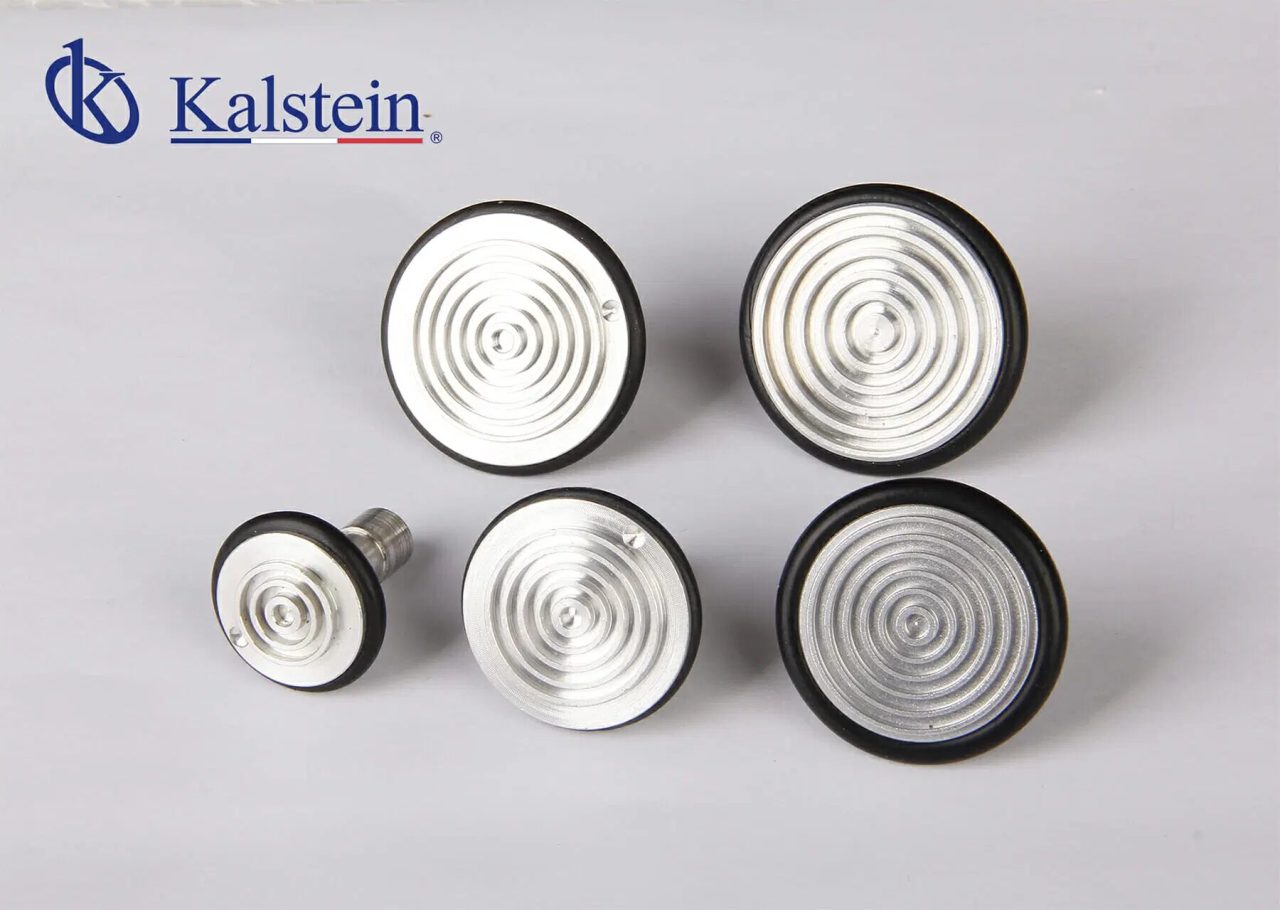
Hematology reagents are an integral part of diagnostic medicine; these are used to help physicians diagnose and treat numerous blood-related diseases, such as anemia, leukemia, lymphoma and many other serious diseases.
The basic steps to set up a modern laboratory

Technological advances have made laboratories the ideal place to carry out scientific and experimental research; setting up a modern laboratory requires large investments, but the results obtained in it will be unmatched; consequently, some basic steps can be outlined to set up a modern laboratory.
Studying Disease Outbreaks and Transmission Using Bloodborne Reagents
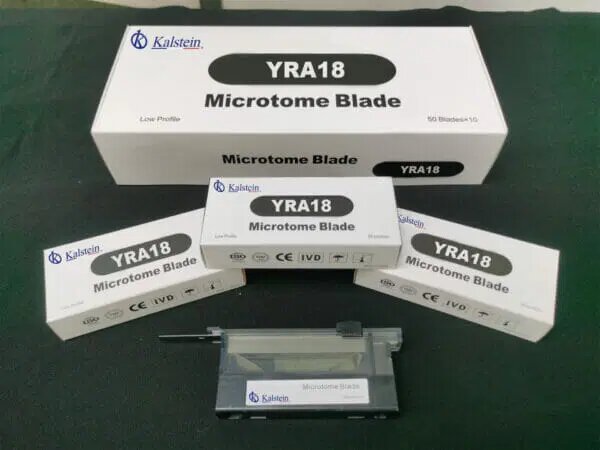
With the rise of antibiotic resistance and the rapid spread of infectious diseases, the study of disease outbreaks and transmission has become an increasingly important public health issue. However, the diagnosis and monitoring of infectious disease outbreaks is often difficult because of the many factors involved in their diagnosis and prevention. Therefore, it has become common practice to study disease outbreaks and transmission using blood reagents.
The crucial role of viscometers in industry

The crucial role of viscometers in industry is unquestionable. They are used to measure viscosity-related properties such as flow resistance, resistance to deformation for liquid, gaseous or solid materials. This ability allows viscometers to detect changes in flow and enable better control and analysis of materials. These tools are essential for many industries.
The basic principles of viscometers
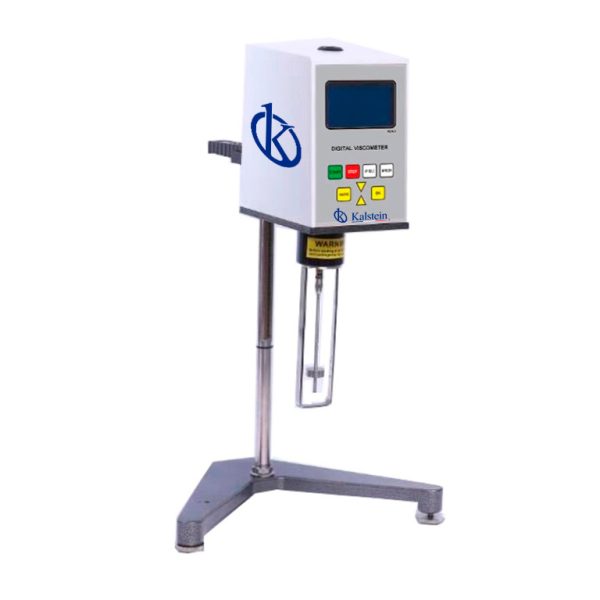
Viscometers are instruments used to measure viscosity, which is defined as the resistance to flow. They are used to measure physical characteristics of liquids and solids, such as viscosity, density and rheology. Viscosity is a physical property of materials and is measured with a viscometer. These instruments measure the opposition of liquids to flow. Viscometers are used in all fields, from chemistry to physics. The basic principles behind viscometers are easy to understand.