
Why should I use an Operations Desk?
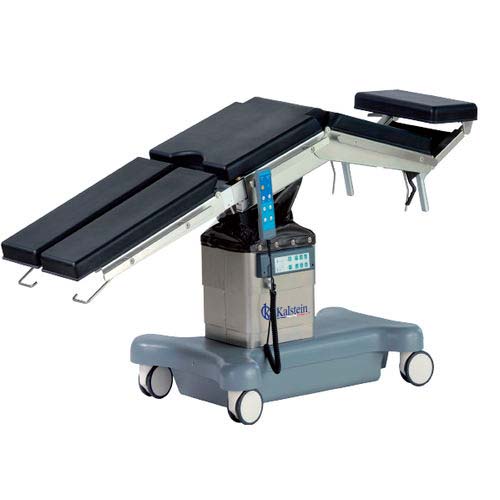
An Operating Table is a piece of equipment that is used to facilitate a variety of surgical procedures. This table is built with strong materials, such as stainless steel or aluminum, and is designed to provide a firm and safe surface. These tables are scientifically designed to provide maximum patient comfort and the best position for the surgeon during the procedure. They provide many clinical benefits such as increased safety and hygiene during procedures.
Use of Ultrasound Scanner in the Diagnosis of Kidney Diseases

Ultrasound is an imaging technique that uses high-frequency sound waves to produce images of structures inside the body. It is used to visualize muscles, tendons and ligaments; to evaluate the health of organs; and to detect abnormalities in blood vessels.
The application of ultrasound in the diagnosis of cancer
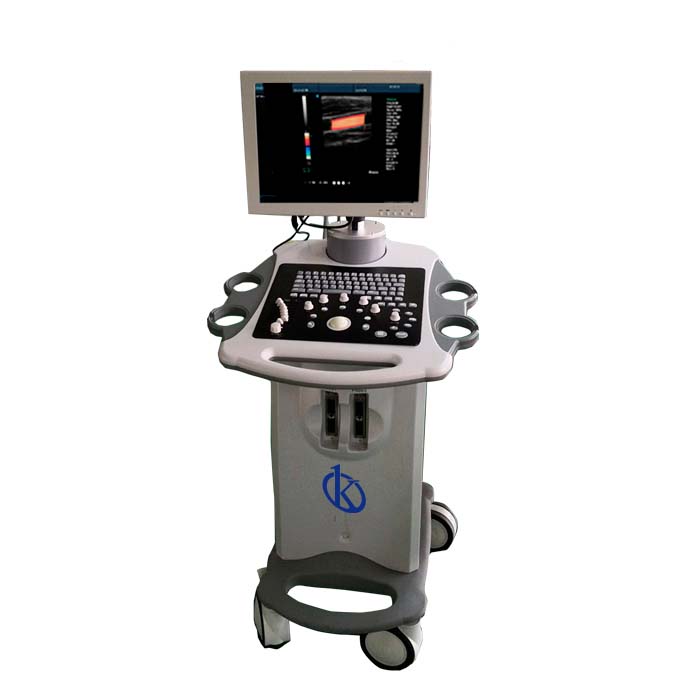
Medical ultrasonography is an extremely useful tool for diagnosing cancer. Ultrasound can be used to examine almost any part of the body, and is particularly suitable for examining soft tissues. Ultrasonography is painless, noninvasive, and does not involve radiation.
How can the use of a Heating Plate be optimized?
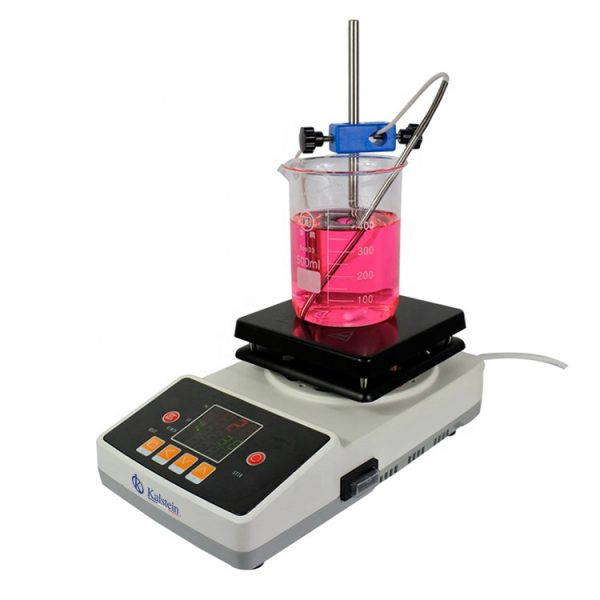
A plate heater is an electric heating device used in the laboratory to heat materials to a specific temperature. The heating plate is generally composed of a flat metal surface on which the material to be heated is applied. Heat is produced by the plate’s electrical resistance to the electricity that flows through it.
Safety in the use of Muffles in the Laboratory
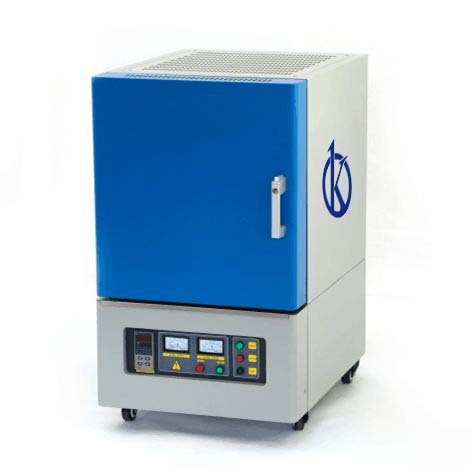
Muffle furnaces are typically used for higher temperature applications where contact with combustion products would damage the material being heated. Muffle furnaces can reach temperatures above 2000°F (1100°C). They are built with a variety of materials depending on the application. The most common materials are stainless steel. It is typically used in corrosive environments or when other materials are not suitable. Stainless steel muffles are usually lined with refractory brick or ceramic fiber.
The most common errors when measuring conductivity in the laboratory

Conductivity meters are used to determine the amount of salts in the water. These instruments send an electrical current through the water and then measure the resistance to electricity. As the concentration of salts in water increases, electrical conductivity also increases. Water that does not contain salts, such as rain or tap water, has very low electrical conductivity. For this reason, conductivity meters are useful for determining whether water is contaminated with salts. Conductivity meters can be used to measure groundwater, surface water, wastewater and seawater.
Conductivity applications

A conductivity meter is a scientific instrument used to measure the electrical conductivity of a solution. The results obtained from a conductivity meter are useful in a number of different scientific fields, including chemistry, biology and medicine.
What types of experiments can be performed in a laboratory incubator?

An incubator is a device that creates optimal conditions for biological samples to grow and develop. In a laboratory setting, incubators are used to grow cells, bacteria, or other microorganisms as well as to grow tissue samples and store laboratory equipment and supplies. They come in a variety of sizes and designs, and can be used for a range of different types of experiments.
How can sterilization be maintained in a laboratory incubator?
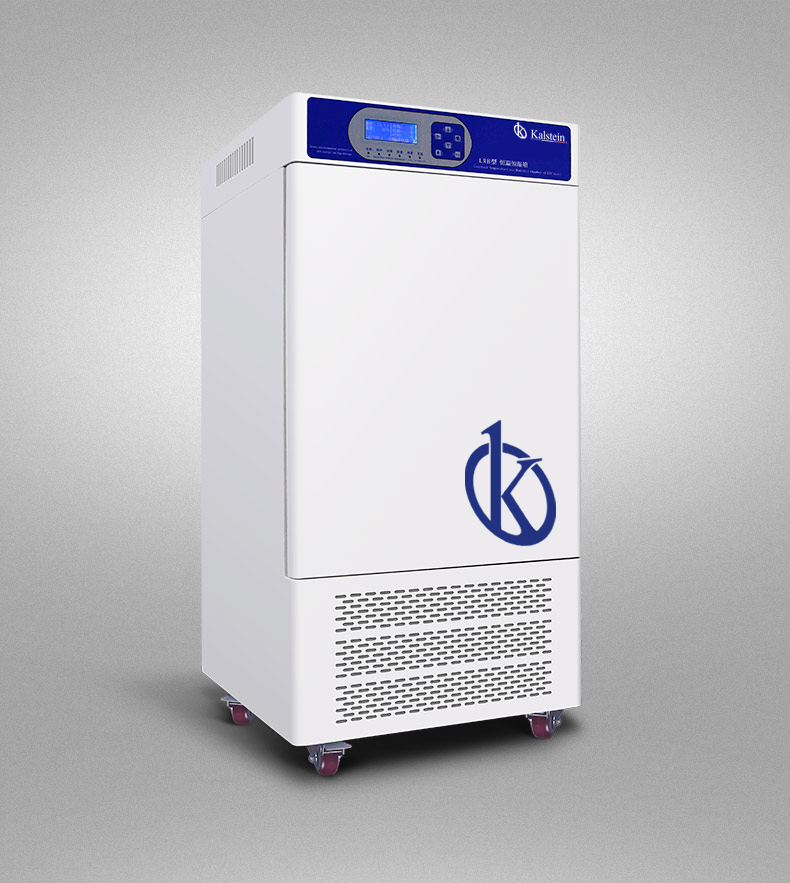
Sterilization is the process of removing all forms of life and organic matter from an object or surface by means of heat, chemicals, or radiation. Sterilization in a laboratory incubator is important to maintain an aseptic environment for cell or microorganism culture. The most common method is ultraviolet irradiation, as it is effective and does not damage equipment.
How does a Lab Incubator work?
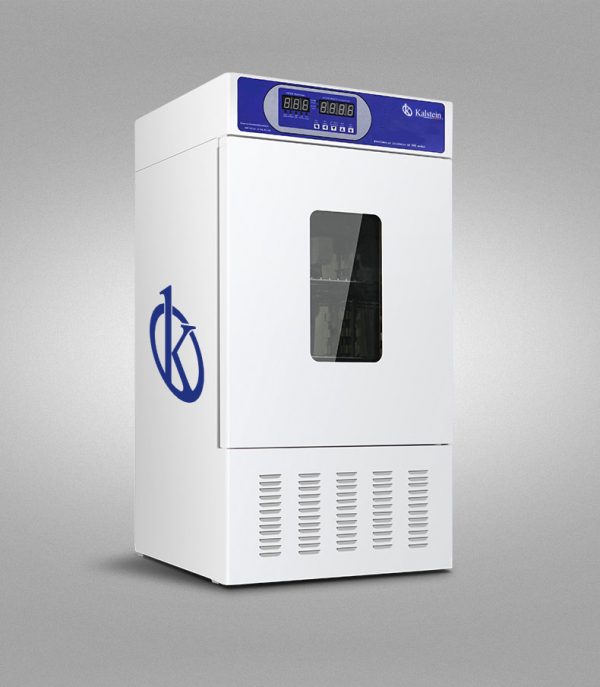
Laboratory incubators are a crucial tool in changing scientific research and product development. However, many people don’t know how these machines work. This is understandable, as incubators are simple and sophisticated. They are responsible for maintaining a controlled environment to allow samples and cells to be grown under ideal conditions, this is very important, as cells are very sensitive to the environment in which they are found. They allow scientists to experiment with samples in a controlled environment, but they can also be used to keep cells alive and in good condition.