
Using the tissue processor to diagnose Marfan syndrome

This disease is an inherited disorder of connective tissue, in which the collagen matrix is affected. Clinical presentation and severity of Marfan syndrome vary widely, ranging from isolated features to neonatal presentation of a severe and rapidly progressing disease involving multiple organ systems.
What are the differences between Bacticinerador and the Lighter?
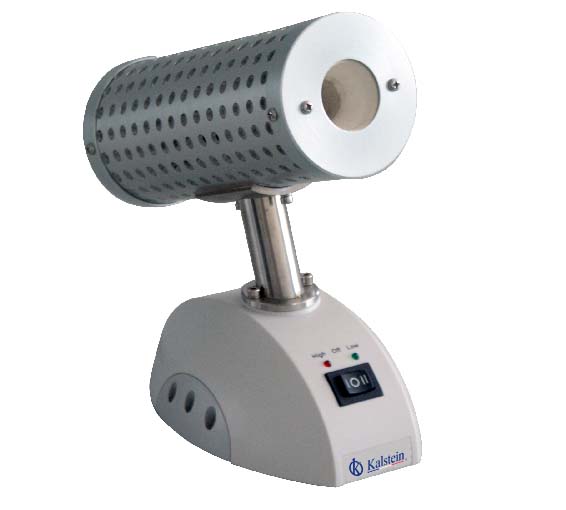
Currently, lighters are applied in laboratories around the world, for the sterilization of flasks. However, through the integration of sterilizers such as the Bacticinerador, their functions are different and they are in charge of disinfecting the handles for microbiological tests, besides being modern and has been relegating the Burner Bunsen to the role of an auxiliary medium, although still with great presence in the laboratory practices of many academic disciplines.
What are the Sterilization Systems offered by the Bacticinerator?
Firstly, all laboratory equipment and instruments are exposed to be contaminated by microorganisms, something that cannot happen if you want a correct use according to the sanitary regulations that must be practiced within these spaces. It is important not to confuse cleaning with sterilization, which are processes that can be combined but have different characteristics that need to be noted.
Benefits of Bacticinerator for Microbiology tests in the Laboratory
The work of the microbiology laboratory is to identify precisely, firmly and quickly the responsible agents at the species level, and identify their patterns of antimicrobial resistance. Thus, standard microbiologic methods remain consistent in providing rapid identification and susceptibility testing.
Safety measures for the use of the Bacticinerator in the laboratory
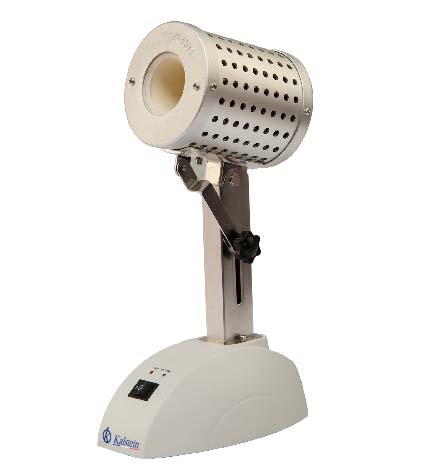
It is important to comply with security measures, because it is not only the right way to work, it is the only way to do it. Therefore, working in a laboratory involves the use of equipment and other elements, whose dangers are mandatory to study them to prevent in all aspects. Reflecting on safety measures in the laboratory is a formal requirement, since the risk of accidents such as burns, poisoning, fires or electrical shocks are always present.
Bacticinerator Characteristics
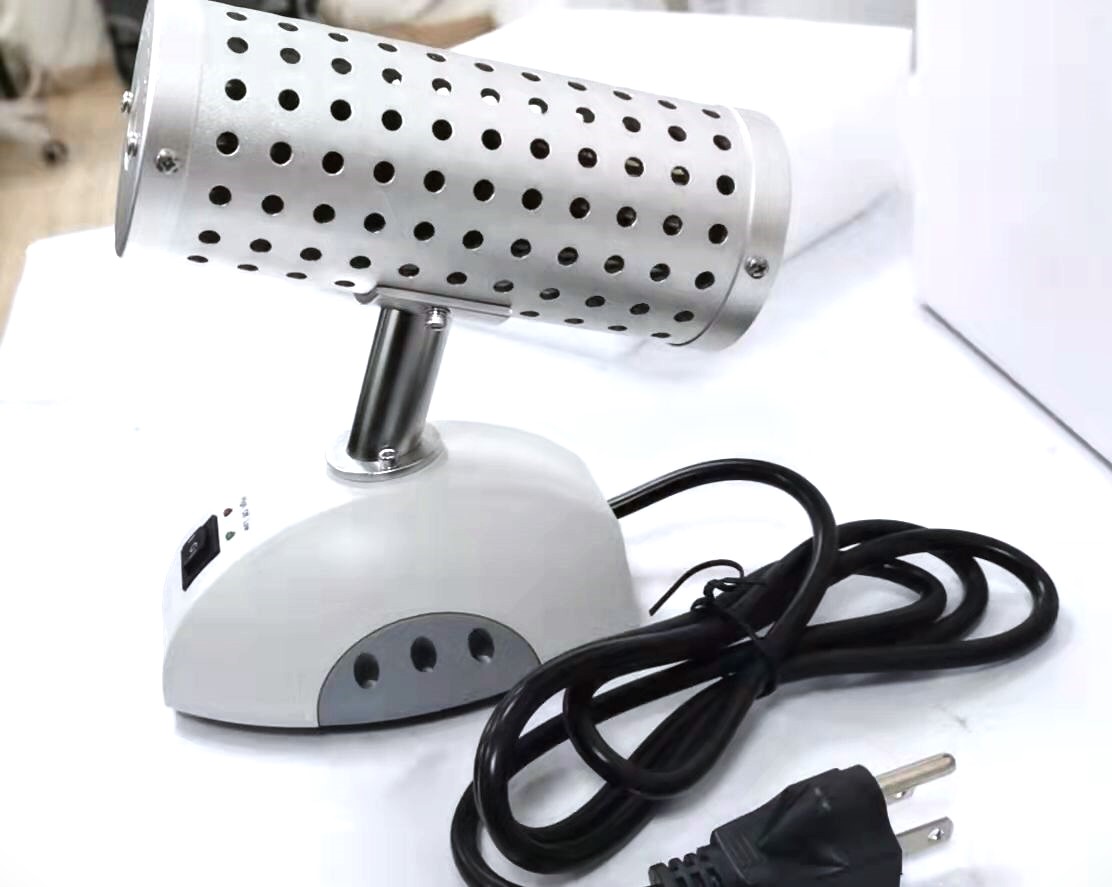
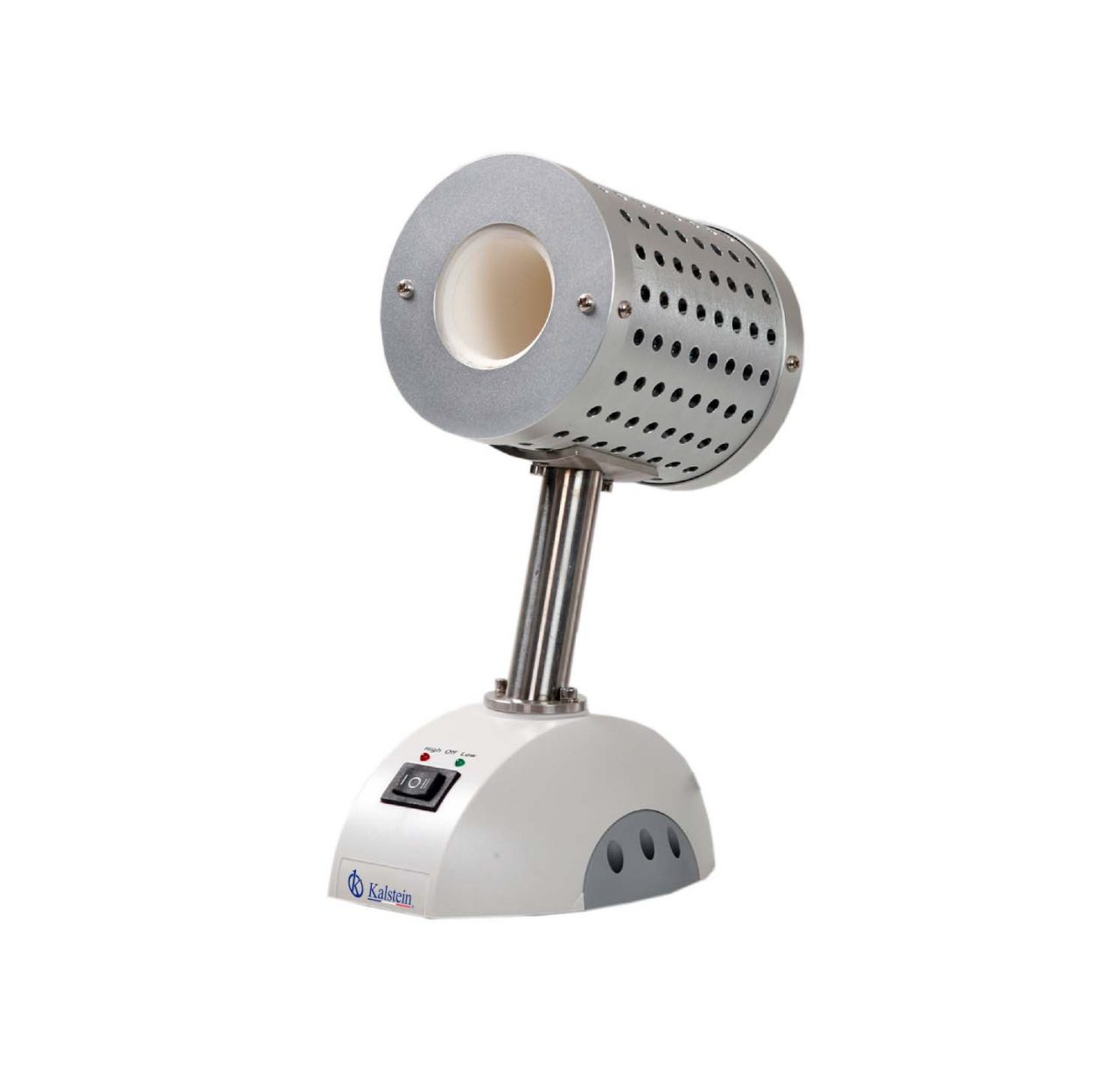
The Bacticinerador sterilizer is a gas-free, flameless laboratory instrument for use with microbiological needles and inoculation handles. It achieves sterilization through infrared heat without dangerous splashing of microorganisms, to comply with widely fundamental antiseptic techniques in the field of microbiology.
What are the Bacticinerator Applications?

For the sterilization of the handles used in microbiology laboratories, the use of the Bacticinerator is ideal. This disinfects handles made of platinum, needles, glass tube/pipette nozzles, and various glass and metal instruments by incinerating at temperatures between 500 °C to 815 °C or more. These processes succeed in eliminating pathogenic and non-pathogenic microbial load from culture instruments. In this sense, the Bacticinerator is applied in food, pharmaceutical and / or cosmetic industries; passing and diluting samples up to 1g, avoiding microbial contamination.
Why is a bacti-cinerator important?

A bacterium-incinerator is a device used in microbiology laboratories to sterilize instruments, consisting of a ceramic tube surrounded by metal and with a hollow portion in the center. When ignited, the bacti-incinerator can reach temperatures around 800 degrees Celsius, enough to incinerate any organic material in an inoculation roast.
What are the techniques for food analysis with the use of shakers?

In order to address the techniques where agitators are used within the methods for food analysis, it is necessary to know the meaning of the term “food”, by which is understood any substance that is consumed for its nutritional value.
Why is Shaker Agitator important in the laboratory for drug manufacturing?
Medicines can be found in a wide variety of pharmaceutical preparations, which makes the same active ingredient found in different products, such as tablets, drops or capsules. Each of these pharmaceuticals has its own characteristics which influence the dose, time of administration and duration of treatment.