
Laboratory Turbidimeter: What are the different types that exist?
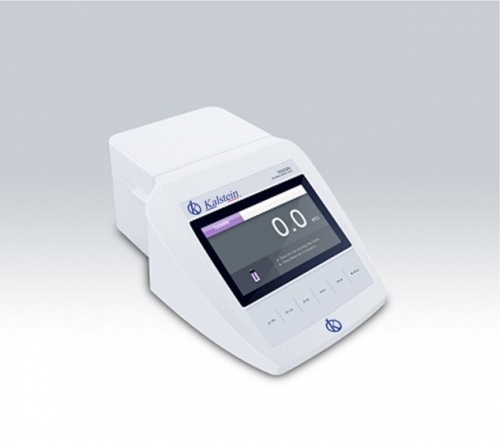
These devices allow us to measure the turbidity of water, being turbidity an indicator of water quality, once the turbidity level is established the appropriate treatment to transform it into quality water such as coagulation, filtration and decantation; turbidimeters are designed to measure water quality, these instruments provide reliable and accurate readings, even in those cases where turbidity is within the lowest parameters.
Why is it necessary to use a lyophilizer in a laboratory?
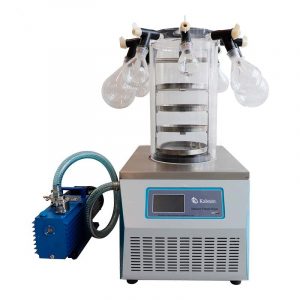
A lyophilizer is a laboratory instrument used to carry out the process of lyophilization, since this equipment is designed to remove moisture from a product by drying it cold, thus generating a completely dehydrated product that can be rehydrated when needed to use, without losing its common properties.
Organic chemistry: How do you operate a rotary evaporator?
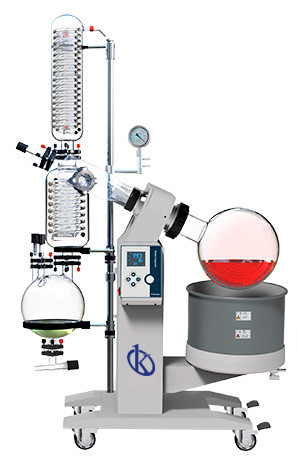
Organic chemistry is the branch of chemistry that is responsible for the study of the structure, properties, synthesis and reactivity of chemical compounds formed mainly by carbon and hydrogen, which may contain other elements, usually in small proportion as oxygen, sulfur, nitrogen, halogens, phosphorus, silicon. That is, organic chemistry is the study of organic substances and compounds, being the constituent compounds of the different forms of living beings on our planet.
What is a recirculation chiller used for?
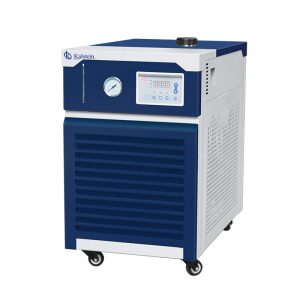
A recirculation chiller is laboratory equipment that is a high-efficiency closed cooling system used in various external cooling applications. These devices are especially ideal for laboratory applications that require continuous use.
Documentation of electrophoresis gels: How do they work?
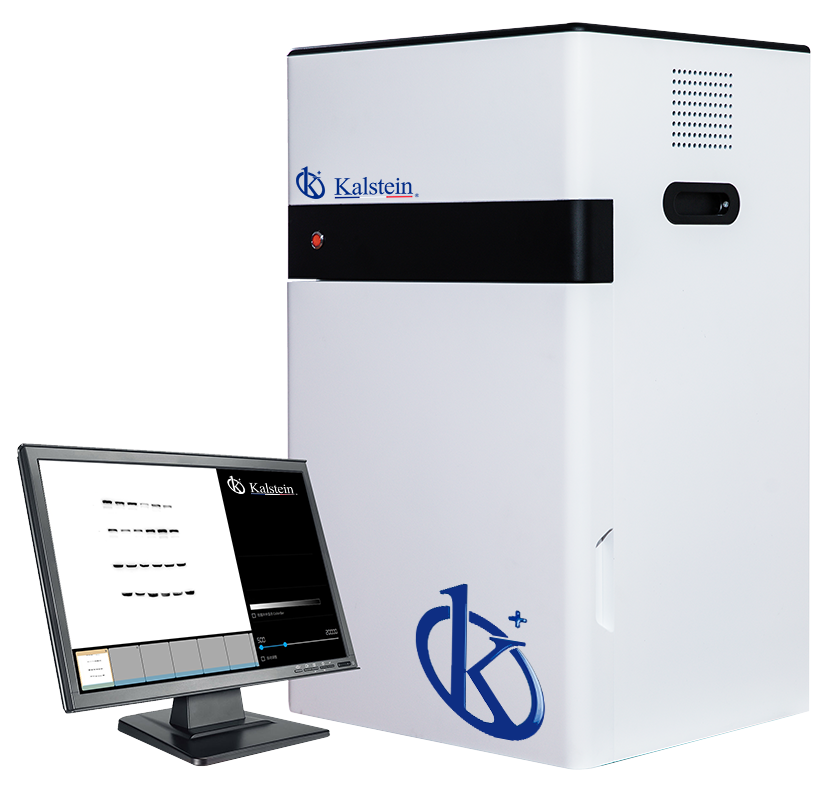
A documentation system of electrophoresis gels consists of a composite equipment that is used to observe, take photos and analyze the bands of the gels that are generated from electrophoretic runs. Innovative equipment with state-of-the-art technology is designed to produce sharp, high quality images, which in turn provides better analysis and provides the user with a results backup system. Using a gel documentation system saves reagents and time.
What is an X-Ray Microscope?
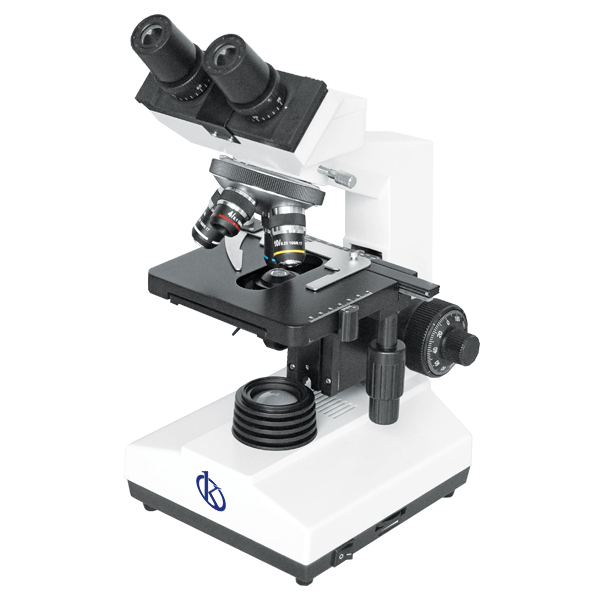
Initially, microscopes have been commercially available for almost 70 years and exist today all over the world, being handled in both biological and non-biological materials, therefore, every advancement in microscopic techniques has linked scientists to innovative configurations about the work of living organisms and the nature of matter itself.
What is an Atomic Force Microscope?
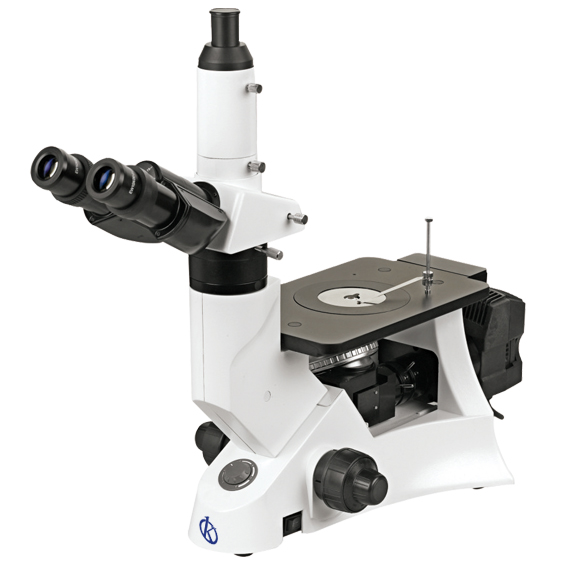
It is a mechanical-optical laboratory equipment, designed to show forces of order of the nanonewtons, for the determination and appreciation of various extensions of the sample, capable of continuously exploring its appearance by means of a probe or sharp tip of pyramidal or conical shape.
What are the Main Applications of Climate Chambers?

Climatic chambers are units used in laboratories, research centers and universities to carry out studies or tests and check the behavior, durability, quality of products and materials exposed to these climatic conditions.
Light Box Color Evaluation Cabinets: What is your utility?
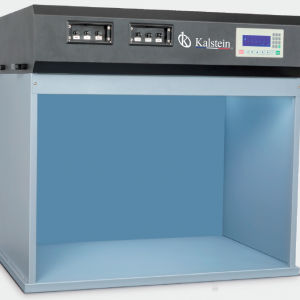
The color evaluation cabinet is a tool that allows simulating from different light principles, the objective evaluation of shades at any time and from any perspective. The cabinets are equipped with 5 light sources, which have the consistency of light sources and provide excellent viewing scenarios, to take reliable critical color measurements under constant lighting.
What are the Functions of a Bacti-Cinerator?

The use of lighters was the ideal equipment for sterilization within the laboratory. But today, with the existence of the Bacti-Cinerator, it became the appropriate instrument to disinfect the handles used in laboratories.