
Laboratory refrigerators: What is the optimal blood storage temperature? and why?

A laboratory refrigerator is a device that allows the effective preservation of all types of substances refrigerated in it, whether liquid, solid or homogeneous. This equipment works by lowering the temperature, so it allows to control the effect that it has on the substances whose composition and structure is to be preserved, this is because the lower the temperature will be the rate at which chemical and metabolic reactions occur, which deteriorate the compounds. That is why they are used in the conservation of blood and derivatives, biological liquids and tissues, reagents, chemicals, and bacterial strains.
ICE Maker: different types for hospitals and laboratories
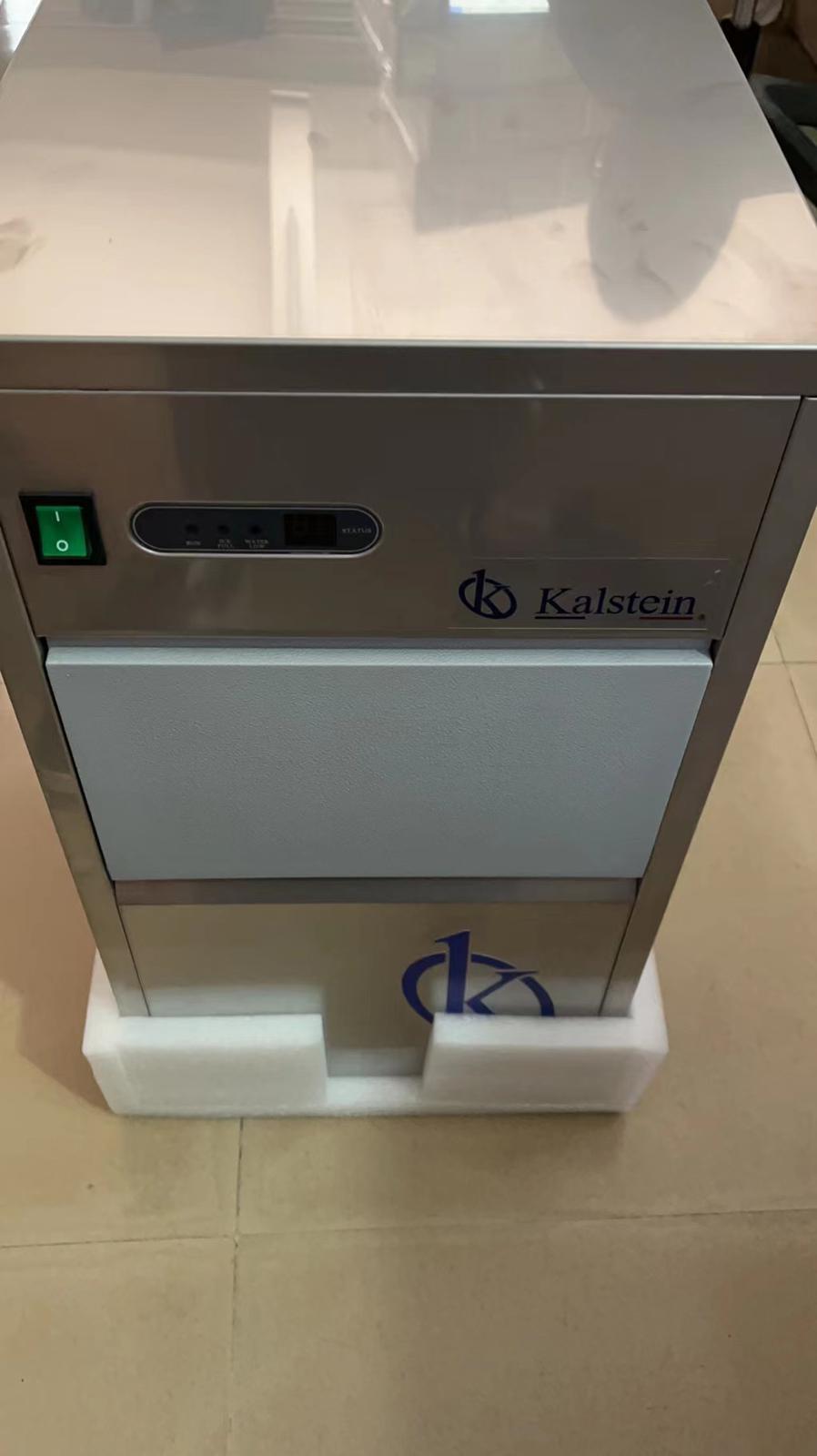
This ice-making machine, its process is based on making ice cubes from moving water, which consequently removes air and suspended solids. This results in ice of great firmness and in very little time.
Gel documentation systems: steps for use
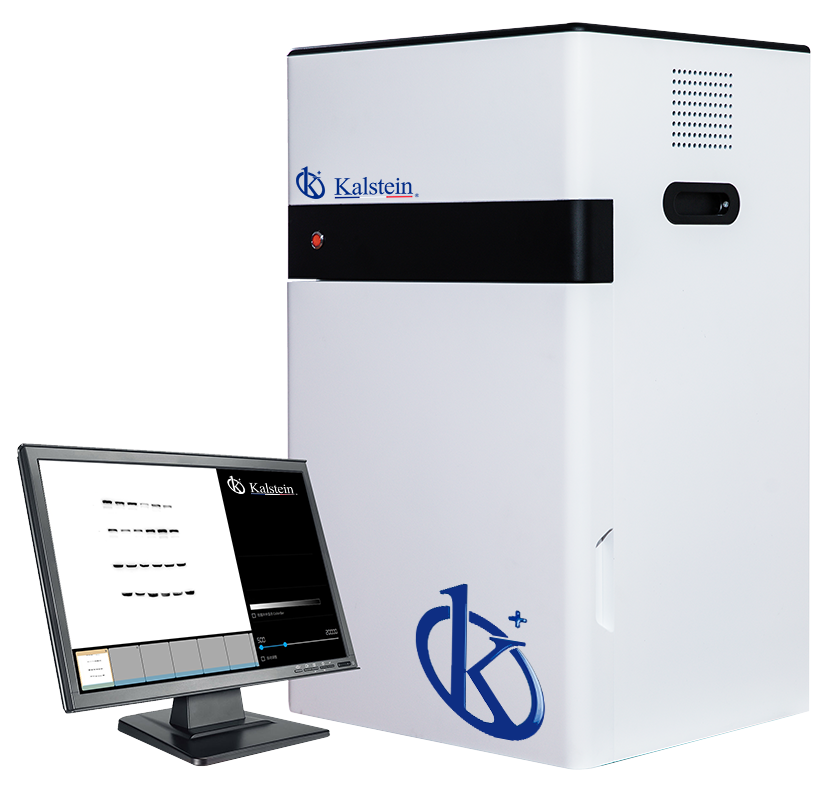
Gel documentation systems are one of the main supports of research and analysis of results, which undoubtedly makes it indispensable in areas such as molecular, cellular, biochemical biology; Because of this, high resolution and multi-image recognition systems are required, the gels procedure requires greater sensitivity to ensure accurate and efficient results.
Infusion pumps, types and uses

Infusion pumps are medical devices that are used in order to generate mechanical pressure to move a fluid through a tube towards the patient’s vascular system, thus allowing the administration of medicinal fluids with more precision. This medical equipment plays a fundamental role in the technological devices that are used in a surgical operation, especially in the induction and maintenance of total intravenous anesthesia, but also in the administration of necessary medication for the patient while he is in the operating room in the operating room.
Spectrophotometer, types and parts

A spectrophotometer is a laboratory instrument used to measure the absorbance of a sample as a function of the wavelength of electromagnetic radiation and thus to determine the concentration of substances in a solution. In other words, it makes it possible to know the concentration of substances in a solution and thus to analyze them from a quantitative point of view.
PH meter: what is it used for?

A pH meter is a laboratory instrument for scientific use, which measures the activity of the hydrogen ion in aqueous solutions, indicating its degree of acidity or alkalinity expressed as pH, is used in laboratories and in multiple other fields or areas; a pH measurement can be obtained using pH indicators or tapes, or meters such as pH meters, portable meters or pH electrodes.
Horizontal autoclaves with drying and without drying, uses
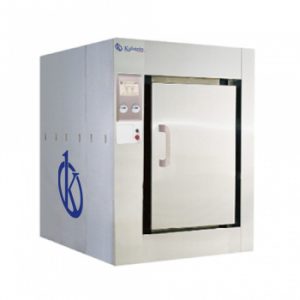
These models of horizontal autoclaves are used in large-scale sterilization applications, specially designed to sterilize surgical equipment and instruments, in addition to having other uses depending on the industry where they are used; of this type of autoclaves we can find with drying and without drying, each with certain characteristics and medical and industrial uses.
Horizontal autoclaves with drying and without drying, uses
These models of horizontal autoclaves are used in large-scale sterilization applications, specially designed to sterilize surgical equipment and instruments, in addition to having other uses depending on the industry where they are used; of this type of autoclaves we can find with drying and without drying, each with certain characteristics and medical and industrial uses.
Dissolved Oxygen Meter: how it works
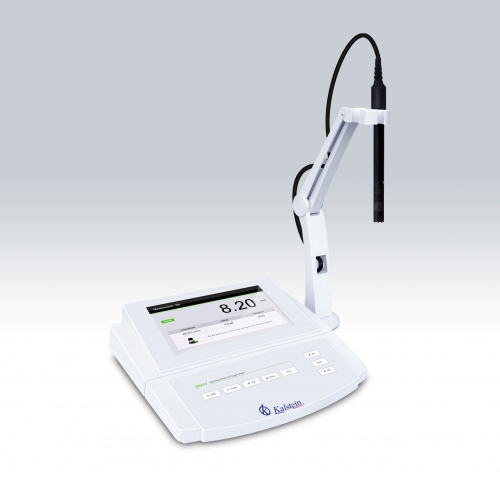
Let’s talk about dissolved oxygen (DO); is the amount of gaseous oxygen that is dissolved in water, all aquatic life depends on dissolved oxygen in water, the greatest amount of oxygen is obtained from the atmosphere, there are a variety of factors that influence the concentration of dissolved oxygen in water are: atmospheric pressure, salt content in water and water temperature.
Microtomes: different types that exist and for which they are used?

This equipment specially designed for the sectioning of samples that have been treated with paraffin, allow the cutting in extra thin layers, which facilitate observation in the microscopy, there are different models of these equipment that perform special cuts; where the angle of the blade and the direction of the cut prepare the samples to be examined with quality.