
Different types of shakers in a laboratory

Shakers are laboratory equipment used in order to stir or mix liquids, as well as to prepare solutions and suspensions. These equipments create a movement between liquids or between liquids and solids in order to achieve processes of mixing, suspension, dispersion, homogenization, heat transfer, among others.
Turbidity Meter: What does it measure?
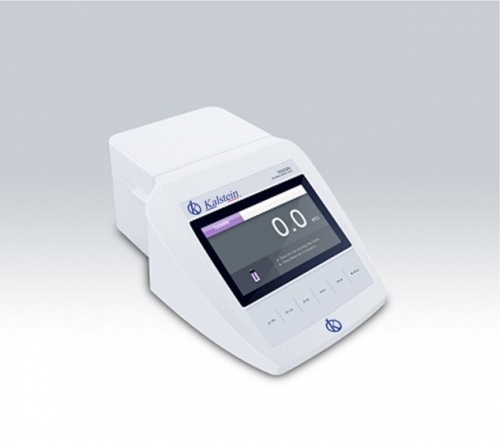
To know the degree to which water loses its transparency, it is necessary and indispensable in the quality of drinking water; for the measurement of turbidity the use of a beam of light is required, this is known as the incident light beam, with defined characteristics, to be able to determine the semi-quantitative presence of particulate matter present in the water or any sample of fluids.
What should you know about a laboratory homogenizer?

A homogenizer is a laboratory device, which allows the homogenization of different types of materials; such as tissues, food, plants and other biological or chemical elements. The main types of homogenizers are grouped into three broad categories: mechanical, ultrasound and pressure.
What is the function of a laboratory homogenizer?
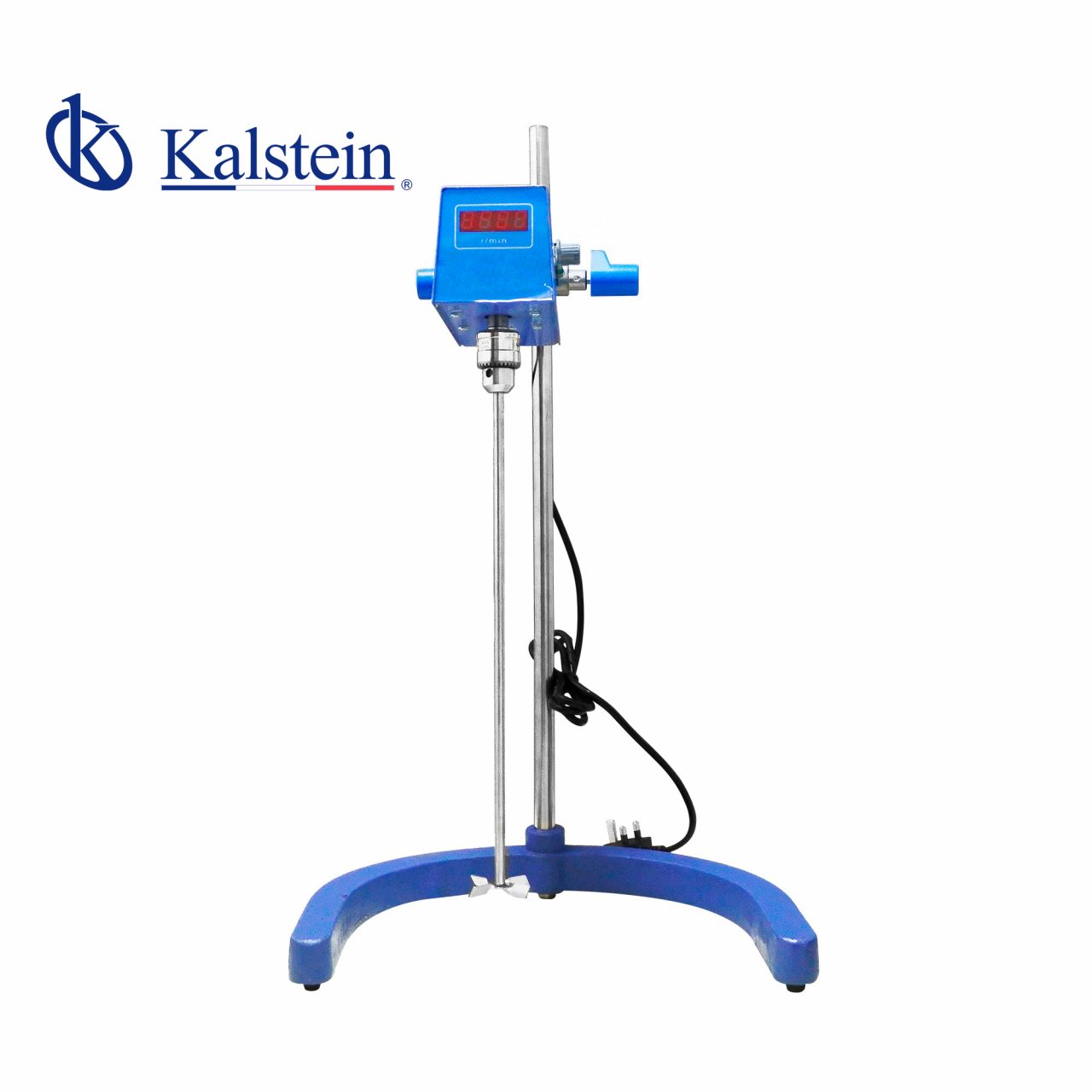
A homogenizer is a very important device among the components of a laboratory, since it allows the homogenization of different types of materials; such as tissues, food, plants and other biological or chemical elements.
How does a homogenizer work?

The homogenizer is laboratory equipment that is used for the homogenization of a variety of materials, such as tissues, plants, food, soil, and many others. Being homogenization the mixing process that seeks that the processed substance has the same properties in its entirety, it can be said that the homogenizer is the instrument created to make it possible. In biology and biochemistry, homogenizers are used for the disintegration of tissues and for the rupture of cells, with the least possible damage to the plasma membrane. The homogenizer process will depend on the samples that the researcher is going to mix and how he will use it.
Homogenizer in a laboratory: When is it necessary?
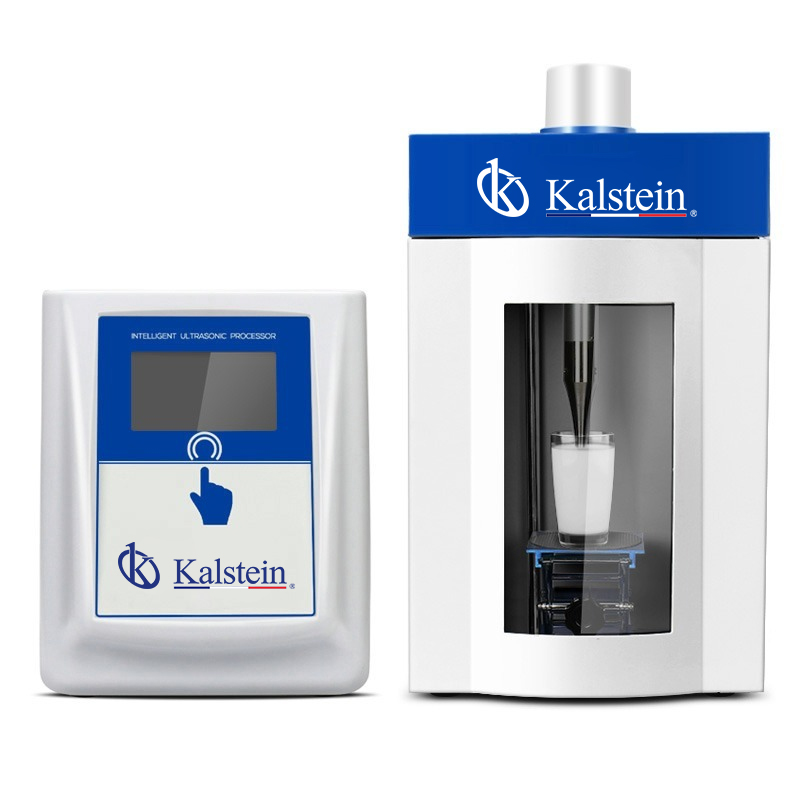
A laboratory homogenizer is equipment that is used to homogenize various samples, that is, it is commonly used in laboratories to mix substances, in order to create soluble suspensions or double emulsions.
Laboratory homogenizer, what are the different types?
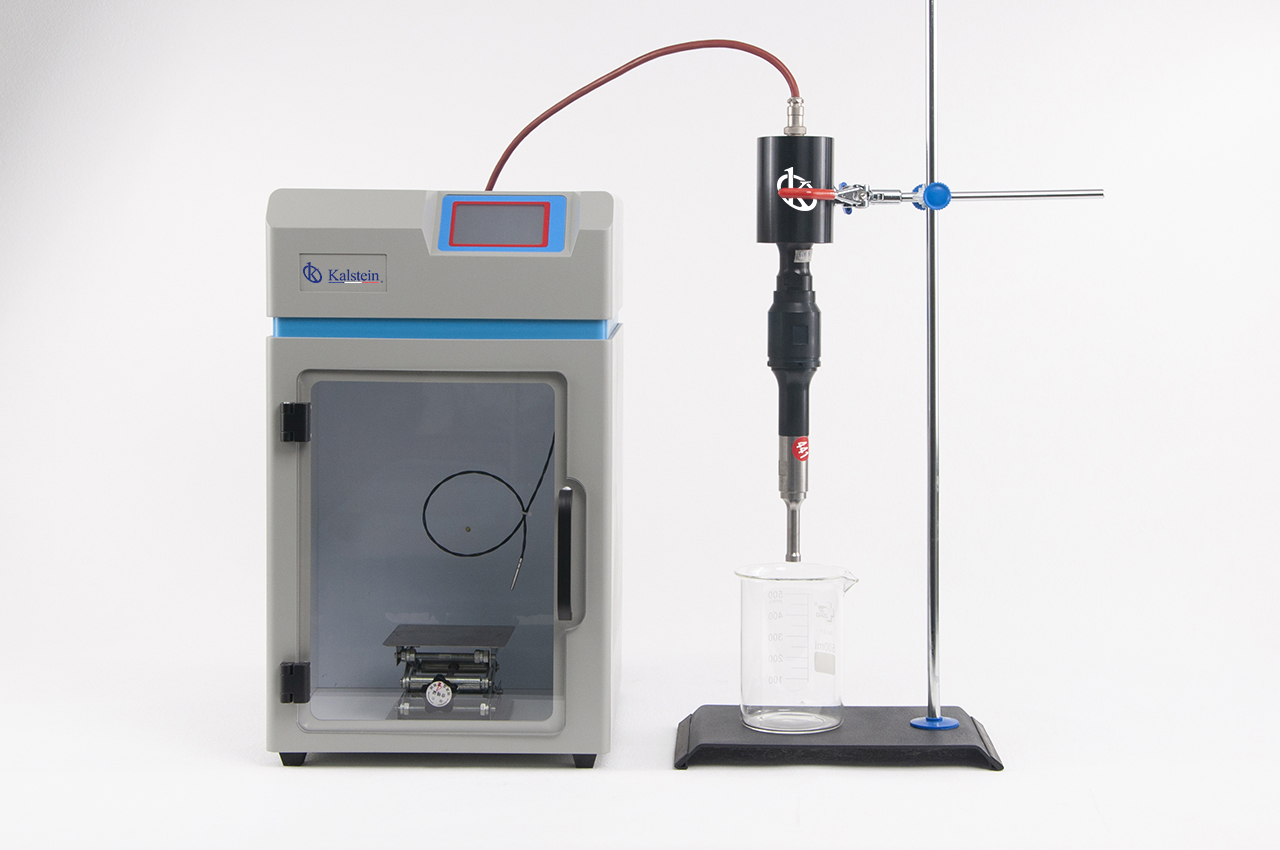
A homogenizer is a laboratory equipment that is used to carry out the homogenization process of different types of materials; such as tissues, food, plants and other biological or chemical elements. In laboratories, homogenization is generally a necessary step in the preparation of biological samples in laboratories, among them we can mention before the analysis of nucleic acids and proteins, or the study of cells, metabolism, bacteria, fungi, parasites and viruses. as well as in other scientific purposes.
How do you prepare a homogenate?
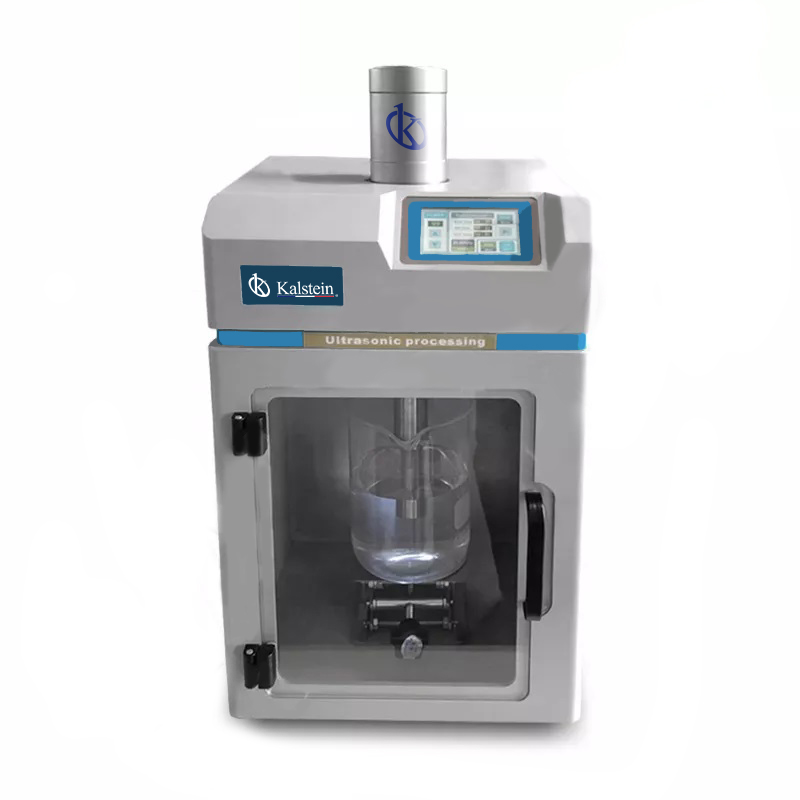
The crude mixture of destroyed cells is known as the homogenate. During the centrifugation of a cell homogenate, larger particles sediment faster than small ones, which makes it possible to obtain crude organelle fractions by means of differential centrifugation.
Heating mantle
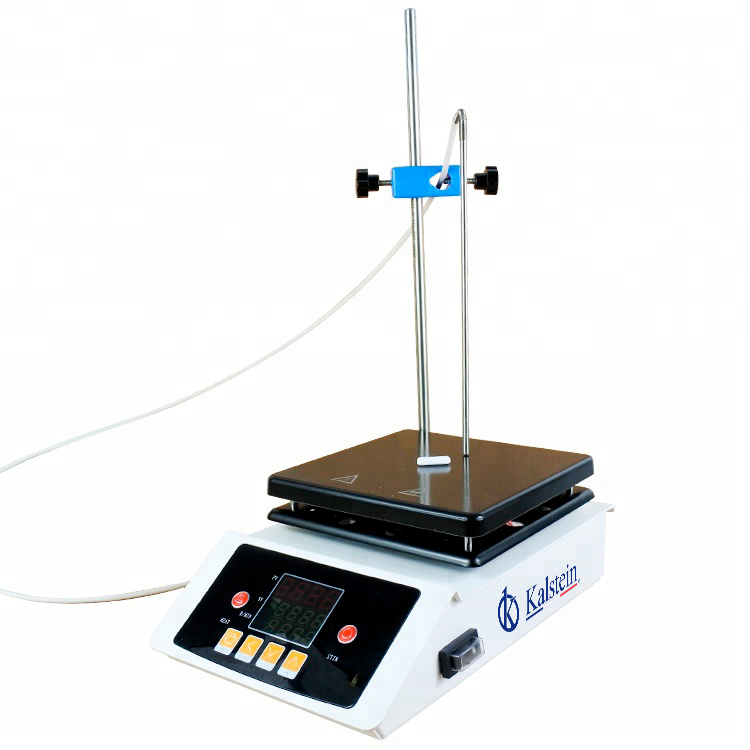
The heating mantle is an equipment used in laboratories for stable and uniform heating of samples and substances in round-based glass vessels such as volumetric balloons.
What are heating plates used for in a laboratory?

Heating plates or plates are small laboratory instruments that have a structure of excellent resistance to chemical and mechanical attacks, as well as corrosion in general, this tabletop device is portable and autonomous, has one or more electric heating elements, allows heating containers with liquids in a controlled way.