
What is a food freeze dryer?

Freeze-drying is a technique for the preservation of food that is based on the drying of certain compounds by means of the sublimation of the water contained in them.
Laboratory shakers: different types and applications
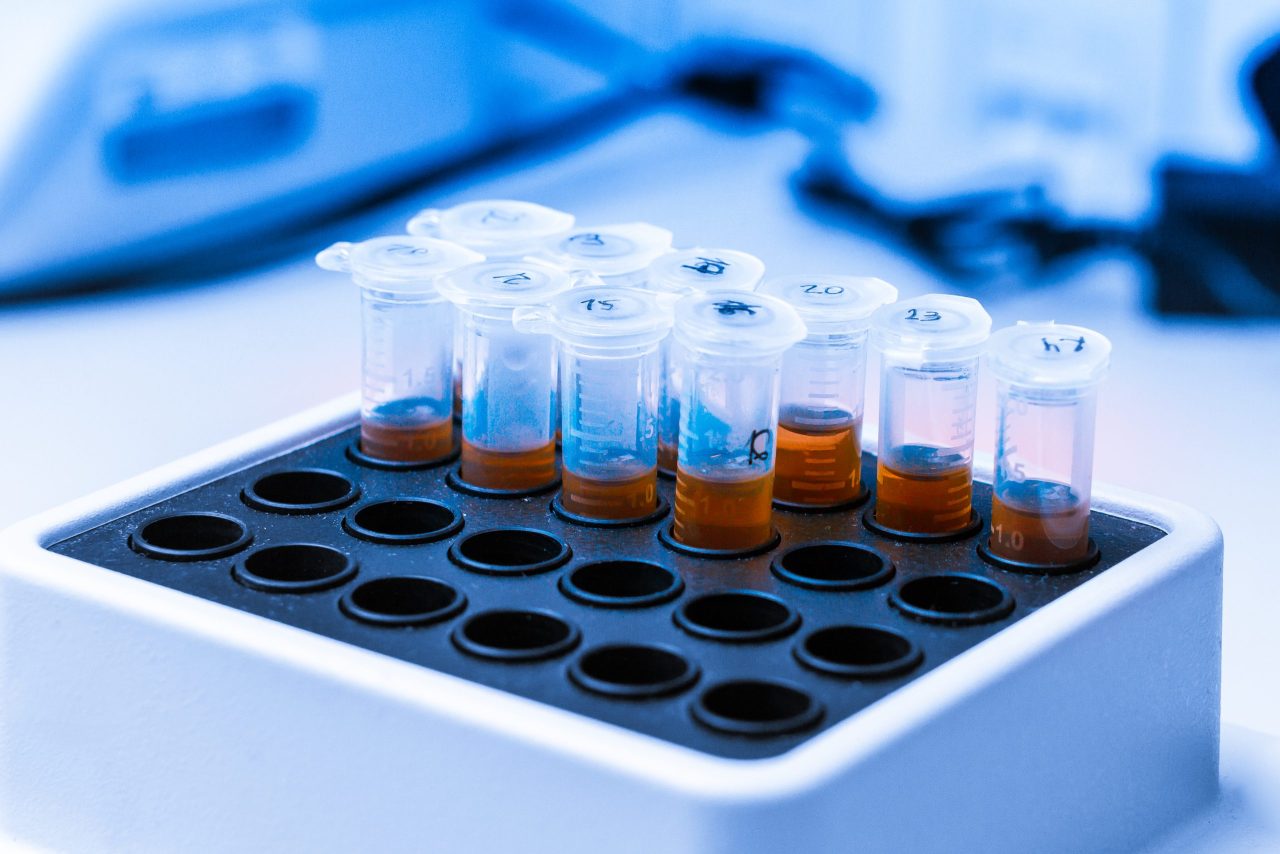
Laboratory stirrers are electromechanical devices that are commonly used in laboratories to homogeneously mix solutions and suspensions. These are generally made up of a plate, which moves propelled by an electric motor. The sample to be mixed is introduced into a container, which can be a beaker, tube or flask, which is positioned on a vibrating surface.
CO2 incubator: Recommendations and care

A CO2 incubator is a laboratory equipment that is also called a gasification incubator, and is used to carry out the development of cell and tissue cultures through a natural atmosphere. This culture of living organisms in vitro is one of the main applications of CO2 incubators. That is why these devices are widely used in medical research and in the pharmaceutical industry in: manufacturing of tissue engineering products, in vitro fertilization, diagnostic medicine, cancer research.
Real-time thermal cyclers
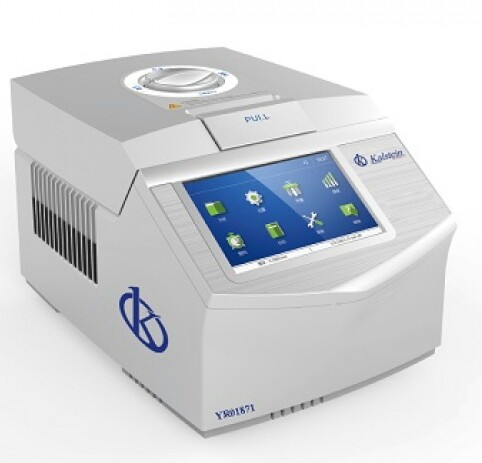
A real-time thermal cycler is a laboratory equipment that allows the real-time polymerase chain reaction (qPCR) to be carried out efficiently and quickly; by means of the automatic and cyclical realization of the temperature changes that are required for the amplification of a deoxyribonucleic acid (DNA) chain; from a thermostable enzyme. The objective of this type of PCR is to detect and quantify the specific nucleic acid sequences by means of fluorescent molecules in the reaction, where the increase in fluorescence is proportional to the increase in the amount of amplified DNA molecules in the reaction.
Reverse osmosis: Recommendations and care
Reverse osmosis is a technology for water purification, where a semi-permeable membrane is used to remove minerals and ions from the water, and remove larger particles from the water.
Ice makers: Recommendations and care

Ice makers are machines that make ice from moving water, as opposed to the traditional method of making ice, where the water is frozen. They are very useful equipment in the health and research sector, so it is essential to carry out proper maintenance and follow a series of steps to care for them.
Steps to use an analytical balance

The analytical balance is a measuring instrument that has a high degree of precision, but which in turn requires experience and skill from the operator. Its creator was the Scottish chemist Joseph Black in the year 1750, from there this type of balance has become an important scientific instrument to obtain accurate measurements.
Chillers, a water bath and a circulation bath

A chillers is a laboratory equipment used to remove heat from a product or process. This equipment acts as a heat exchanger, in other words, it cools using a contact surface through which the hot material passes. In the past, laboratories used cold water, ice, dry ice, or liquid nitrogen for cooling.
How does a refractometer work?

Refractometers are optical instruments that allow determining the percentage of soluble solids in a liquid solution, making use of the principle of total refraction of light (caused by the type and concentration of substances dissolved in a liquid solution), which takes place in the boundary layer between the prism and the sample.
Freeze Dryer: What is it? What is it for?
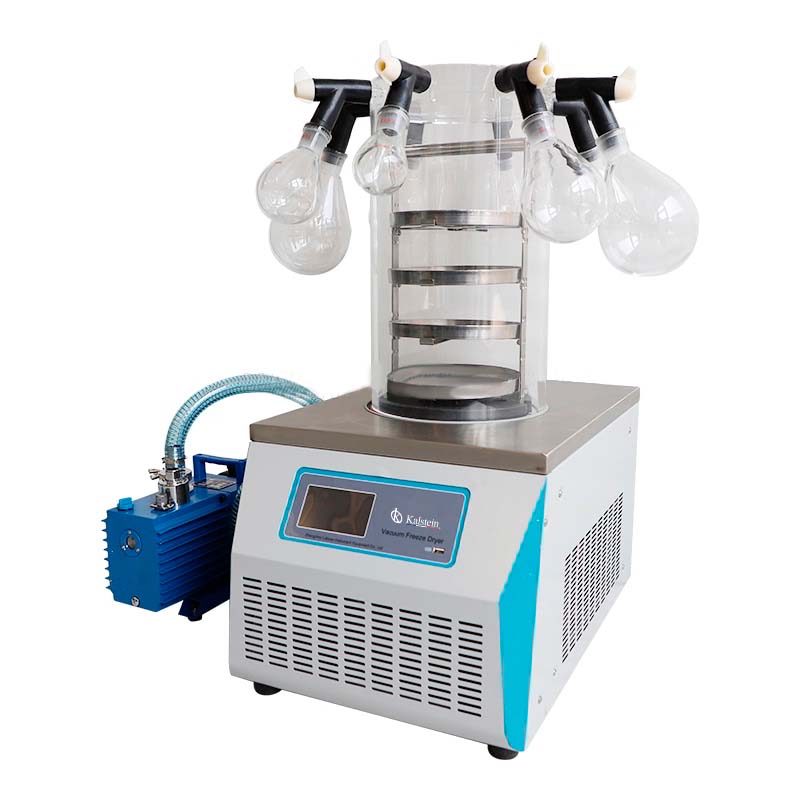
A lyophilizer is an equipment that allows to carry out lyophilization, that is, it is an instrument that serves to remove moisture from a product by drying it cold, thus obtaining a dehydrated product that can be rehydrated again when needed, recovering completely its properties at the time of use.