
The revolution in hospital cleaning: Industrial Washing Machines
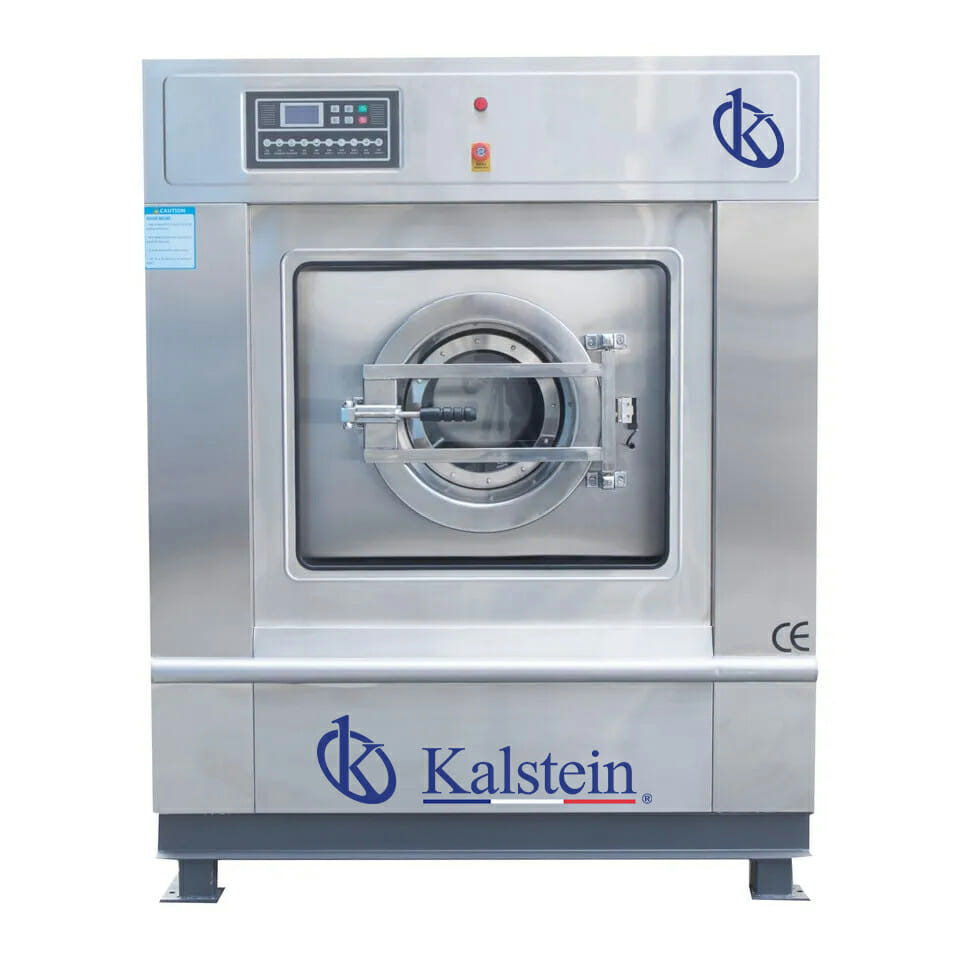
In the highly demanding medical environment, cleanliness and hygiene are paramount. Without an unparalleled standard of cleanliness, infections can easily spread, putting patients and staff at risk. For a long time, hospital cleaning has been a tedious and time-consuming process. Today, however, the adoption of industrial washers is revolutionizing this critical aspect of hospital care and management.
Industrial Washing Machines for Medical Equipment: How to Choose the Best for Your Needs.
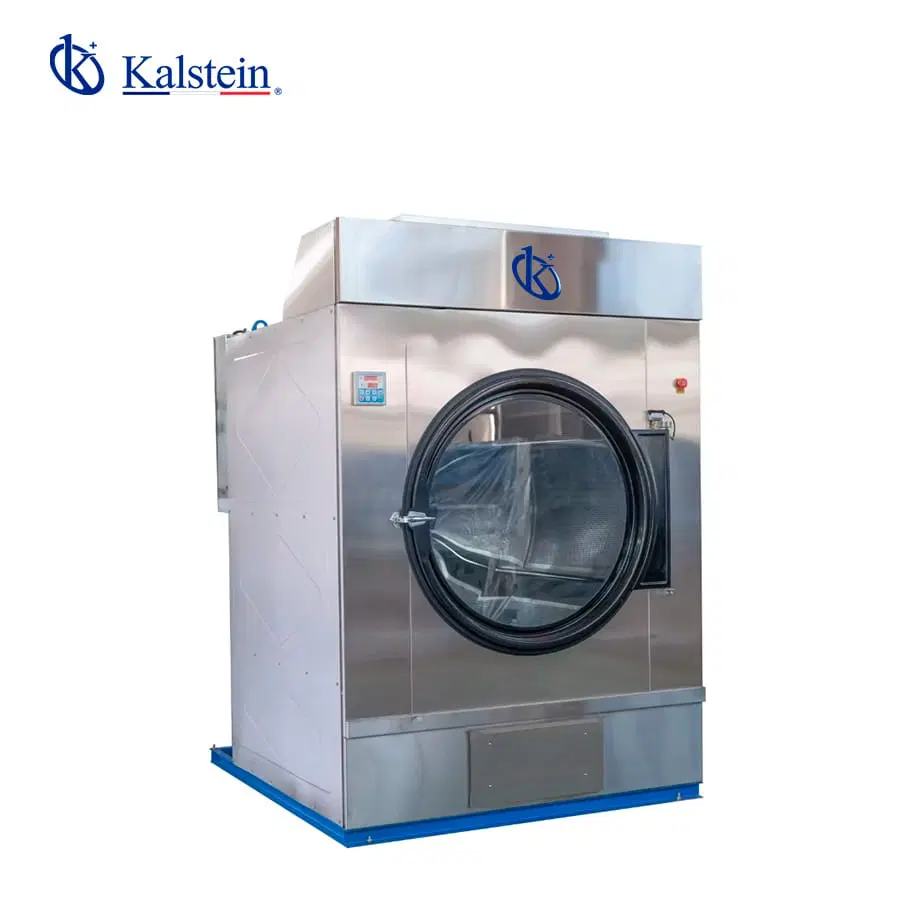
Industrial washers are a true revolution for the healthcare sector, being one of the best investments a healthcare facility can make. This type of machinery, specially designed for the intensive cleaning and disinfection of medical equipment, ensures the hygiene and safety of patients and healthcare workers.
Best Practices for the Maintenance of Industrial Washing Machines in Clinical Environments: How to ensure their long-term performance?
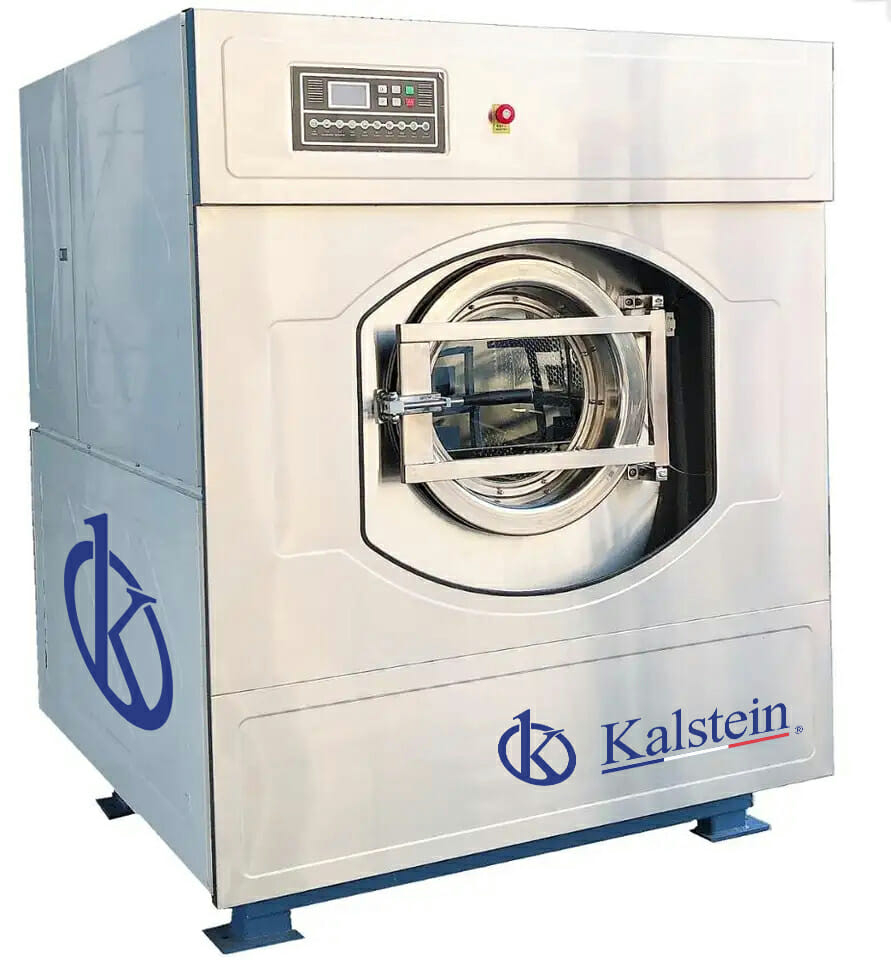
Proper management of an industrial washing machine in clinical settings is crucial to ensure efficiency, thorough cleaning and durability. For those who rely on these machines on a daily basis, knowing how to keep them at peak performance can go a long way in avoiding any unforeseen problems.
The Importance of Industrial Washing Machines in Medical Hygiene: Why are they Essential in the Healthcare Sector?
Industrial washing machines are a crucial piece in the infrastructure of a hospital or other healthcare facility. Their presence ensures the proper disinfection of bed linen, patients’ gowns and even the uniforms of healthcare professionals. Therefore, its relevance is not only operational, but also plays a key role in preventing the spread of diseases and maintaining high standards of hygiene in medical environments.
Sterilization of tattoo materials with the use of ultrasonic cleaners

During tattooing, there is a risk of infection by various microorganisms transmissible through blood. The entry of the tattoo needle into the skin can introduce a variety of microbes if the needle has not been sterilized.
How does the ultrasonic cleaner for jewelry sterilization work?
Jewelry cleanliness is critical to prolonging its life span. Sometimes, keeping jewelry in storage for some time can promote the accumulation of mites or dirt on the pieces. Also, when they are used frequently, in addition to accumulating various microorganisms or harmful substances, the color of the jewelry can be altered. The latter can be caused by the pH of the skin of the person wearing the piece, the effect of sweat, creams or perfumes.
What is an ultrasonic cleaner used for?
An ultrasonic cleaner is a device that allows effective cleaning of delicate items or hard-to-reach areas, removing dirt and bacteria that other cleaning devices are unable to remove. They are usually formed by a container, in which the object or objects to be treated are introduced, immersed in a special liquid through which high frequency waves propagate, generating an effect called acoustic cavitation through which an optimal cleaning is achieved.
Ultrasonic Cleaner: What are the different types?
This equipment has a really surprising utility, not only in medical or aesthetic centers, but also at home; since its main function is to leave free of dirt and contamination metal instruments, both of medical material or our home and vehicle keys, owning an ultrasonic cleaner makes our life easier and prolongs the life not only of the instruments but of your own health, nowadays with the emergence of highly dangerous viruses, it is essential to have a device such as the ultrasonic cleaner.
Benefits of Ultrasonic Cleaner for Dentistry
The ultrasonic cleaning system, is a mechanism used to sanitize parts regardless of size and complexity, causing effective solutions. Also, in the action of ultrasound, it operates by an effective chemical product, otherwise, it would only work at a small % of its possibilities, and depending on the dirt to be removed, an alkaline, acid or solvent product is used. Therefore, the cleaning products must be filtered, replaced or recovered when it is a solvent.
Why are ultrasonic cleaners used in the ophthalmic sector?
The ultrasonic cleaner is indispensable in ophthalmological practice, due to its proven efficacy in cleaning the instruments used in this discipline. The cleaning of instrumentation for ophthalmologic procedures should be a safe process, allowing the removal of all inorganic or organic residues, or any other contaminant, from the surface of the instruments prior to sterilization. Ophthalmic surgical instruments that are improperly sanitized can cause surgical infections, such as anterior segment toxicity syndrome.