
Retain heat with laboratory gel systems
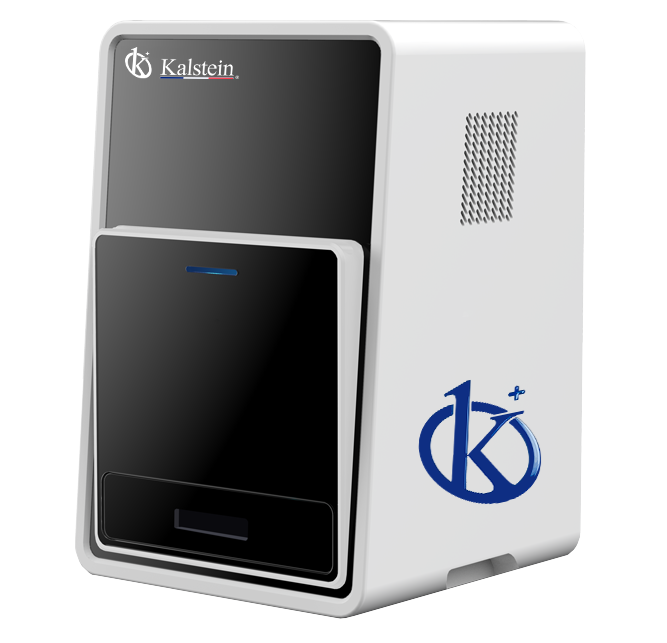
Laboratory gel systems are an ideal solution for scientists working with hazardous or reactive materials; they are also a useful tool to help maintain research and experiment projects at constant temperatures. The way they work is through an exothermic reaction with the energy of heat to be able to maintain a controlled temperature inside a closed container; this allows scientists to perform experiments without the heat escaping, which gives great control over the temperature level of the materials inside the container.
The discoveries of the Pathological Anatomy teams

Pathological anatomy is one of the most important branches of medicine; it is mainly responsible for the diagnosis and study of human and animal diseases through the exploration and study in microscopy of tissues and organs. Over the years, their study has allowed scientists and doctors to discover certain diseases, to learn more about the human body and to treat various pathologies more effectively.
The magic of analytical analyzers in laboratories

Technological advances have transformed many areas of the scientific field; in both laboratories and research centers, technology has been used to simplify and accelerate the tasks of analysis and validation of results. One of the most influential technologies in laboratories is the analytical analyser, a versatile and reliable device that allows users to perform a variety of tasks such as determining the concentration of analytes in a sample and verifying food safety.
Are there fail-safe climate chambers to ensure safe results?
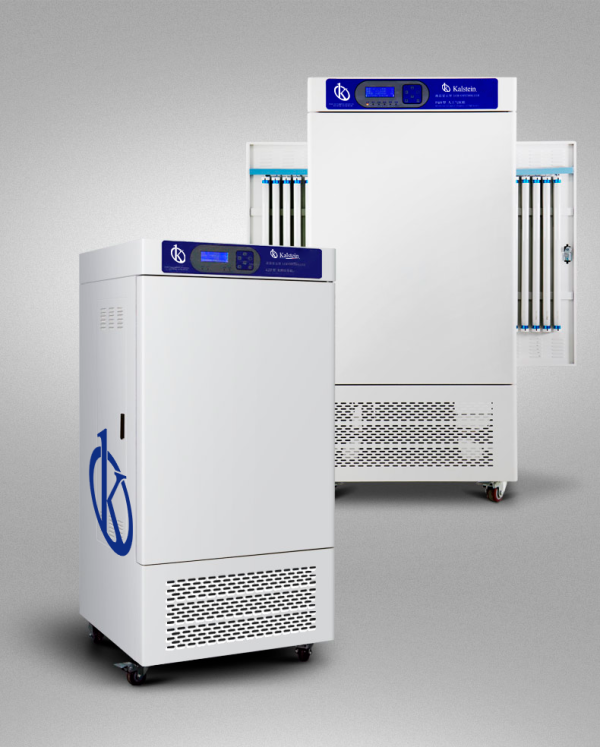
Climate control systems, such as those related to cooling and heating, are becoming increasingly important for maintaining a wide range of products in a variety of environments. This means that manufacturers face a rigorous application in the design of their products. One of the main challenges is to build fail-safe climate cameras to ensure safe results.
General characteristics of full steel laboratory biological safety cabinet
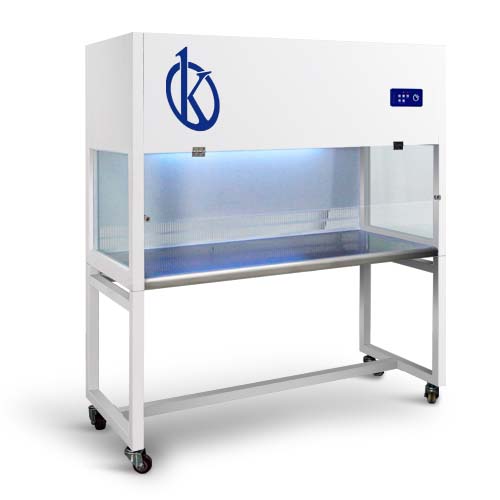
Full steel laboratory biological safety Cabinets are essential equipment in a clinical and experimental environment, these systems provide special safety conditions in a closed and controlled environment.
How is the safety of products stored in a laboratory freezer ensured?

Safety in the laboratory is very important, especially when it comes to products stored in ultra freezers. These devices are very useful tools nowadays, since they allow to keep products at much lower temperatures than conventional freezers.
What laboratory volume can be recirculated through a recirculator?

A recirculator is a tool used in many laboratories to provide continuous circulation to substances, such as liquids by applying pressure; the recirculator is connected to a network of pipes in which the flow of liquid follows a predefined pattern.
What are the main advantages of laboratory hematology analyzers?
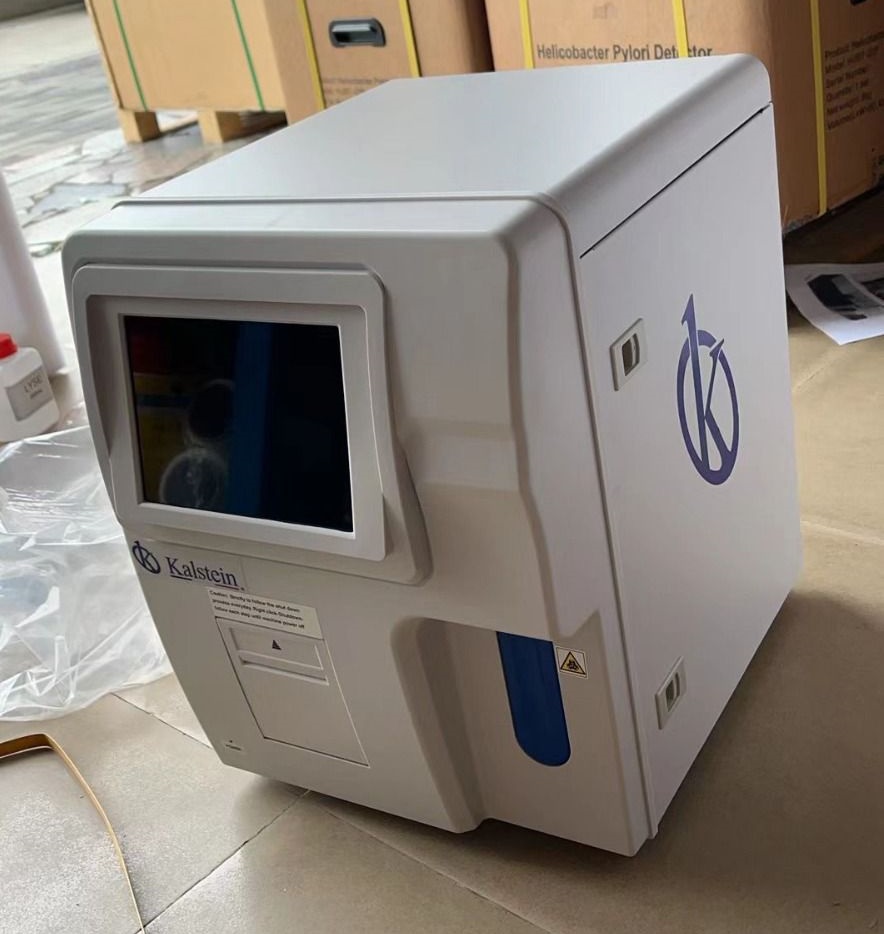
Hematology analyzers are a vital tool for clinical diagnosis and disease prevention. These devices are used to test the morphology of red, white, and platelet cells, which are the main components of blood. These elements in the blood may indicate important information about the person’s health. These analyzes provide accurate and efficient results, making them essential for research and medicine in clinical laboratories.
How was patient safety improved by using electroscalpel?
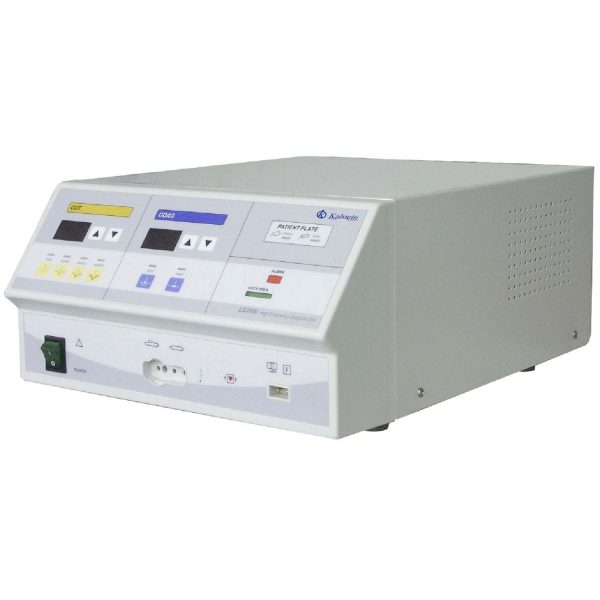
In recent years, the use of electroscalpel has had a major impact on the way medical procedures are performed; since the introduction of this technology, patient safety has been significantly improved. The use of electroscalpel has helped reduce the time of intervention as well as the risk of complications and errors; this technology has become an increasingly important tool for health professionals worldwide.
What are the steps to follow to properly set up a recirculator?
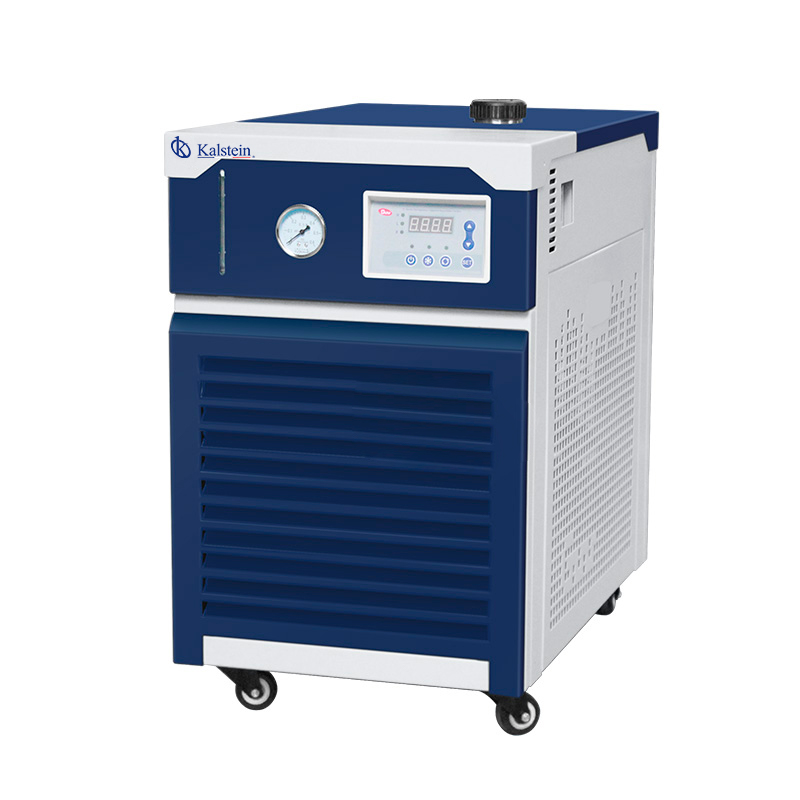
In order to provide a safe and healthy environment, having a recirculator is key; these monitoring stations comprise an air control and recovery system and add complementary modules designed to optimize its operation. Its use has been popularized, having practical features that allow to adapt the quality of the indoor air to the requirements of the user.