
How do I use a surgical browser?
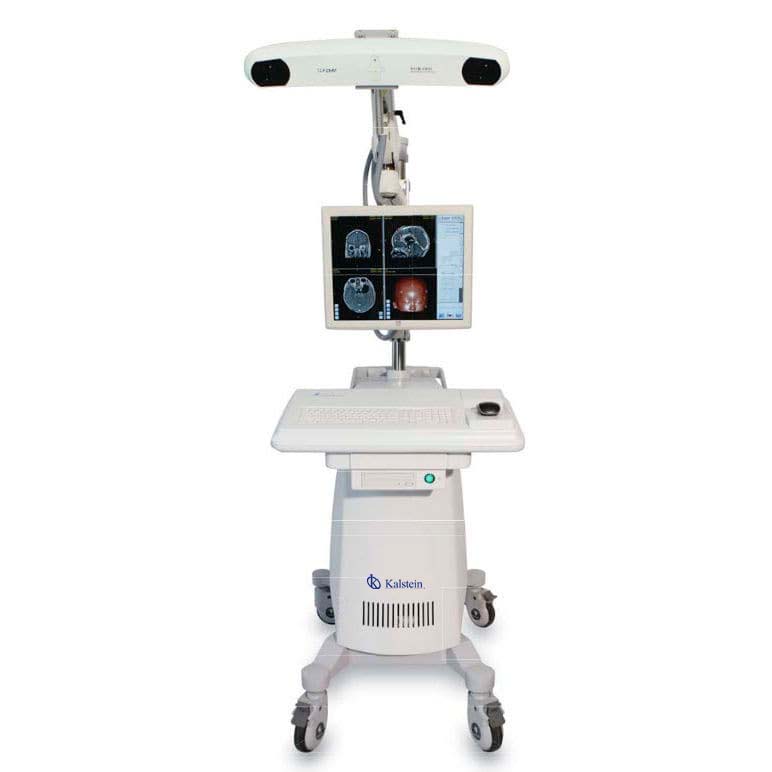
A surgical navigator is an innovative medical equipment that is widely used for surgical visualization, planning and precise execution of surgical procedures in operating rooms, these novel equipment help to minimize trauma in tissues and reduce the risk of surgical complications in procedures performed in the operating room.
Care and maintenance of an optical surgical navigator?
In the development of new medical technologies, which facilitate the process of clinical routine, the use of optical surgical browsers, becomes the standard of many current procedures, in which it is beneficial for patients and can be useful for the optimization of training programs, allowing a present and personalized training of new surgeons, specifically, video images can be used for assessment of skills based
What is bidistillation and monodistillation?
Distillation is a chemical process through which it is sought to separate liquids contained in non-volatile solids, that is, what is wanted is to convert a volatile liquid into vapor, so that it later condenses and becomes a liquid again. Simply put, it’s like the steam in a teapot condensing on some cold surface.
How to select your ideal water purification system

Water purification systems are essential equipment in any home or work space, if it is believed that the water being used has come into contact with pollutants. These systems allow, as their name says, to purify this vital liquid, by eliminating pathogens or chemical elements that can be harmful to humans.
Conductivity Meter: what is it?
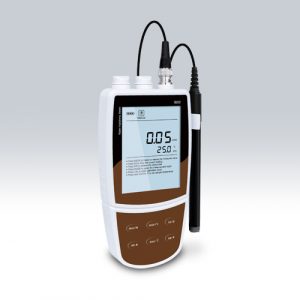
Conductivity is the ability of a material to conduct an electric current, that is, a measure of the total ionic concentration of a solution; the instrument used to know the conductivity or electrical charge in a body of water of natural origin is the conductivity meter and they are very common in any water treatment procedure or in environmental laboratories.
Ion and Conductivity Meters: Differences

Today’s ion meters are based on the ion-selective electrode technique. These are measuring instruments that have a sensitive membrane capable of measuring ionic activities. That is, they measure the concentration of a given ion in a solution using both a sensing electrode and a reference electrode.
Conductivity meter or conductivity meter: How should he be employed?

A conductivity meter or conductivity meter is a device used to determine the electrical conductivity of the ions in a solution. This is achieved because this equipment applies an electric field between two electrodes and performs a measurement of the electrical resistance in the dissolution.
Importance of a conductivity meter in a laboratory

A conductivity meter or conductivity meter is a laboratory device that measures the electrical conductivity of the ions in a solution. For what applies an electric field between two electrodes and performs a measurement of the electrical resistance in the dissolution, usually the most used measure are S/cm, other alternative ways of expressing the conductivity are salinity and total dissolved solids (STD). They are quite common and important equipment in procedures involving water treatment and monitoring, as well as in environmental laboratories.
What are the differences between: PH Meter, Ion Meter and Conductivity Meter?
Firstly, measuring instruments are important and fundamental in laboratories, they are equipment that are created to provide a solution to professionals, for monitoring their activities.
Laboratory conductmeter, operation
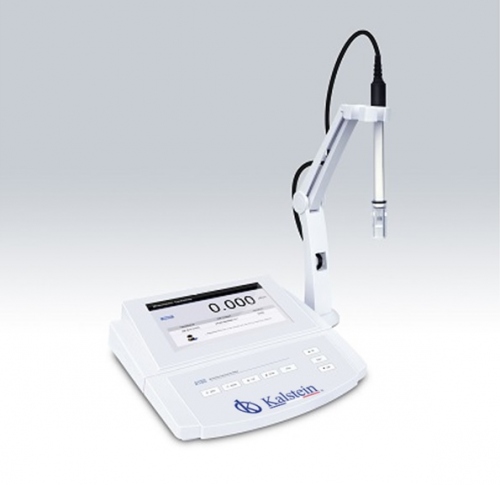
A conductivity meter or conductivity meter is a laboratory device, which is used to measure the amount of electrical current or conductance in a solution. That is, it is the instrument that is used to know the conductivity (electric charge) in water body, parameter that is useful to determine the general health of natural water bodies. It is also a way to detect changes in wastewater procedures at treatment plants.