
What are the types of moisture analyzers that exist?

The moisture analyzers work to calculate the moisture content of the matter, have halogen and infrared heating technologies, being methods adapted to the needs of quality control and production of the samples. The halogen analyzer is an evolution of the infrared drying method. The halogen technology is composed of a heating element, which consists of a glass tube filled with halogen gas and its advantage is that the halogen being of smaller volume, the maximum heating level is obtained faster, and provides results with an exceptional level of control and a uniform heat distribution. Infrared energy is not visible to the human eye.
Why is a moisture analyzer important in a laboratory?

A moisture analyzer is a measuring device that establishes the moisture compensation of a sample. It works with the dry matter method and consists of a weighing unit and a heating unit (infrared).
What is and how does an electrocardiogram work?
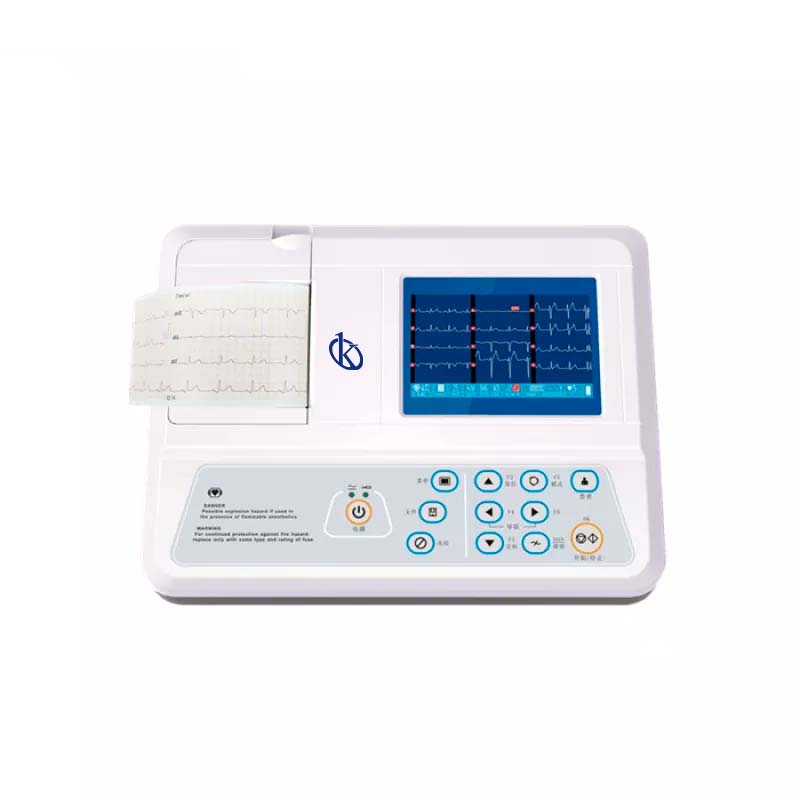
The electrocardiogram (ECG) is a recording that reflects the electrical activity of the heart, made with the help of a device known as an electrocardiograph. The electrocardiograph is a device designed to show the direction and magnitude of electrical currents produced by the heart. This electronic device that captures and amplifies the electrical activity of the heart through electrodes.
Features and applications of colorimeters
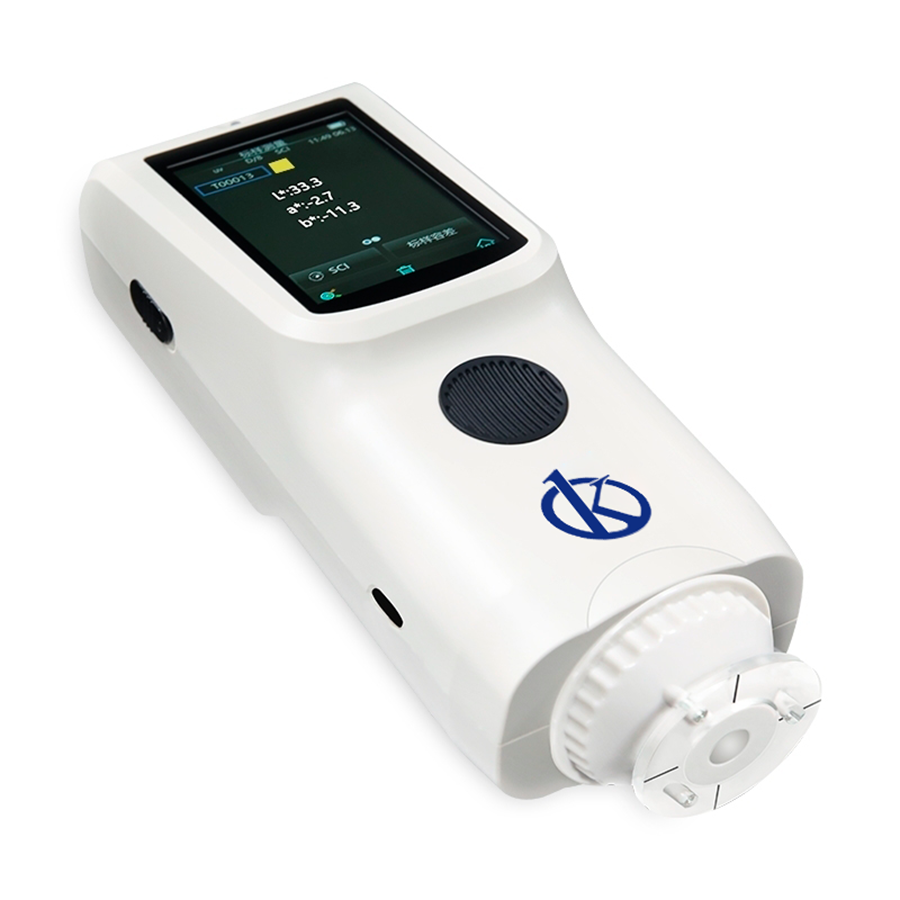
Colorimeters are instruments used to measure and analyze colors. Specialized color measurement equipment, using “tristimulus” measurements based on the passage of light through the three primary filters, red, green and blue, simulates the way the human eye is sensitive to light. These three-stimulus color measurements provide information about the amount of these three components present in light reflected or transmitted by a product or material.
What is the function of a colorimeter?
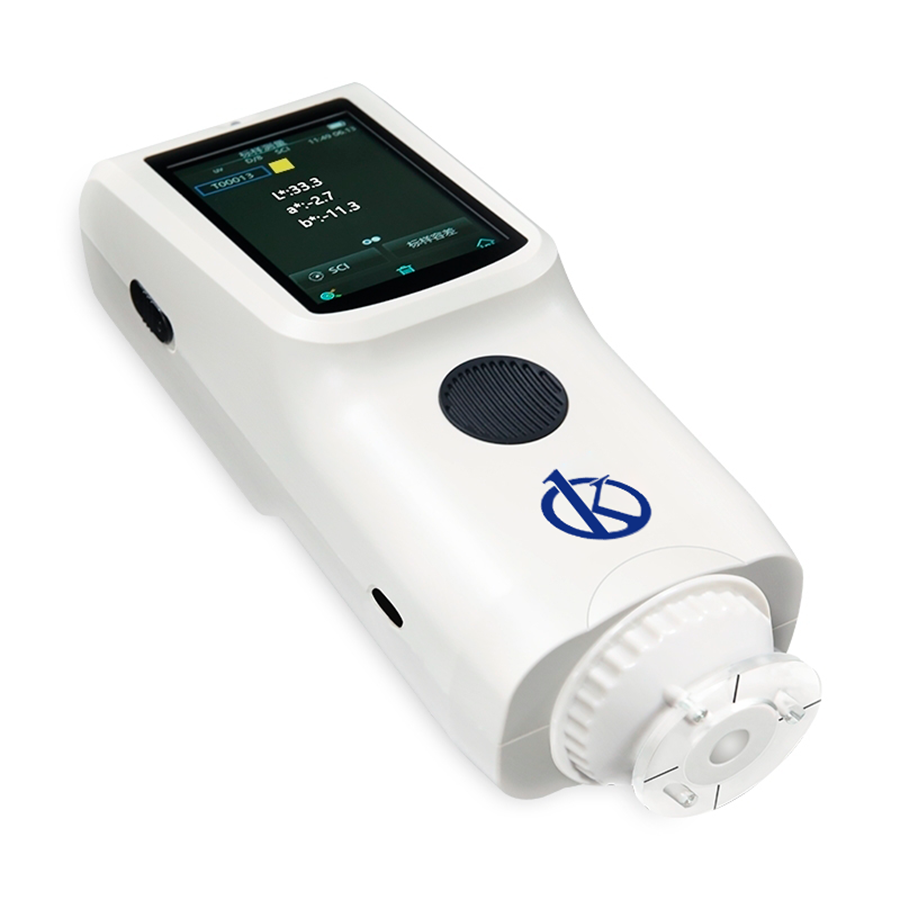
A colorimeter is an instrument used to measure and analyze colors. In other words, a colorimeter makes it possible to determine the exact composition of a color by providing precise and very objective measurements of the analyzed color, thus providing an accurate measurement of the intensity and hue of the color, which makes the colorimeter a frequently used instrument in colorimetry, a branch of science that studies colors and, especially, how to measure them.
What are the types of colorimeters?
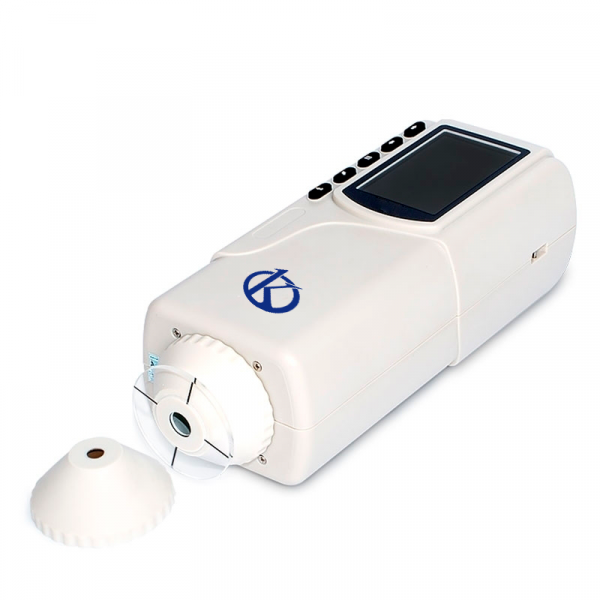
Colorimeters are instruments used to determine the exact composition of a color, because they have the ability to provide accurate and objective measurements of color, providing accurate information of color intensity and hue. They are frequently used instruments in colorimetry, a branch of science that is responsible for the study of colors and, especially, how to measure them.
Colorimeter maintenance and care
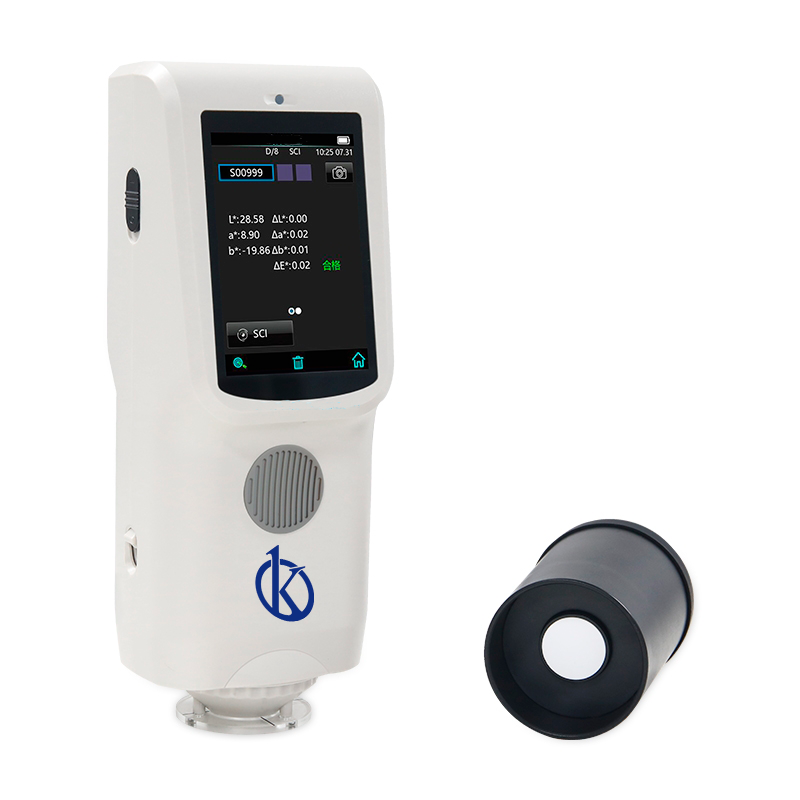
A colorimeter is a device used to measure and analyze colors, this device allows to identify colors and their shades, providing accurate and very objective measurements of the colors being evaluated. Colorimeters have one light source and three or more filters. The light source emits light at a wavelength and then passes through a filter before impacting the object being measured.
Why is a colorimeter important in the lab?
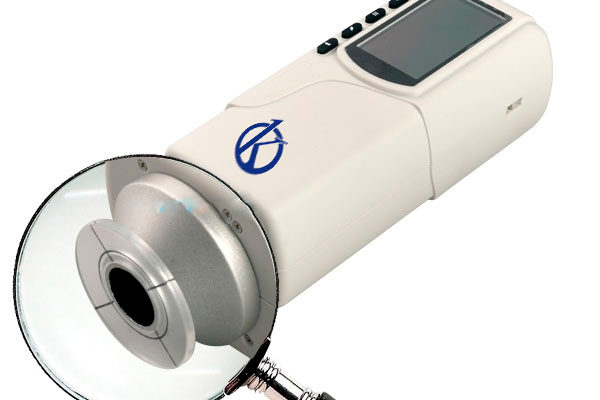
A colorimeter in the laboratory is considered a very effective tool when identifying a color and its hue, since it allows to obtain a more objective measurement of it. This laboratory equipment is also an instrument that has the property of measuring the absorbance of a solution at a specific light frequency.
Differences between spectrocolorimeters and colorimeters
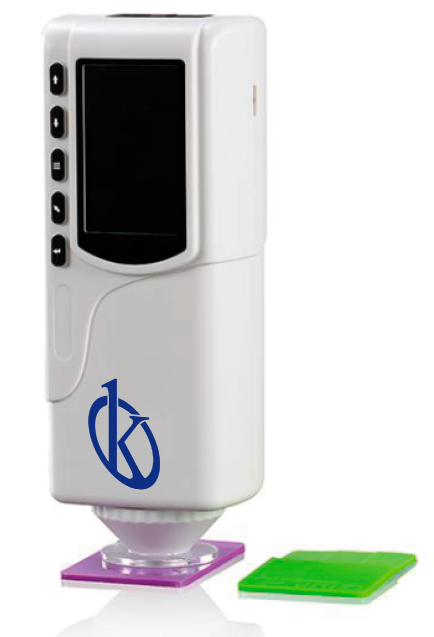
Today colors play a fundamental role in our lives. However, unlike other parameters such as weight or length, there is no physical scale for measuring color, making it nearly impossible for people to respond in kind when asked about a specific color.
What is a colorimeter?
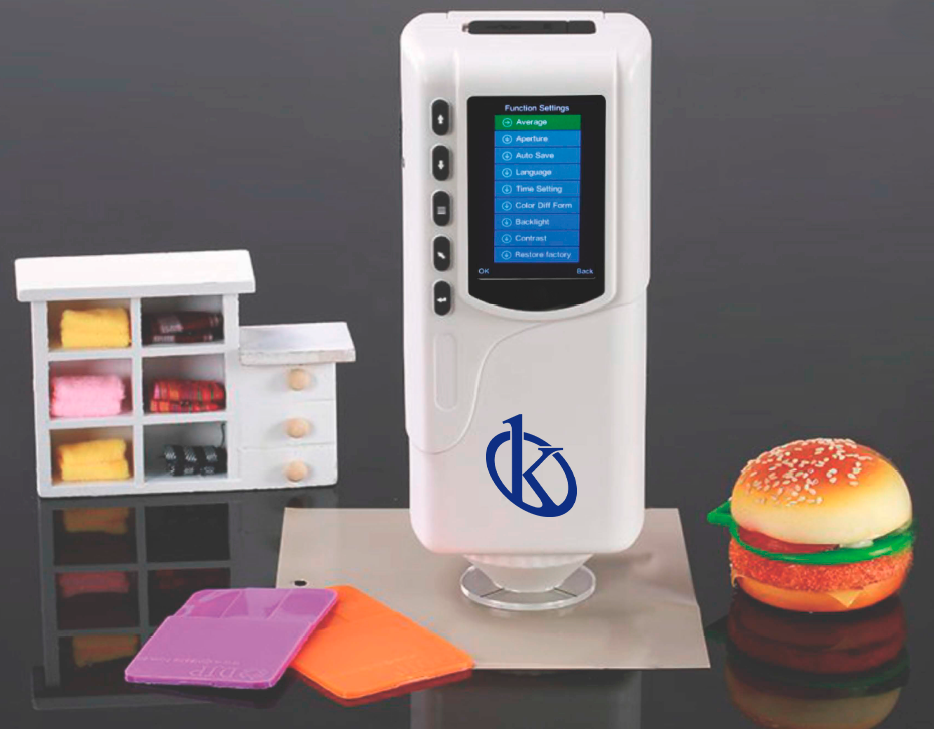
A colorimeter is a device used to measure and analyze colors. Currently, thanks to technological development, there are models of this equipment designed for very specific uses and applications, among which we can mention the transmission colorimeters that allow to determine the concentration of a chemical component, as well as some models of colorimeters are also able to analyze the color of opaque products such as plastics, paints, metals, ceramics, among others, while other colorimeters are used to adjust light sources or calibrate monitors.