
Wheelchairs: how many types exist?

Wheelchairs are tools to help patients who require it and favor the total or partial transfer of those who have lost the ability to move. Therefore, wheelchairs improve mobility for people who cannot walk or move by themselves, thus facilitating their autonomy and social integration.
Importance of a drying oven in a laboratory

Currently there are many types of laboratory equipment and instruments, but one of the most common and important are drying ovens. A drying oven is an instrument used to dry glass and metal containers. Depending on the mode of operation, there are basically two types of oven: those that operate by natural convection and those that operate by forced convection.
Laboratory ovens: dry heat sterilization
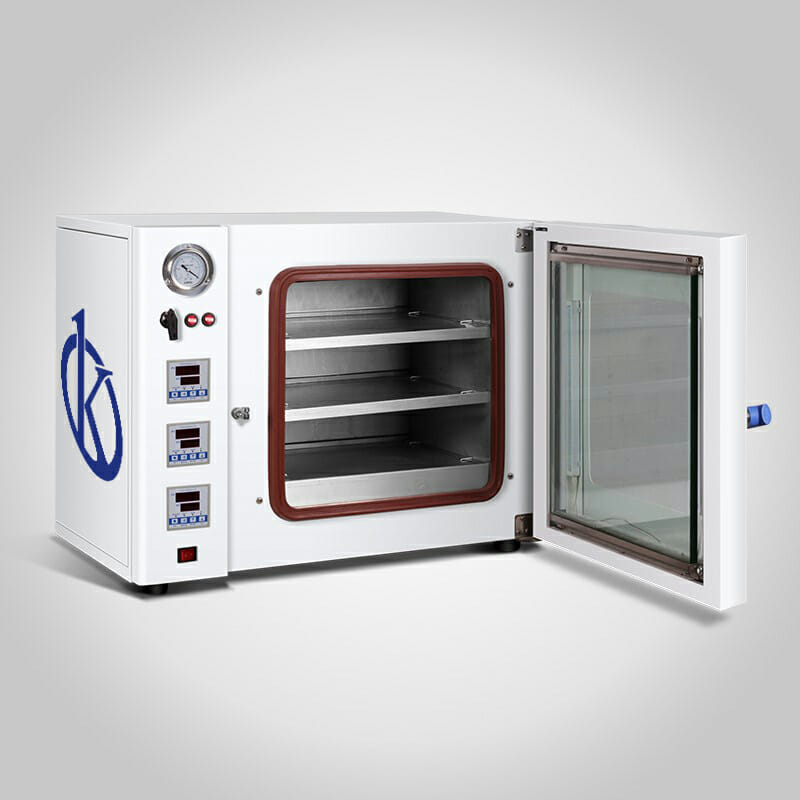
Ovens, also known as drying ovens, are devices used to dry and sterilize glass and metal containers used in various laboratory processes. Laboratory ovens allow to carry out the sterilization by dry heat, where the hot air is used to carry out this process, these equipments allow a uniform distribution of the heat inside, where the material is exposed to temperatures of approximately 170ºC for 2 hours.
Features and care of a laboratory ovens
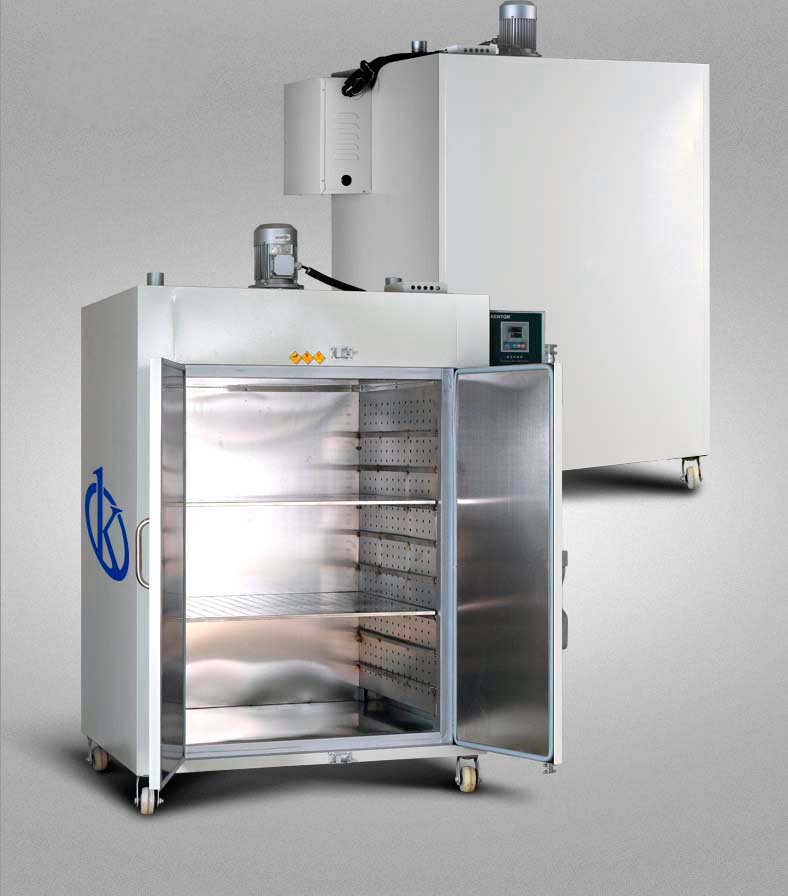
The laboratory oven is a team used to dry and sterilize glass and metal containers. There are basically two types of oven: those that operate through natural convection and those that operate by forced convection.
Drying ovens or ovens: Are they sterilizers?

The oven or also called drying oven is a piece of equipment used to dry and sterilize glass and metal containers. It achieves this, thanks to the fact that inside the temperature is higher than in the environment. According to its mode of operation, there are basically two types of oven: those that operate by natural convection and those that operate by forced convection.
Microwave digester: in which scientific sectors is it used?
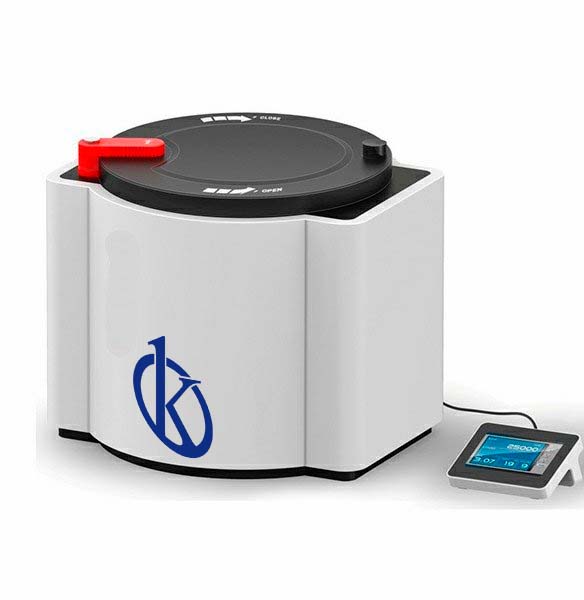
The use of this equipment for different scientific processes is proven thanks to the scientific researchers in the areas of chemistry and engineering, where the use of microwaves for NTK analysis and oxygen demand is validated, due to the effective system of temperature that these processes require, thanks to the microwave digester samples and tests reach a necessary temperature in a shorter time and without thermal degradation.
What is a microwave digester used for?

The applications of this equipment are wide in different areas, generally used to mineralize solid samples from which information is obtained at elemental level through spectroscopic technique, so it is necessary that the sample is in liquid state, this apparatus is present in laboratories dedicated to the Environment, agriculture, food, plastics, petrochemical industry, geochemical industry, metals, ceramics.
Microwave Digester: how does it work?
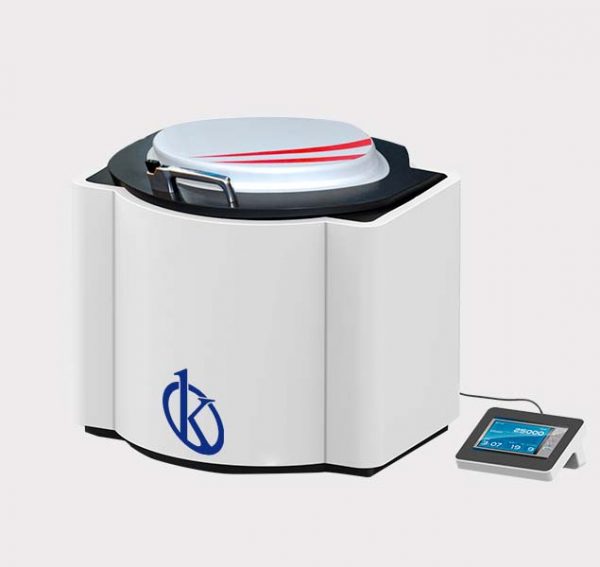
This equipment guarantees the preparation of samples for elemental analysis in analytical chemistry, performs a procedure where electromagnetic radiation is produced at a frequency of 2450 MHz; this makes it warm, where radiation penetrates glass, ceramic and plastic materials, while metals reflect this wavelength.
What is a Microwave Digester?
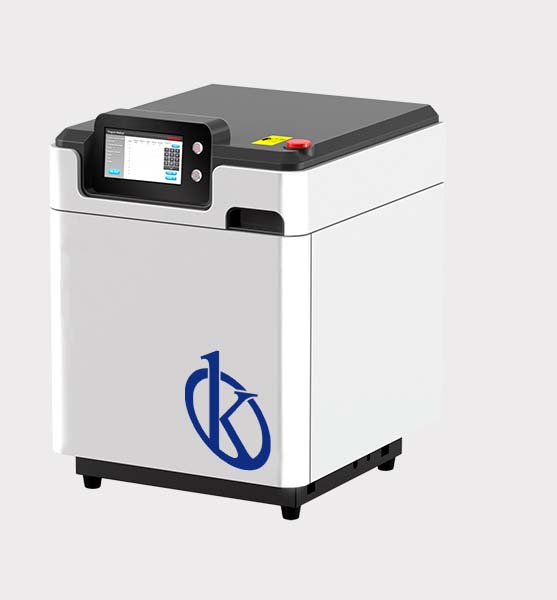
They are equipment that have a digestion system, which is used to mineralize the solid samples from which we want to obtain reliable information at elemental level, a spectroscopic technique is used, and requires that the sample to be examined is in liquid state, so if the requirements of the analyzes require preparing the sample for analyzes of food, textiles, dishes, wastewater treatments, cosmetics and other applications, you need a microwave digester, and undoubtedly the best and most reliable are the YR KALSTEIN series.
Laboratory Incubators: How Do They Work?

An incubator is a laboratory equipment that allows to carry out a large amount of experimental work, because with it microbiological and cell cultures can be maintained thanks to its ability to achieve the optimum temperature and humidity for it, as well as the levels carbon dioxide and oxygen.