
What tests are performed on an electrolyte analyser?

It is valuable to study in patients, electrolyte levels, since they are responsible for measuring the amount of minerals, with electrical charge that provide information, about the increase or decrease of liquid and acid base balance in the body, in addition to transport nutrients to their cells, eliminate waste from said cells and function to their nerves, muscles, heart and brain in the proper way.
What tests are performed on a coagulation analyser?
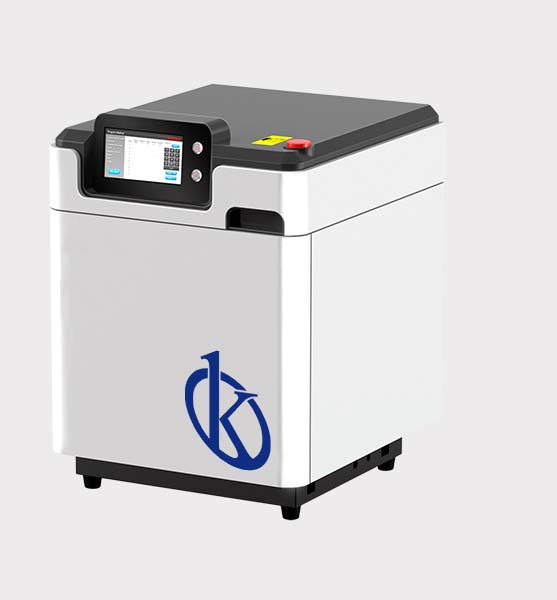
Thanks to coagulation analyzers, effective tests are performed, which are responsible for responding to clinical diagnoses, to substantiate and guide the analyzes in patients. Since, the most common tests are, the activated partial thromboplastin time (aPTT) that evaluates the intrinsic pathway; Prothrombin Time (PT) which assesses the extrinsic pathway and Thrombin Time (TT) which assesses the common pathway.
What is a laboratory homogenizer?
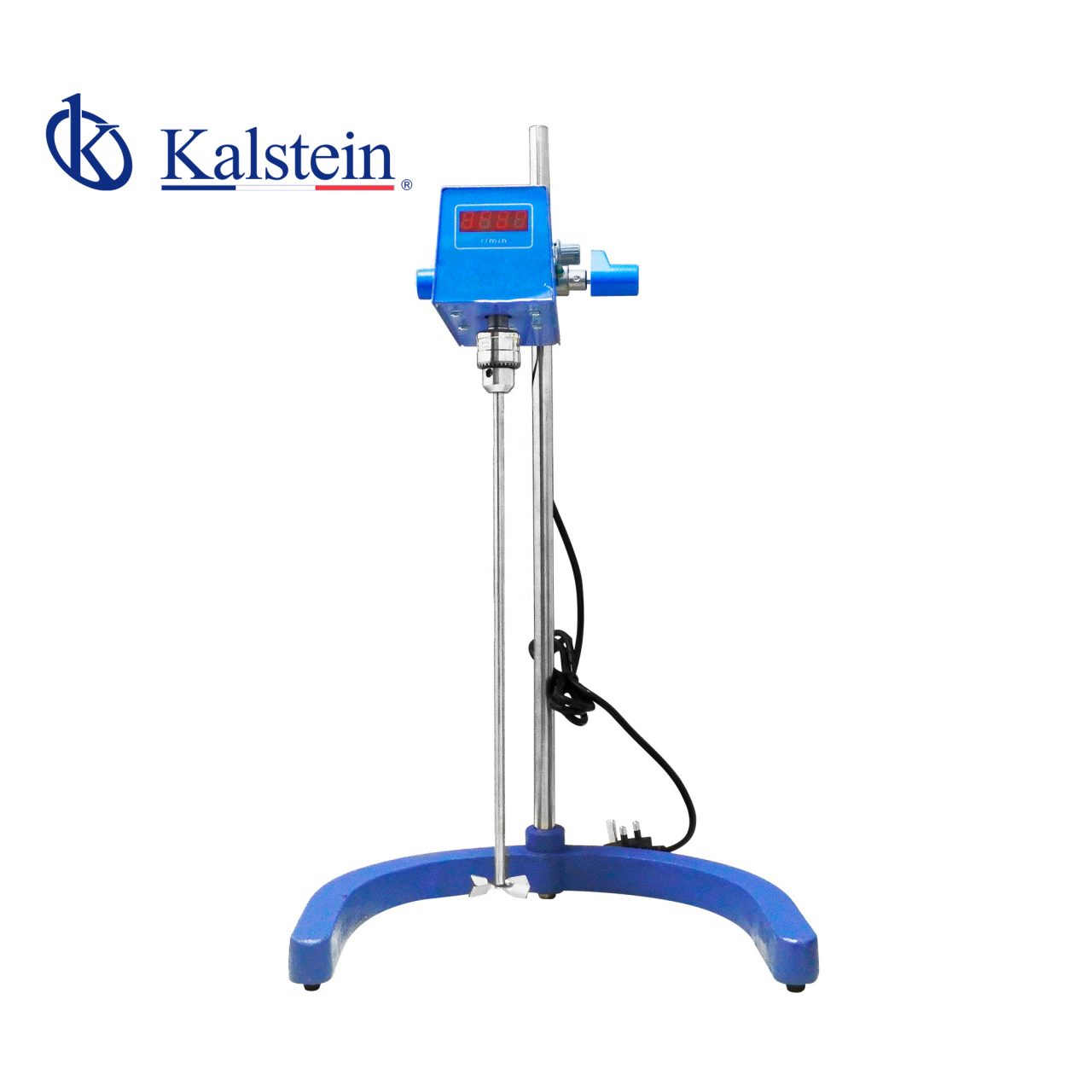
Homogenization is a chemical process where several insoluble substances are constantly and intensively mixed in order to create soluble suspensions or double emulsions. The homogenization process will depend on the materials the user intends to mix and how they will use them.
Pathologies that are detected with an electrocardiograph?

The objective of the electrocardiograph is to search for any pathology in the heart and the effects of treatments and devices on the main organ of the circulatory system, in addition it allows to discover and study diseases such as cardiac arrhythmias, acute episodes of coronary disease and myocardial infarction. It can also be used in preoperative investigations, especially in surgery of medium and high complexity, if there are risk factors such as ischemic heart disease, diabetes, stroke, heart failure or renal dysfunction.
How are operating lamps used?
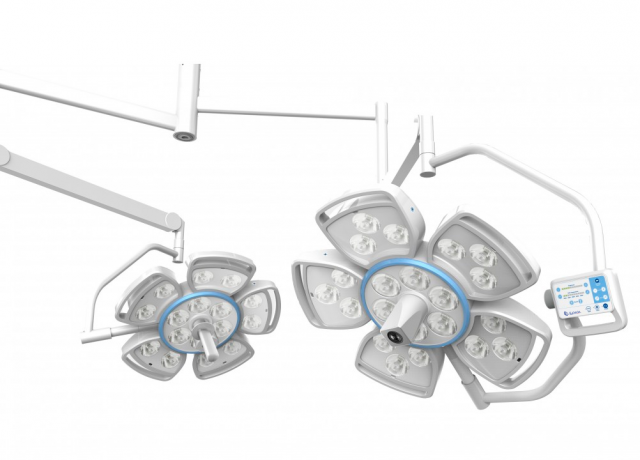
Operating room lamps are used to optimize and obtain a maximum clear display within the operating field, with the appropriate luminosity, allowing small objects to be perceived. In addition, they are made with incandescent type lights or LED lights, full of gas and halogen, to avoid the problem of radiation, caused by excessive heat avoids discomfort in the surgical area.
What are the differences between neonatal incubation and children’s radiant tables?

Neonatal incubators and radiant tables for children are medical equipment specialized in heat transfer to the neonate, where their management is simple and they have mechanisms that control the amount of heat that has to be emitted by means of a servo-control temperature system, which transmits more or less heat depending on the temperature that is programmed and required by the patient.
What is a perinatal care team?

Maternal control is a necessary program in the provision of health services, so it is constantly carried out in the improvement of care to pregnant women. Perinatal diagnosis and management of rare diseases is a multidisciplinary activity, based on fetal images obtained by ultrasound or magnetic resonance imaging and fetal chromosome study.
Laboratory deionization systems: How does it work?
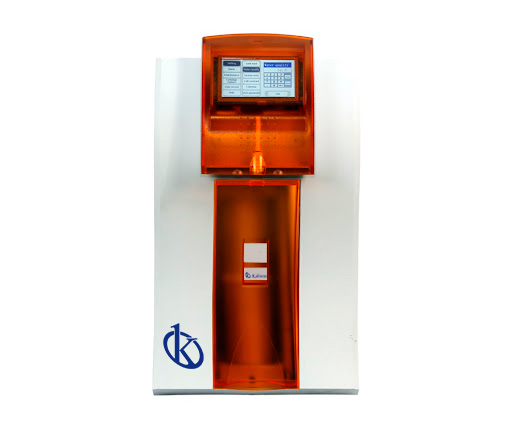
A water deionizing system is a water purification equipment used in laboratories, with direct connection to the network and continuous flow, which performs a water filtration through mixed bed resins by ion exchange. In other words, cation and anion exchange resins are intimately mixed and contained in a single pressure vessel. As a result, the water quality obtained from a mixed bed deionizer is considerably high.
How do I use a conductivity meter?
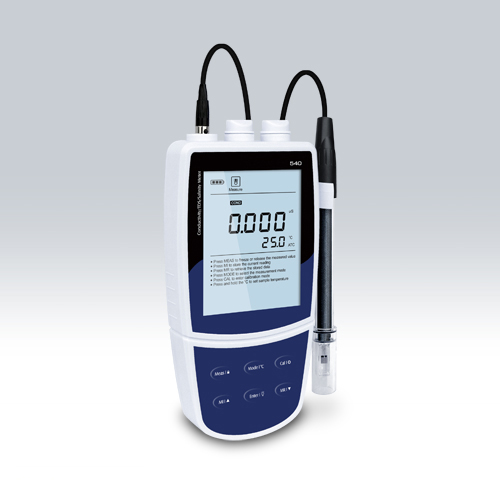
A conductivity meter is a laboratory equipment, which allows measuring the amount of electrical current or conductance of a solution, in other words, allows knowing the conductivity (electrical charge) in water body, parameter of utmost importance in the evaluation of the general health of natural water bodies.
Electrophoresis equipment: What are its types and applications?
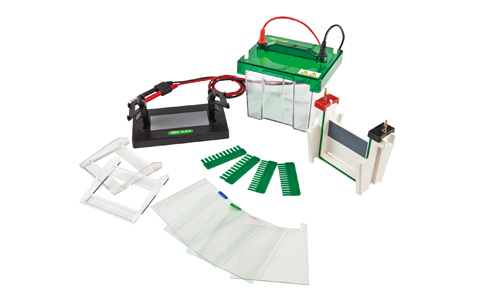
These equipment are used in scientific laboratories where a technique is performed to separate DNA, RNA, molecules and proteins based on their size and electrical charge; it does a process by using a gel that acts as a colander, which by means of a current makes the smaller molecules move faster than the large ones, there are cases where the sample is too large so the scientist chooses to cut into small sizes to make it more manageable and able to penetrate the gel.