
How does a clinical chemistry analyzer work?
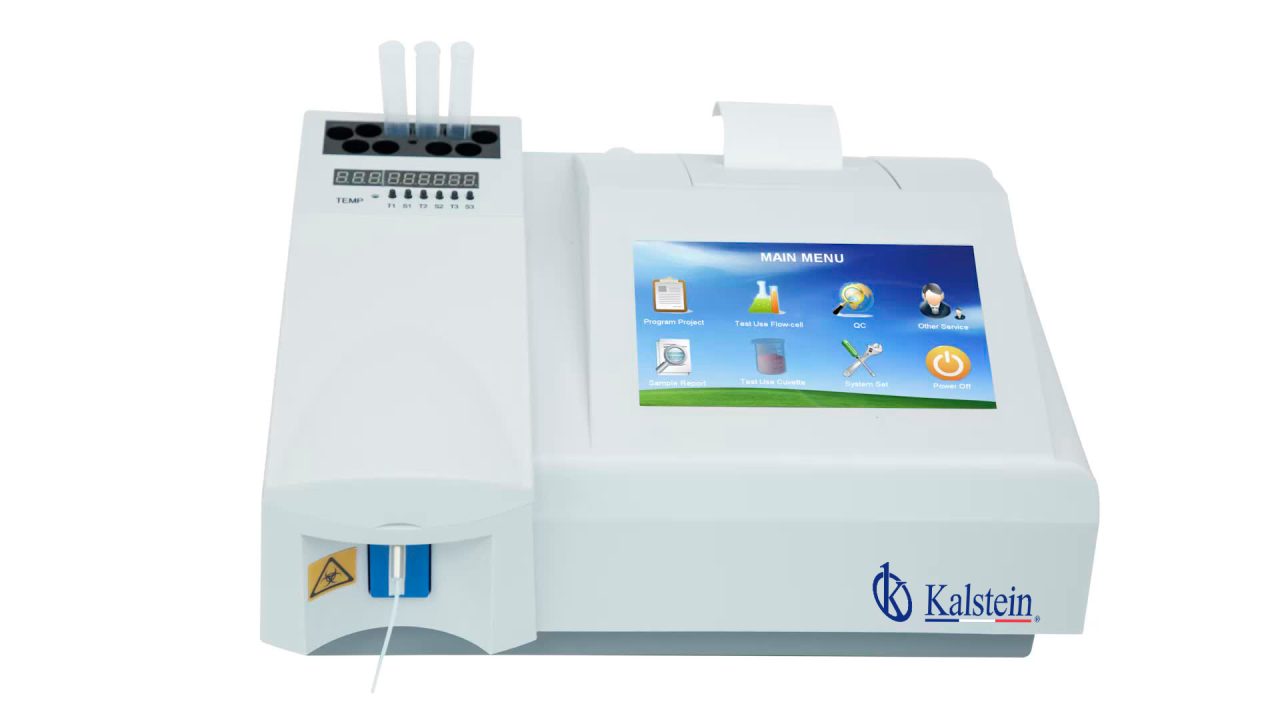
Clinical chemistry analyzers are instruments that test clinical samples such as blood serum, plasma, urine, and cerebrospinal fluid to detect the presence of disease- or drug-related analytes. Clinical chemistry analyzers are used in a variety of settings, including small clinics, research labs, and high-throughput hospital labs.
What is a laboratory Oven for?

The laboratory oven is an instrument used to dry and sterilize glass containers, which come from a laboratory wash. In other words, this cavity chamber, which will have a higher temperature than the ambient temperature, will remove all the moisture from the metal or glass container.
What is a hematocrit centrifuge?
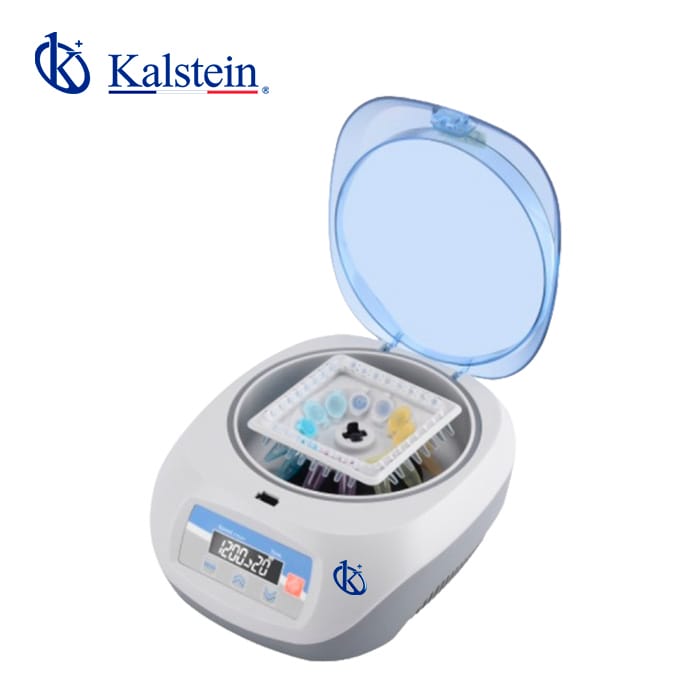
A centrifuge for hematocrit is specialized equipment that allows to obtain the compact ratio of the volume of erythrocytes in the blood. In less than seven minutes, this machine allows the erythrocytes to reach their maximum compaction density, thus knowing their hematocrit level and also having cell-free plasma used later in other analyzes.
What is a centrifuge?
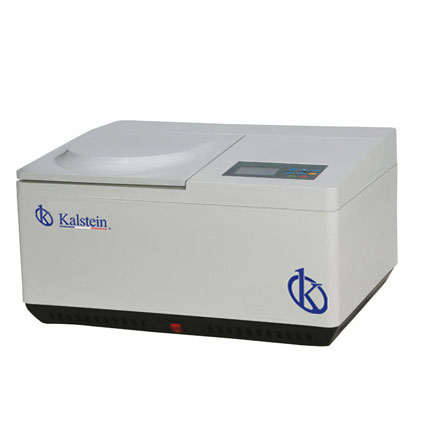
Centrifugation is a mechanism for separating mixtures (in particular, those made up of solids and liquids of different densities) through their exposure to a rotating force of a certain intensity.
The Microscope and its evolution
The first great advances in science and in particular in the biological sciences are due in part to the invention of the optical microscope, when at the end of the seventeenth century Anton van Leeuwenhoek, carving lenses, was able to appreciate the world that due to its small size was impossible see with the naked eye: the microscopic world.
pH meter vs. dissolved oxygen meter

The pH is the unit of measurement that describes the degree of acidity or alkalinity and is measured on a scale ranging from 0 to 14. An approximate indication of pH can be obtained using pH indicators or tapes, which change color depending on the variation of the pH level. But these indicators have limitations in terms of accuracy and can be difficult to interpret correctly in dark or colorful samples.
What is a PCR work cabinet?

The polymerase chain reaction (PCR) is a laboratory technique used to amplify DNA sequences. The method uses short DNA sequences called primers to select the part of the genome to be amplified. The temperature of the sample is raised and lowered repeatedly to help the DNA replication enzyme duplicate the DNA sequence that is being copied.
Refrigerators and Freezers – Vaccine Storage Units
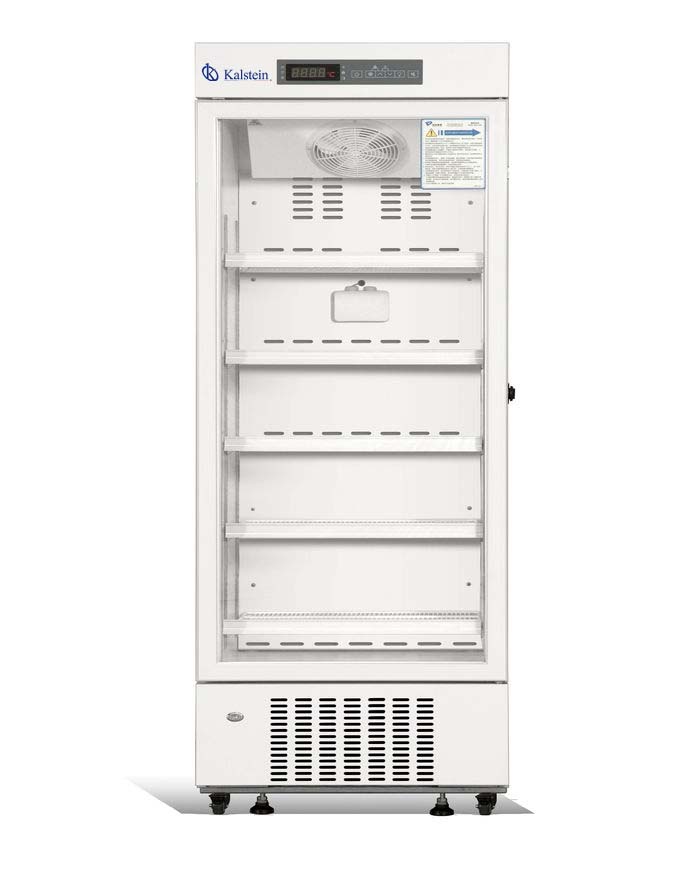
Safe storage of vaccines is a crucial component of protecting patients from disease. If vaccines are not stored properly, the patient’s confidence in the vaccine schedule can be lost.
Hematology analyzer vs. biochemical

A hematology analyzer or hematology analyzer is a device that allows you to perform a complete blood count. In other words, it performs a qualitative and quantitative analysis of red blood cells (erythrocytes), white blood cells (leukocytes), and platelets (thrombocytes).
What is an Autoclave for a dental clinic?
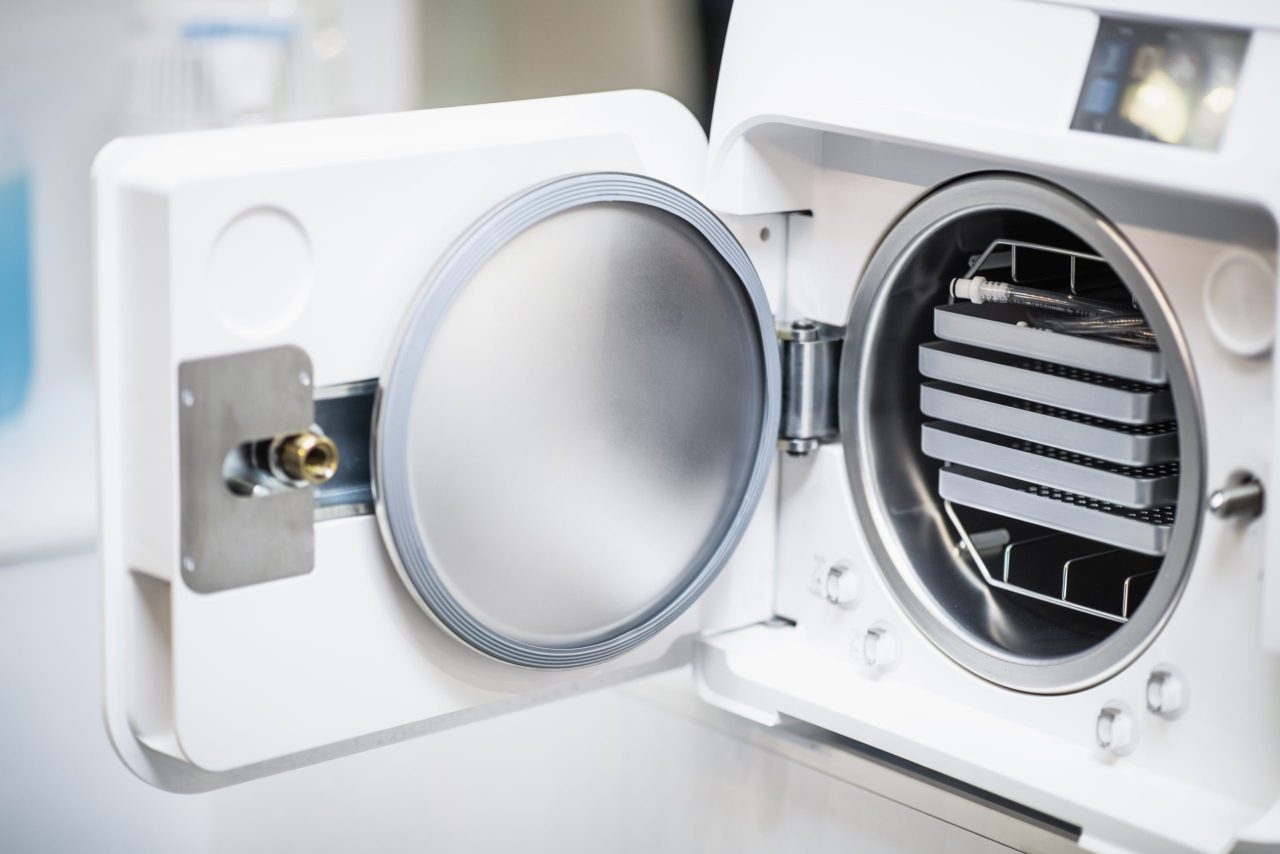
An autoclave is a fundamental piece of equipment to guarantee the safety of patients and professionals in dental clinics through the sterilization of dental instruments. Given its importance in the daily work of dental professionals, it is vital to know what type of autoclave is the best and what aspects should be taken into account when choosing it.