
How does the Transparent Water Bath work in the Lab?
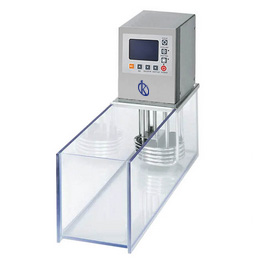
Transparent water bath is a common piece of equipment in many laboratories. It is used for a variety of tasks, including culture incubation, serologic sample testing, and warm-up reagents. The bathroom uses a heating element to maintain a constant temperature, usually between 37 and 60 degrees Celsius. The water is kept circulating by a pump, and the level is maintained by a float switch.
Determination of pH by means of the Colorimeter
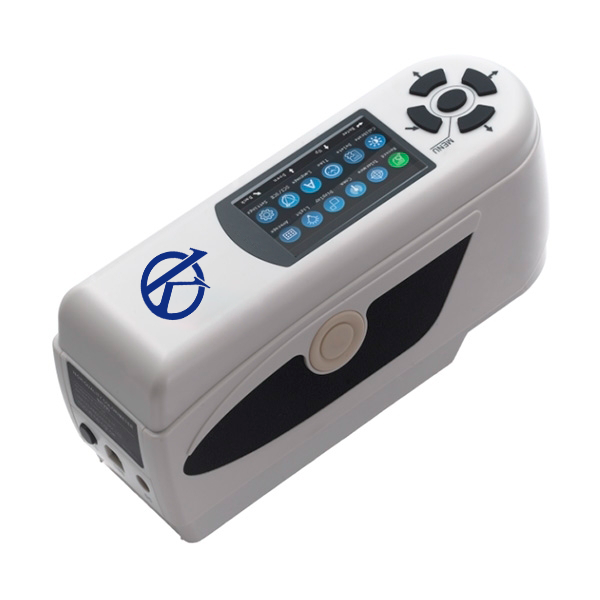
A colorimeter is a device used to measure the pH of a solution. It is based on the fact that the pH of a solution affects the color of the solution. The device measures the color of the solution and, from that measurement, calculates the pH of the solution.
The Colorimeter in the Food Industry
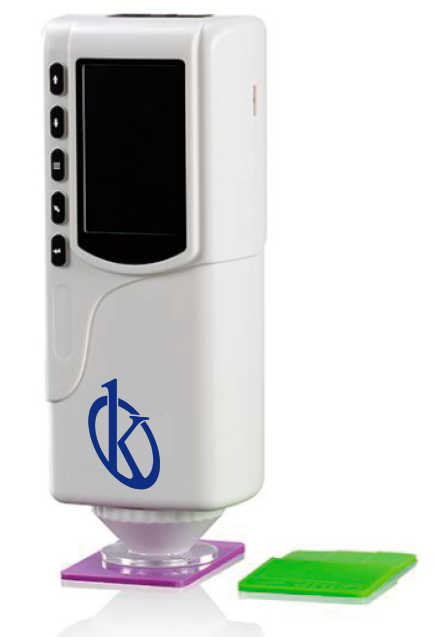
Precision is key when it comes to manufacturing and producing food and drink. Consumers have high expectations regarding the quality of the products they buy, and companies must meet these expectations to maintain a successful business.
Maize Meal Moisture Accuracy Methods

Many industries require the use of moisture analyzers to control and monitor the environment in which their products are manufactured. Humidity is a critical environmental factor in many areas of manufacturing, as it can affect the quality of the final product.
Methods of Moisture Analysis in Ethyl Alcohol Distillation
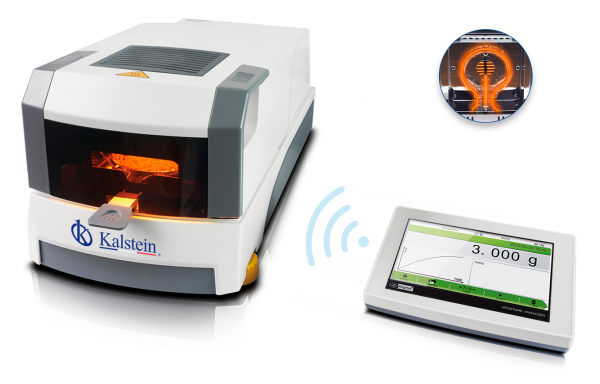
The distillation of ethyl alcohol is a very important process in the liquor industry. Ethyl alcohol is the main component of liqueurs, and is produced from the fermentation of sugars. It also allows to separate alcohol from other compounds present in the liquid since it must be purified before use.
Diagnosis of Cancer in Women with the Microplate Reader
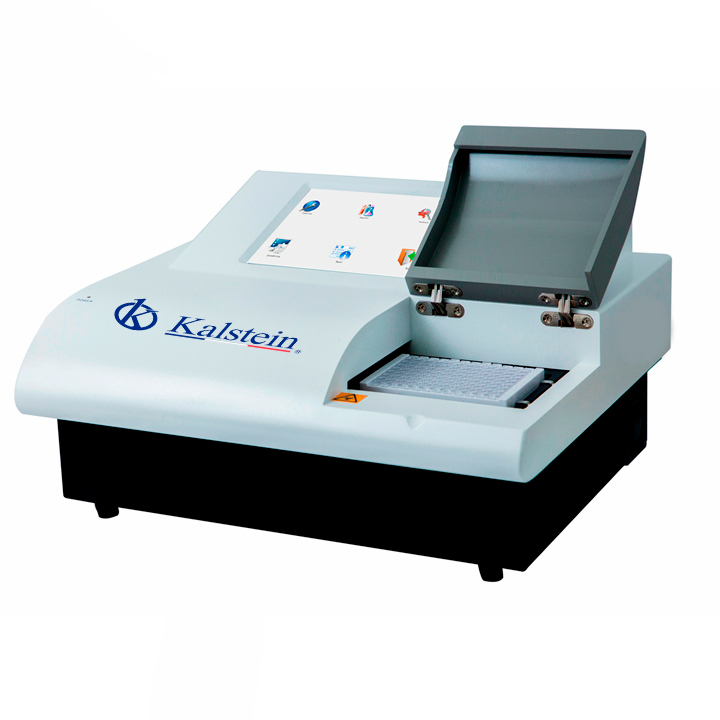
The microplate reader is a laboratory equipment developed for the quantification of proteins and nucleic acids through cell images. It is based on filtration of proteins deposited in wells of a plastic plate adjusted to aid in absorption and bind antibodies.
Detecting COVID-19 using the Microplate Reader

COVID-19 is an infectious viral disease caused by the virus known as SARS-CoV-2. It is characterized by fever, cough, shortness of breath, muscle pain and fatigue, however, sometimes in which the disease becomes severe, can cause pneumonia, sepsis, respiratory distress syndrome or circulatory shock. People can be infected when an infected individual emits microdrops of fluids by talking, sneezing, breathing, or coughing.
What technology does an ELISA microplate reader use?
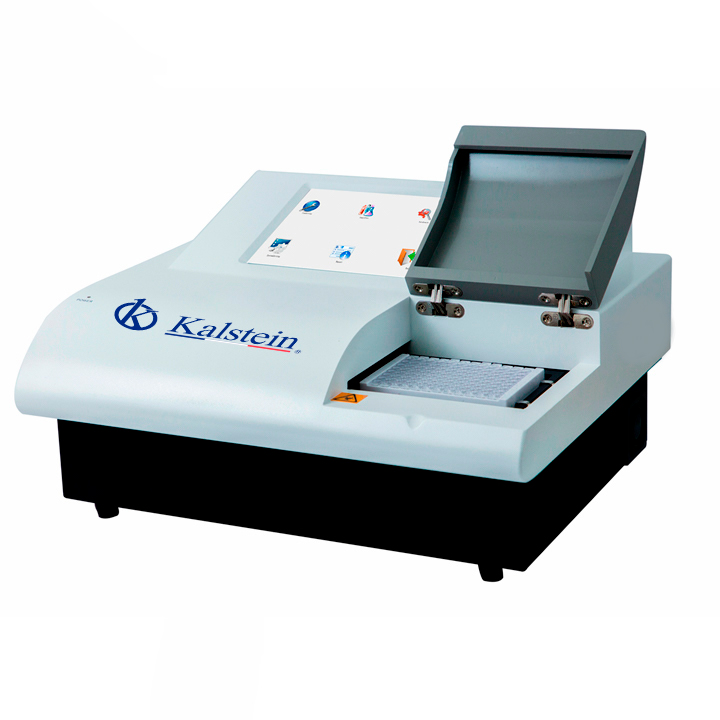
An ELISA microplate reader is a laboratory instrument that is responsible for detecting and processing biological and chemical data by absorbance (ELISA, enzymatic activity and quantification of nucleic acids and proteins), luminescence and fluorescence detection modes, including intensity, TRF and polarization according to the model. They are useful laboratory tools used in drug discovery, research, immunologic testing, hormone detection, bioassay validation, and biopharmaceutical manufacturing.
Using the Microplate Reader for HIV Testing
In health companies, they perform laboratory practices with appropriate equipment for the detection of the Human Immunodeficiency Virus or well known as HIV, using special techniques such as ELISA or by its acronym in English Enzyme-Linked ImmunoSorbent Assay, or Assay for Enzyme-Linked Immunoabsorption.
Copper Ion Meters for Pool Disinfection
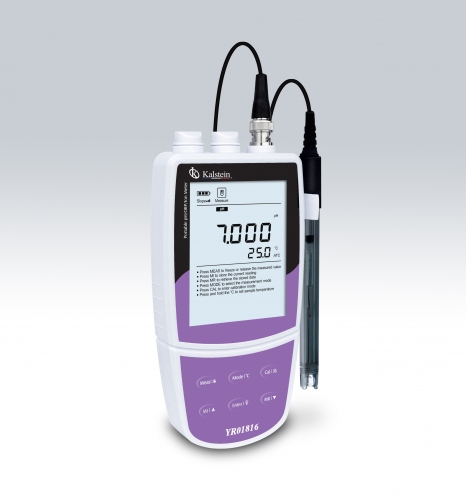
In recent years the use of chlorine for swimming pool disinfection has been replaced by ionization with copper or with the combination of copper and silver. This procedure is performed with copper ionizers. These devices use electrolysis to release copper ions into pool water, via an anode or electrode that is usually connected to the pipe that supplies water to the pool. These devices can be powered by a power supply or use solar panels to generate electricity.