
Characteristics and maintenance of a Moisture Analyzer?
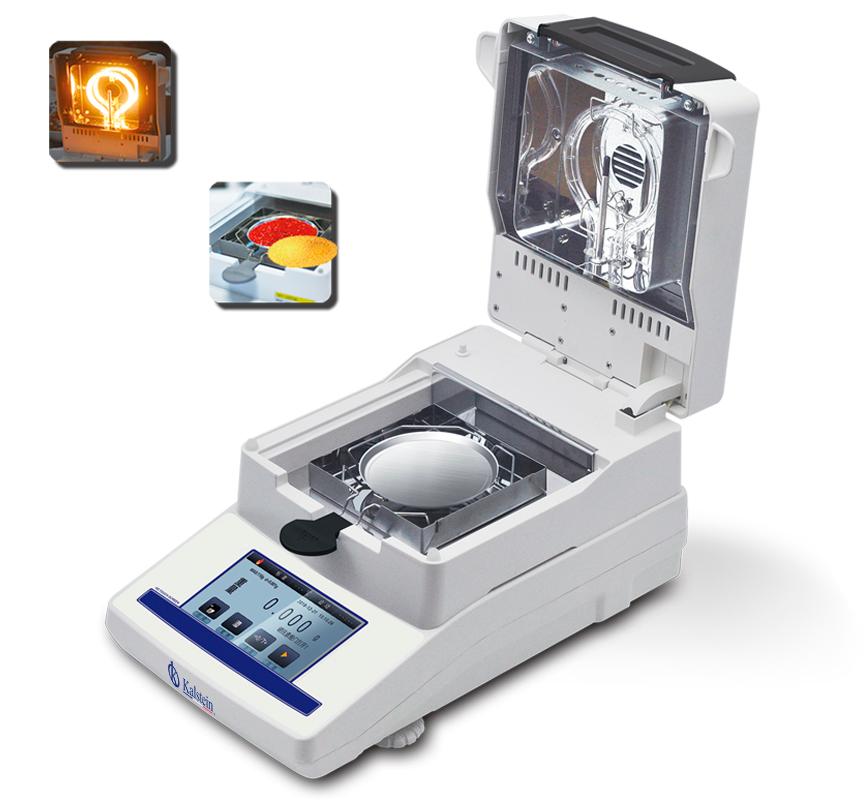
During the practice of moisture analyzers, it is of great importance, the functions according to the heating efficiency…
Determination of moisture content for the manufacture of medicinal products
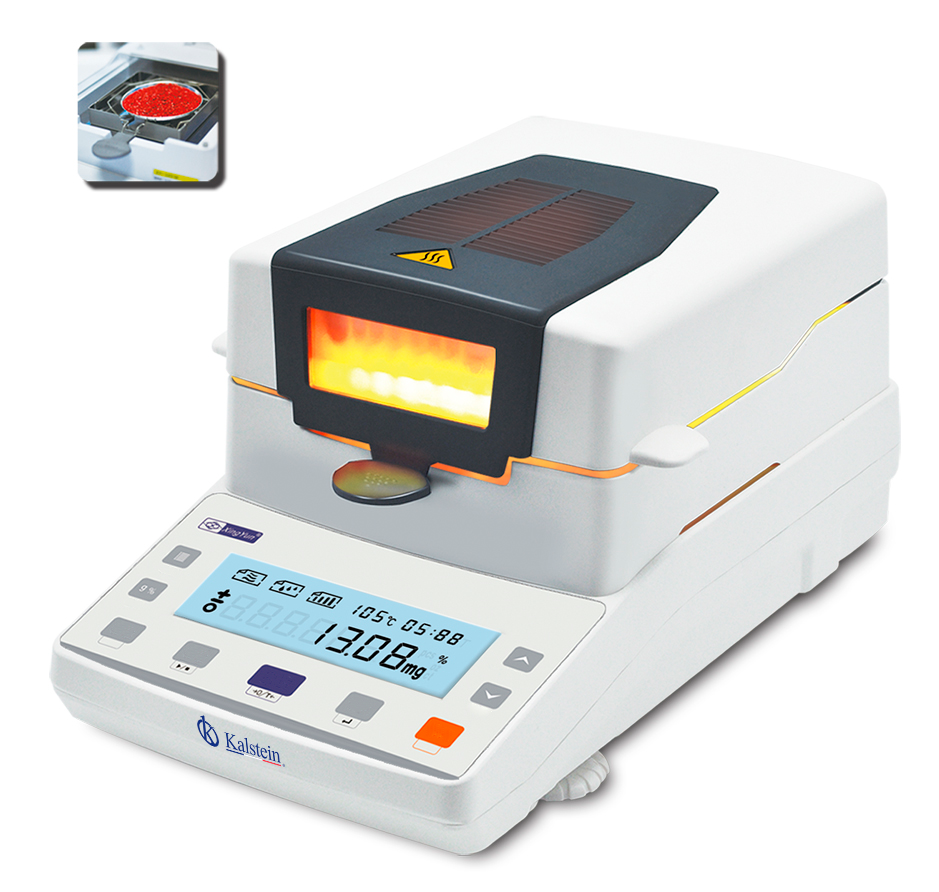
The analysis of the quantities of water in the substances, to determine the moisture levels are necessary tests for registration and quality control test in the manufacture of the products. And moisture analyzers are the ideal laboratory equipment for such purposes, as they demonstrate precision and stability through drying mechanisms, providing answers to manufacturers.
How to measure the moisture content in food to evaluate the quality of the product?

Humidity analyzers are laboratory equipment designed to accurately determine the saturation levels of samples and study the processing capacity of moisture contents, the shelf life, usability and product quality. It also ensures readiness in industrial sectors, such as the food sector.
Halogen Moisture Analyser for Cosmetic Products
Halogen analyzers are laboratory equipment that determine the amounts of water in the samples of all organic matter, allowing to measure the weight while applying halogen heat when subjected to these processes. However, for cosmetics processing, the equipment allows to carry out measures that respond to safety in operations and product quality.
What Is The Function Of A Moisture Analyser?
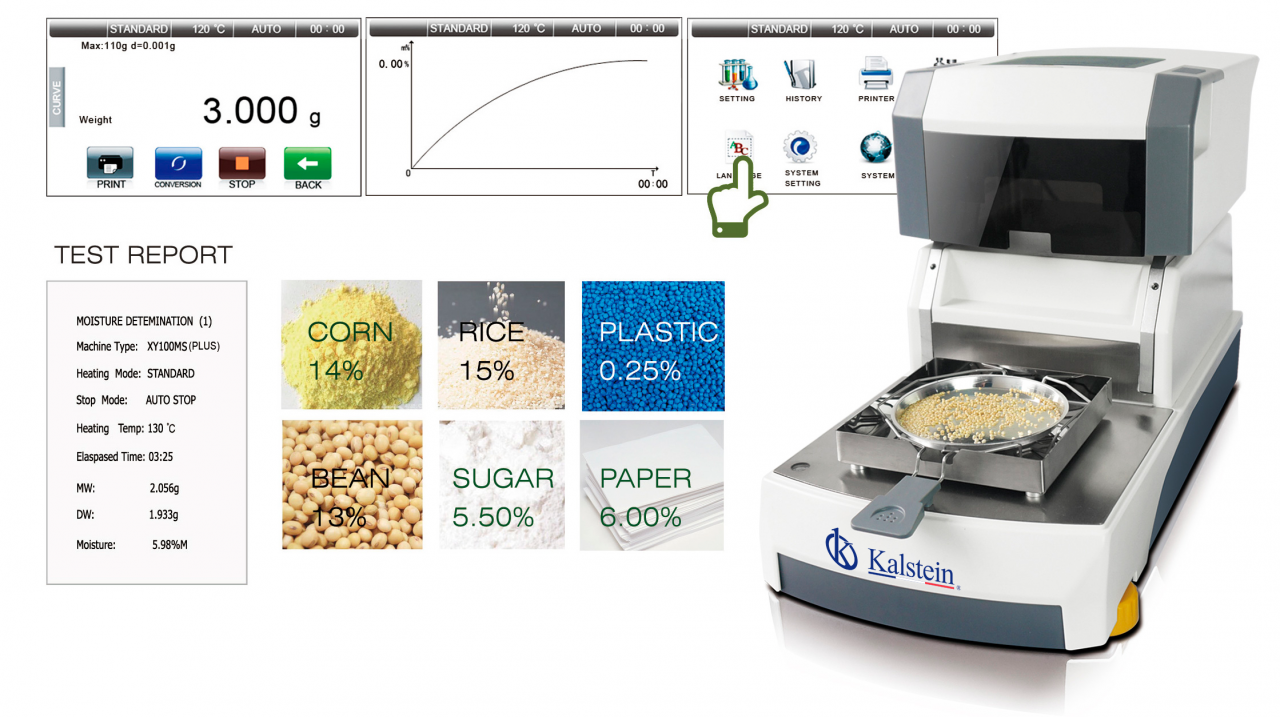
The moisture analyser basically works through integral devices, using special modules that calculate the weighing and heating, where the operator accurately determines the mass of any sample, and subject it to the drying process.
Polymerase Chain Reaction Functions for COVID-19 Detection
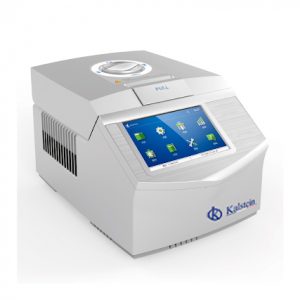
The Polymerase Chain Reaction (PCR) is a laboratory test that aids in the reproduction or amplification of billions of copies of a specific DNA segment, so that it can be studied in detail. PCR uses short pieces of synthetic DNA, called primers, to choose a segment of the genome that will reproduce (amplify) and then use multiple sessions of DNA synthesis to amplify that segment.
Benefits of PCR to detect Monkeypox
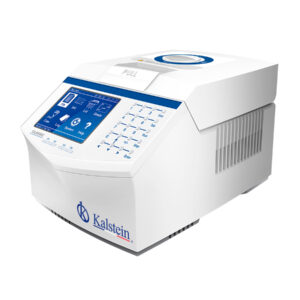
Monkeypox, or seismic smallpox, is a viral disease where a person has symptoms of fatigue, fever, muscle aches and rash in the body. This virus, originated by Orthopoxvirus, has similarity with traditional smallpox, however, it is considered less severe. Monkeypox, as its name suggests, is related to them, but these animals are not the only carriers of the virus, according to studies, so are rodents.
What are the safety protocols for dental sterilization with the use of the Gas Autoclave?

In the field of health, sterilization is a process that eliminates all living organisms, including bacteria, viruses, fungi and protozoa. It is considered the most effective method of preventing disease transmission. There are several methods of sterilization, but the gas autoclave is one of the most used in dental sterilization.
Benefits of Gas Autoclave for Sterilization of Dental Instruments
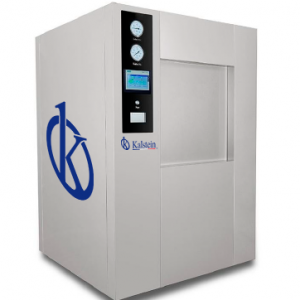
The gas autoclave is a machine used for the sterilization of dental instruments. This type of autoclave has a number of advantages over conventional ones. First of all, it is more energy efficient, this is because heat is produced faster. Thus, it takes less time to heat water and thus saves energy.
What is a power source for electrophoresis?

A power source for electrophoresis is a device that manages the current in a constant and direct way to the electrophoresis system, as well as indicates and controls both the supply voltage and the current consumption. In other words, this equipment supplies the energy necessary for this system to function properly; and this delicate laboratory technique can be carried out.