
Hematology analyzers and biochemistry analyzers: what are the differences?
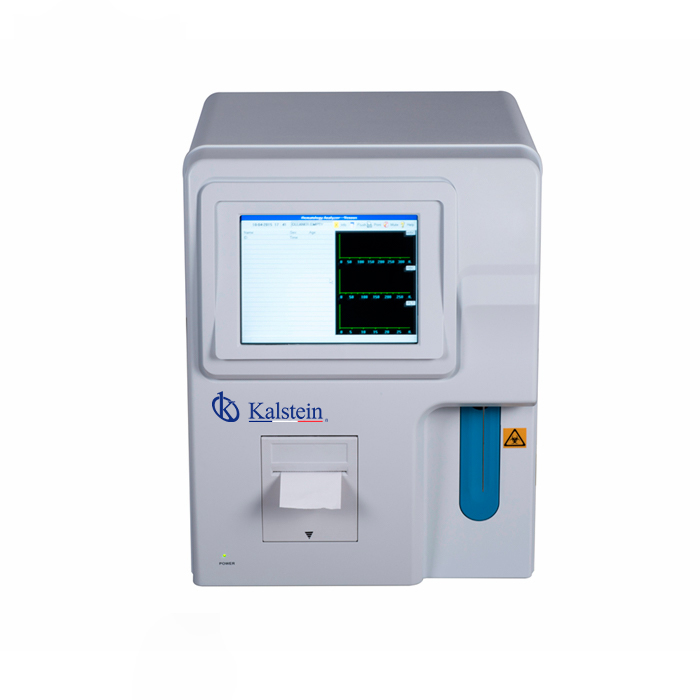
The differences between these teams are mainly focused on their applications, being hematology analyzers devices used for tests involving complete blood counts or blood counts, providing a quantitative and qualitative analysis of blood elements; for biochemical analyzers are used to determine metabolites that are present in biological samples, they can be blood or urine.
Thermocycler: How many types are there?

The thermocycler is a laboratory molecular biology team that allows the polymerase chain reaction (PCR) efficiently and quickly, by performing automatic and cyclic temperature changes required for the amplification of a deoxyribonucleic acid (DNA) chain, from a thermostable enzyme. The PCR technique allows a small amount of DNA molecules to be amplified many times, exponentially.
Turbidimeter or turbidity meter. How should it be used?
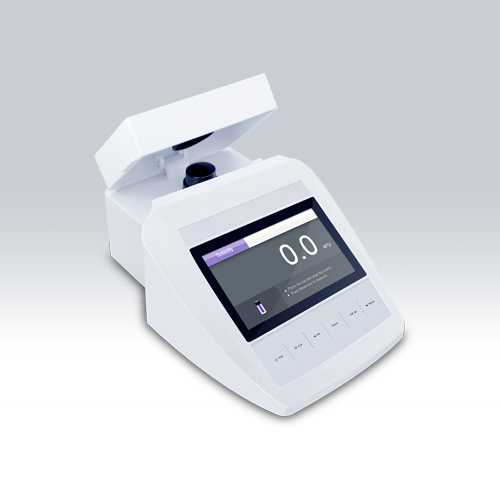
A turbidimeter is a device that allows evaluating how cloudy a liquid is, that is, it determines the turbidity. It does this through an optical analysis that allows it to measure the particles in suspension in a dissolved gas or in a liquid. For which it uses a light source and a light detector (a photocell) set at right angles to the original beam.
Infusion pumps: what are they and what are they used for?
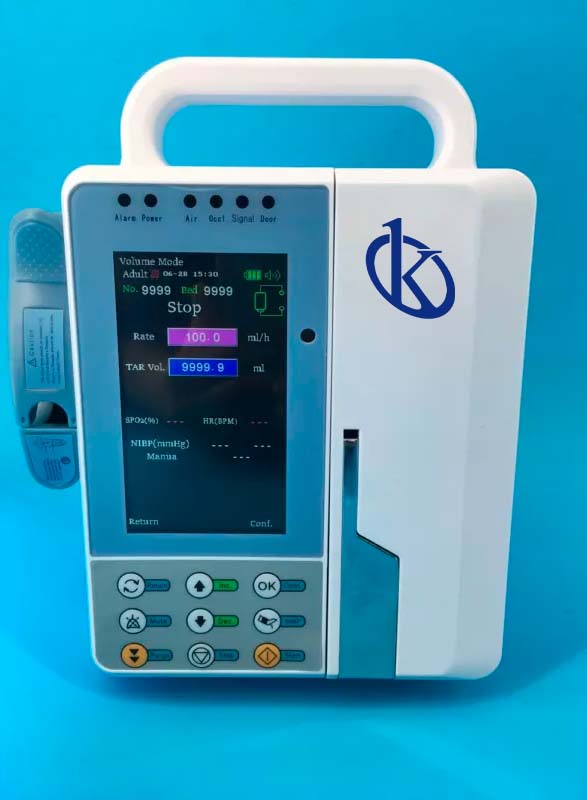
These medical equipment are the precise solution to fluid administration in the patient, since the infusion pumps were introduced in hospitals and clinics, precision errors have been reduced avoiding delays in patient recovery or possible complications that may arise in the administration of treatment to the patient; in addition to allowing the nurse to perform other activities because she should no longer be constantly monitoring the administration of fluids.
Laboratory Shaker: What are its uses and importance?
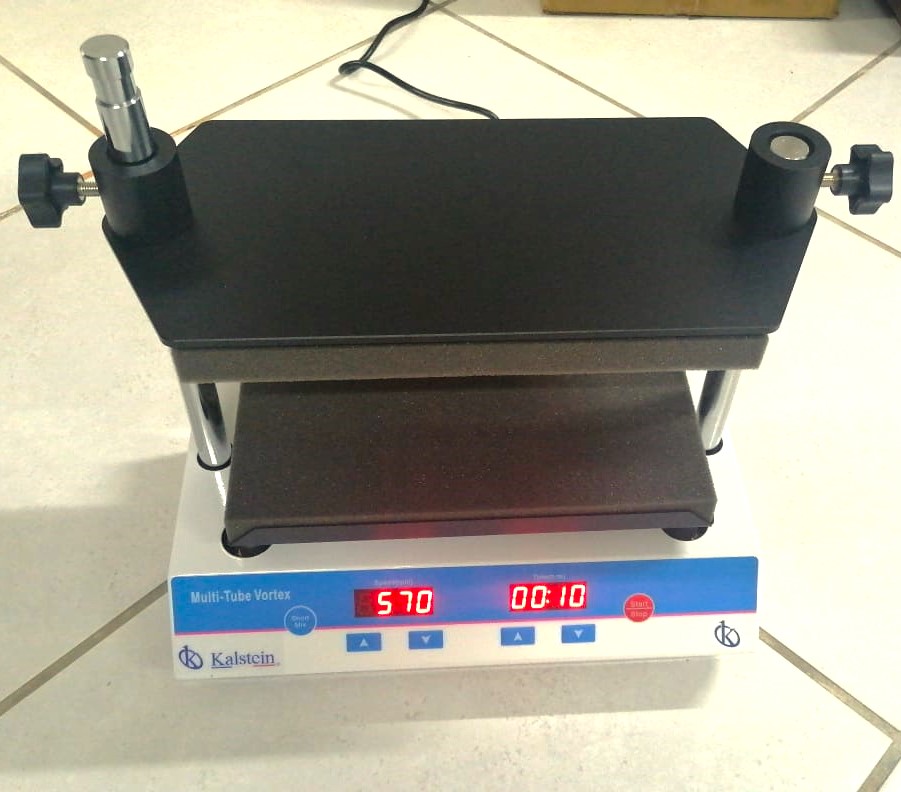
An agitator is an instrument for use by laboratories mostly of chemistry and biology, it is used to mix solutions or preparations, suspensions, these liquids that are going to make mixed or agitated are placed in vessels, tubes or flasks, since its beginnings the manual agitator fulfilled the function of mixing liquids, with technological advances the agitator systems are used in all scientific laboratories, industrial, chemistry, biology, among others.
What are the different types of children’s heaters?
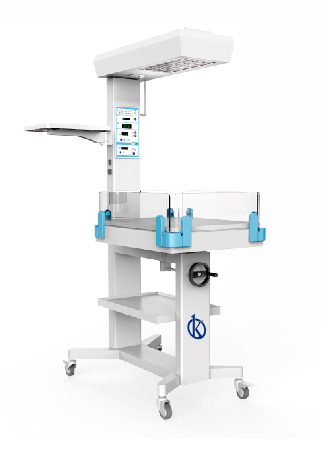
Childhood heaters are medical equipment designed to provide constant heat to low-weight newborns who have thermoregulation problems or who need constant interventions by medical staff, as their purpose is to maintain a temperature-controlled environment to help newborns maintain their body temperature.
Laboratory biosecurity cabinets: When should they be used?

Biological safety Cabinets are laboratory equipment that acts as ventilated enclosures designed to protect the operator, laboratory atmosphere and working materials from exposure to infectious spatter or aerosols that may be generated by handling material containing infectious agents. This means that laboratory equipment must be used when working with certain microorganisms, cytotoxic products or products that cause allergic reactions.
Importance of pHmeter in a laboratory

A pH meter is one of the most used equipment in a laboratory. It is used to measure the acidity or alkalinity of a solution and the information it provides expresses the degree of acidity of an acid or base in terms of the activity of hydrogen ions, so through the use of this equipment we can know the type of substance we are analyzing, as well as the type of treatment that should be given to it.
Importance of a Fluorometer in a Laboratory

To establish the importance of the equipment that is part of a laboratory and is indispensable, we must take into account its applications and usefulness within it; in the case of fluorometers, this apparatus allows the measurement of fluorescence parameters: its intensity and the distribution of wavelengths of the emission spectrum after excitation by a certain light spectrum.
What is CO2 emission and the greenhouse effect?

CO2 is a colorless, odorless gas composed of oxygen and carbon. Excessive emissions of this gas today are a major cause of global warming.