
Turbidimeter: What are its parts?
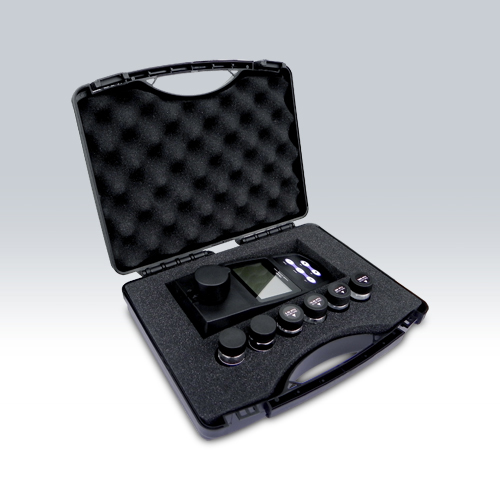
A turbidimeter is a device used to measure the turbidity of a liquid. This instrument is capable of measuring the size and concentration of particles in a suspension by diffusing light in a tube. That is, a turbidimeter determines how cloudy a liquid is. This equipment consists of a light source, a cell to contain the sample and a light detector (photocell).
How does a laboratory centrifuge work?

A centrifuge is a piece of equipment that separates particles from a homogeneous solution through rotational movement and centrifugal acceleration, causing sedimentation of its components.
What is a laboratory water deionizer?
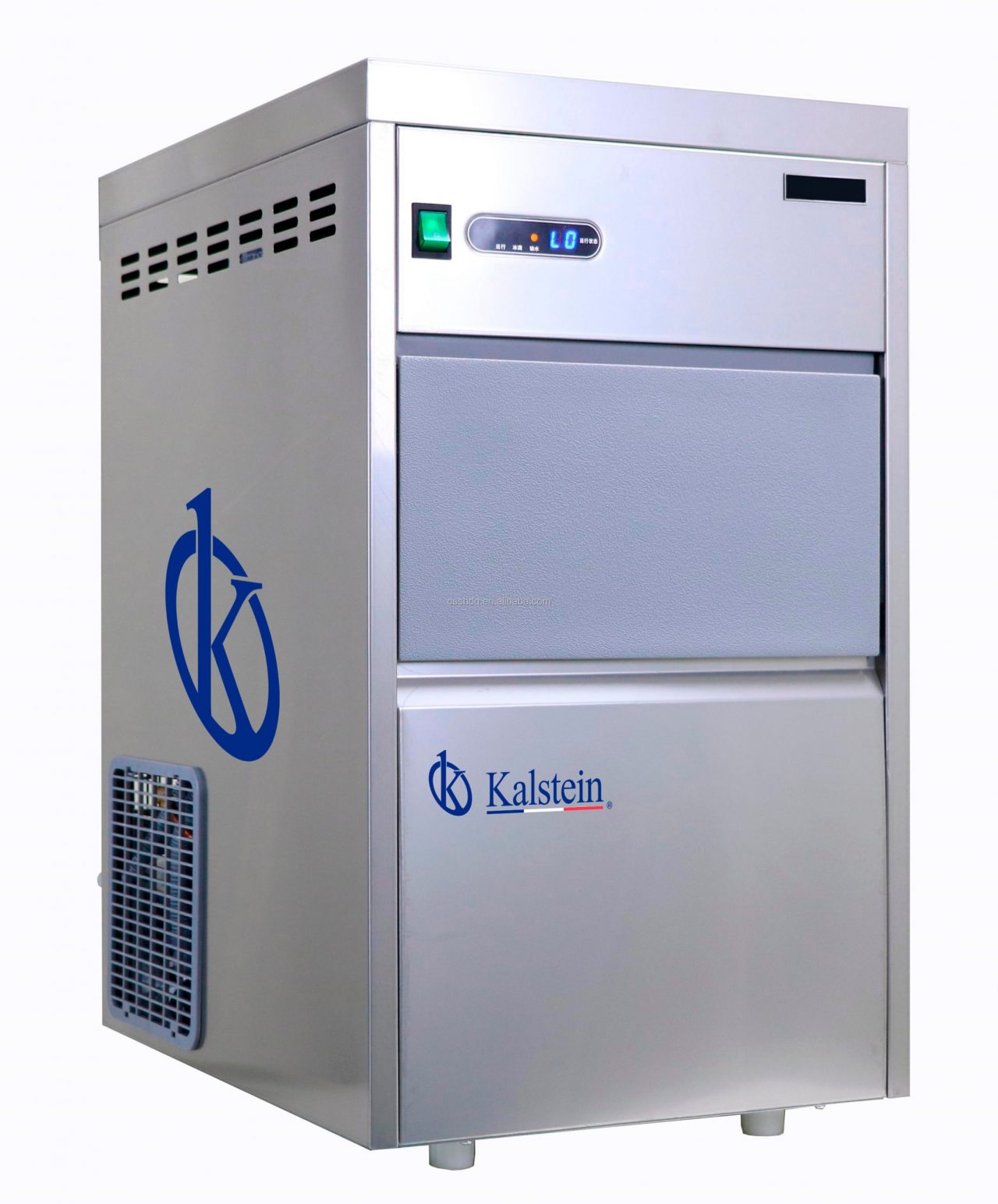
A water deionizer is a water purification equipment, with direct connection to the network and continuous flow, which performs a filtration of water through mixed bed resins by ion exchange. That is, the cation and anion exchange resins are intimately mixed and contained in a single pressure vessel. Resulting in that the quality of the water obtained from a mixed bed deionizer is appreciably high.
Autoclaves: steam generator
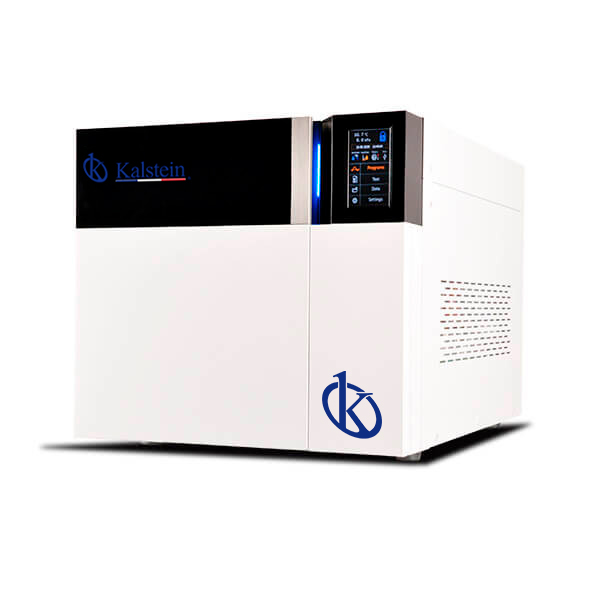
Sterilization is carried out mainly through autoclaves, which work with steam at high temperature, for this they require steam generators, which in turn work with water demineralized by reverse osmosis to produce said steam.
Vortex: is it a mixer, shaker or agitator?
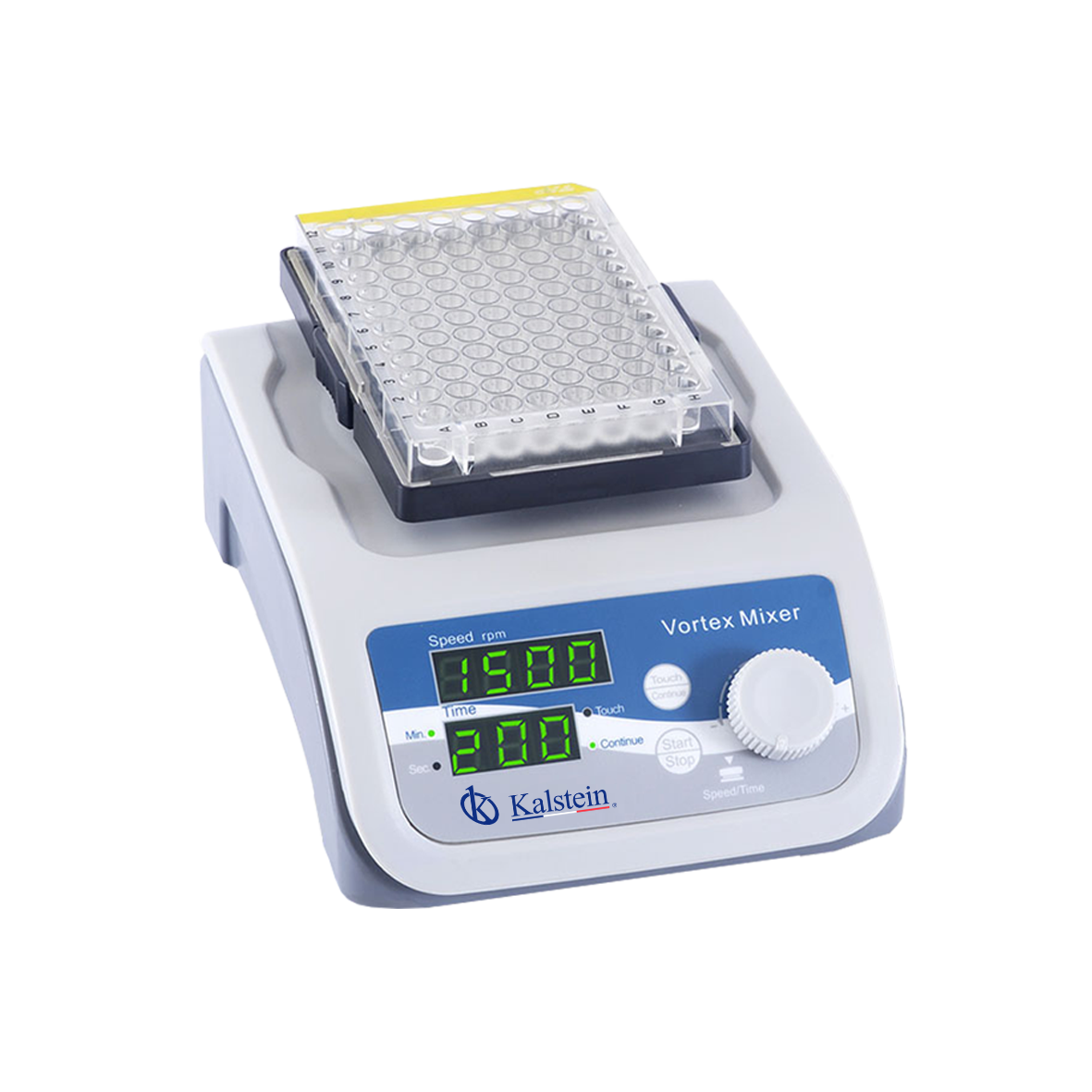
Un vórtex es un tipo de agitador también llamado mezclador de vórtice, éste es un dispositivo simple que se usa comúnmente en los laboratorios para agitar pequeños tubos o frascos de líquido. Se compone de un motor eléctrico con el eje de transmisión orientado verticalmente y unido a un trozo de goma o caucho montado en forma de copa, ligeramente excéntrico.
Electrophoresis Run Power Sources
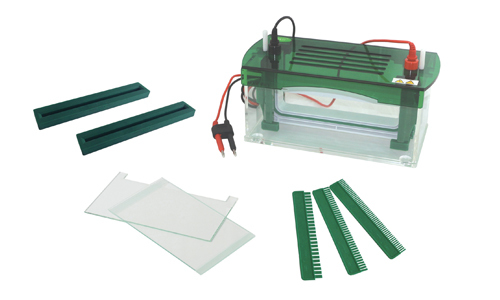
Electrophoresis in agarose or polyacrylamide gels is one of the methodologies most used in the laboratory in everything related to working with nucleic acids. The principle of electrophoresis consists in the migration of the molecules through a gel or another type of matrix of porous nature, in which, by the action of an electric field, they will be separated according to their size or molecular weight, this is achieved thanks to the action of a power source for electrophoresis, key equipment for the proper execution of this technique.
Refractometer: What do they measure?
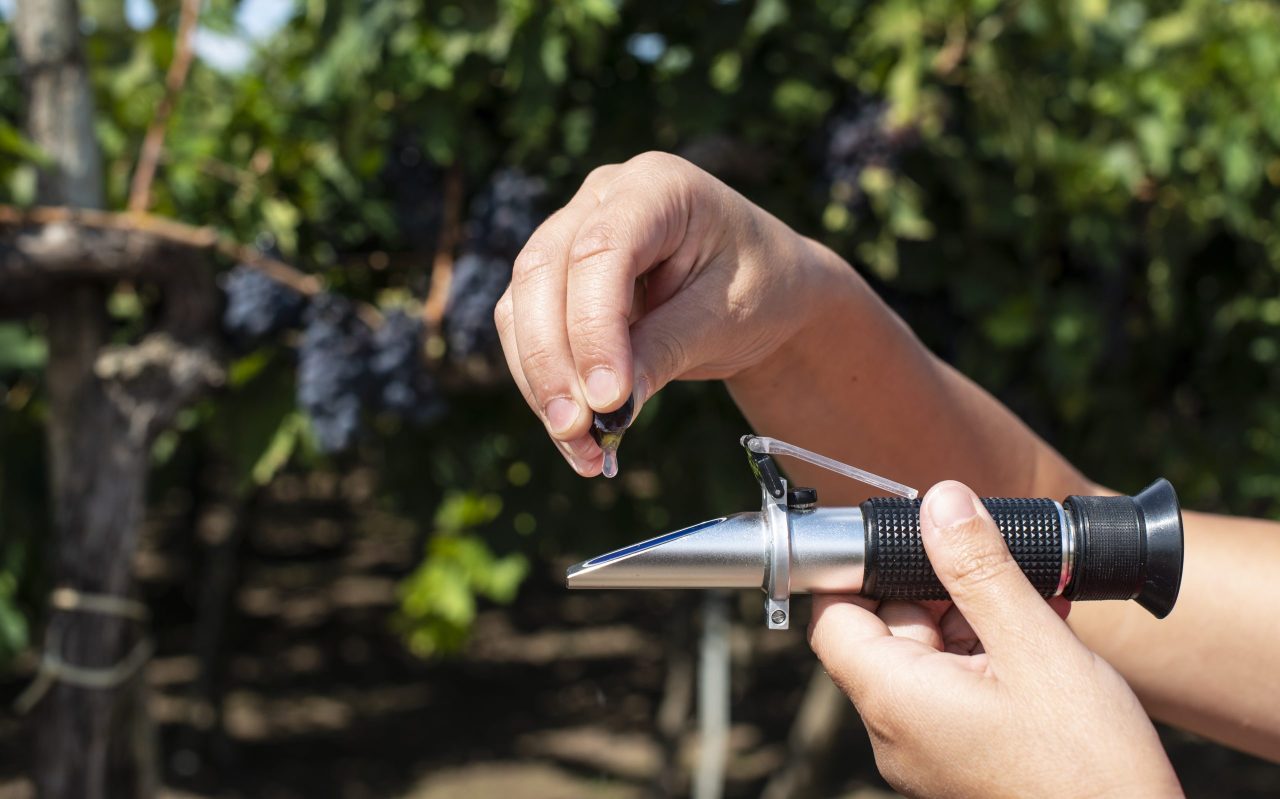
The refractometer is an optical device that serves to measure the percentage of soluble solids in a liquid solution, this instrument uses the physical principle of total refraction of light, which originates from the concentration and type of substance dissolved in a liquid solution.
Ice maker: capacities
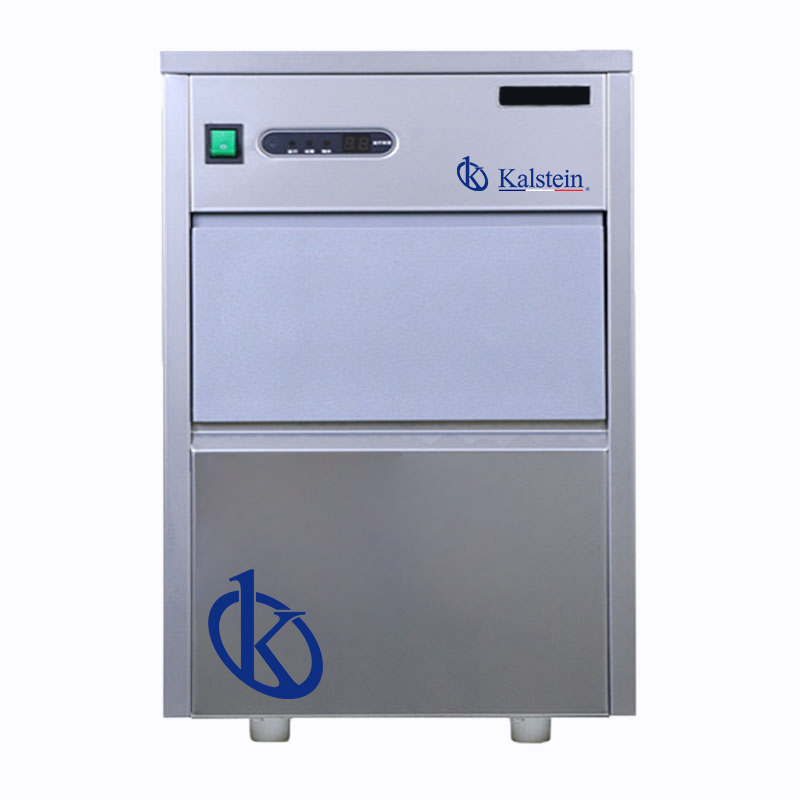
An ice maker is a device where water is poured into a tray that has a specific format to shape the ice that you want to create.
The tray freezes slowly and gradually in layers until the water freezes completely and creates the ice cubes. Once the correct temperature is reached, the tray heats up enough to allow the cubes to separate. The cubes are deposited in the storage tank.
Electrophoresis Power Source

Electrophoresis is a basic method in the field of molecular biology for the analysis (separation, purification, preparation) of nucleic acids and proteins. The principle of electrophoresis consists in the migration of the molecules through a gel or another type of matrix of a porous nature, in which, by the action of an electric field, they will be separated according to their size or molecular weight, this is achieved thanks to the action of a power source for electrophoresis.
Electrophoresis: what are the necessary reagents?
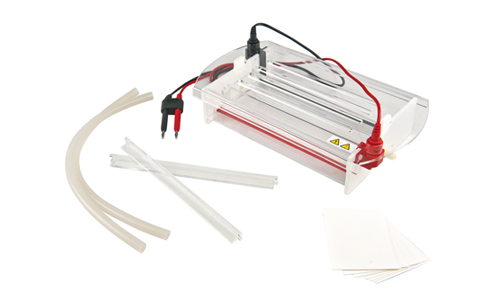
Electrophoresis is an analytical technique in which a controlled electric current is used in order to separate biomolecules according to their size to electric charge ratio, using a gelatinous matrix as a base.